Apr 23, 2026
Achieving perfect cylinder rolling with a hydraulic plate rolling machine comes down to three core factors: correct material pre-bending, precise roller gap calibration, and consistent feed pressure throughout the rolling pass. When these are properly managed, a steel plate rolling machine can produce cylinders with roundness tolerances within ±0.5 mm — even on plates exceeding 50 mm in thickness. This article walks through the practical steps, key parameters, and common pitfalls to help operators and engineers get the best results from any plate rolling machine.
Content
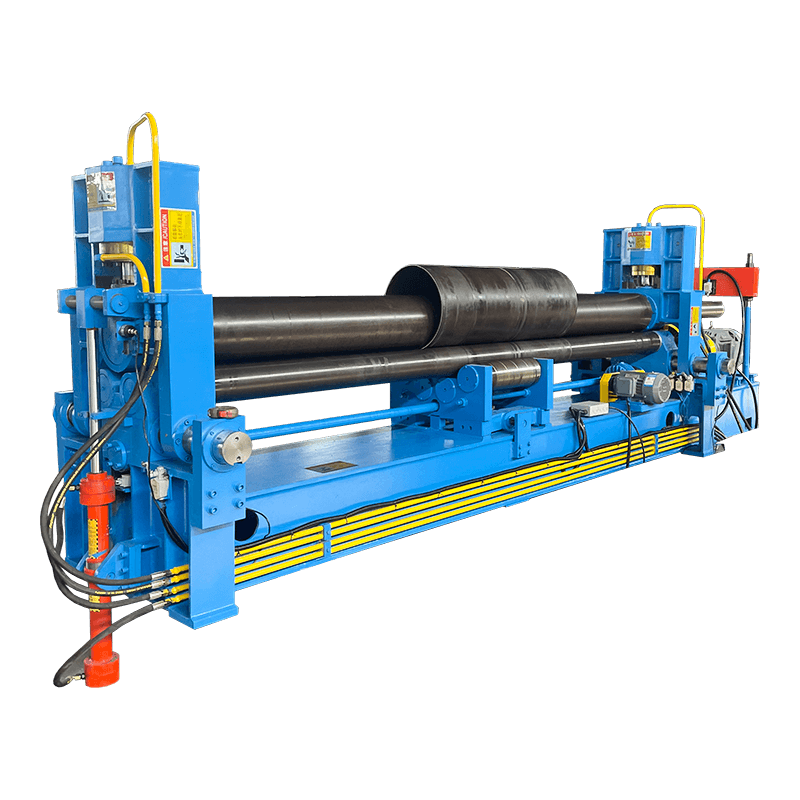
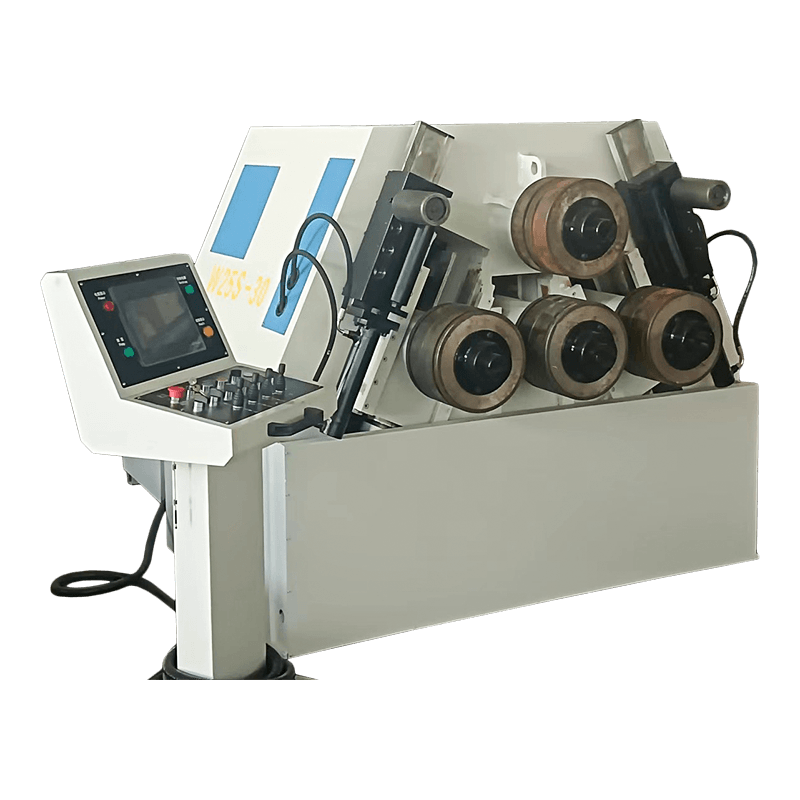
A hydraulic plate rolling machine uses two or more rollers driven by hydraulic cylinders to plastically deform metal plates into curved or cylindrical shapes. The hydraulic system provides controlled, adjustable pressure — typically ranging from 50 to 350 bar depending on machine capacity — allowing operators to work with a wide range of materials including carbon steel, stainless steel, aluminum, and copper alloys.
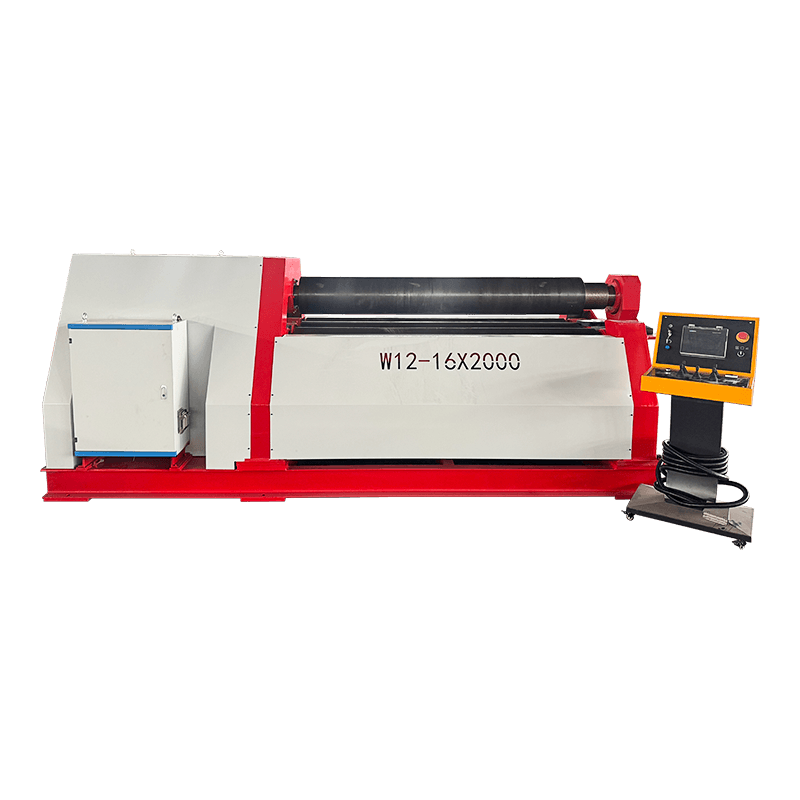
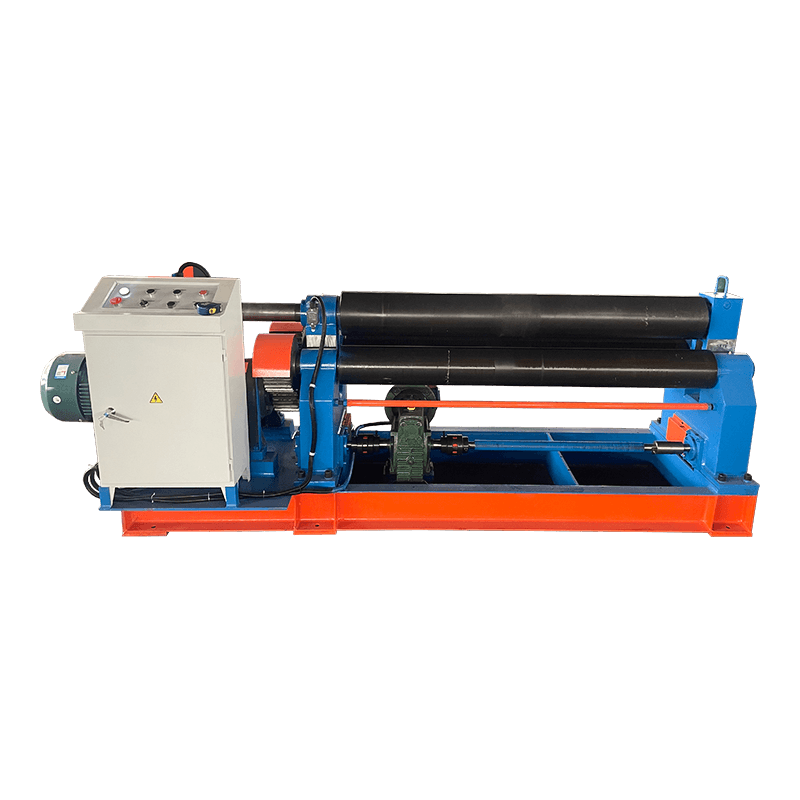
Three-roll and four-roll configurations are the most common. Four-roll machines offer a significant advantage: they can pre-bend both ends of a plate in a single setup, eliminating the flat-end problem that is common in three-roll designs. For precision cylinder production, four-roll hydraulic machines are generally preferred.
| Feature | 3-Roll Hydraulic | 4-Roll Hydraulic |
|---|---|---|
| Pre-bending Capability | Requires manual re-positioning | Both ends in one setup |
| Setup Speed | Moderate | Fast |
| Roundness Accuracy | ±1.0–2.0 mm typical | ±0.3–0.8 mm typical |
| Flat End Length | 1.5–2× plate thickness | Minimized to near zero |
| Best Application | General fabrication | Precision pressure vessels, pipes |
Perfect cylinder rolling is a result of controlling several interdependent variables. Overlooking even one can result in oval shapes, surface scoring, or spring-back deviations that require costly rework.
The gap between the top and bottom rollers must be calibrated to match the plate thickness precisely. A gap that is too tight increases the risk of surface marking and motor overload; too loose and the plate will not deform sufficiently. As a general rule, set the roller gap to 90–95% of the nominal plate thickness for the initial pass, then reduce progressively.
All metals spring back after plastic deformation. For mild steel (yield strength ~250 MPa), expect 3–8% spring-back on the diameter. High-strength steels (yield strength 550+ MPa) can spring back by 10–15%. The standard practice is to over-bend the cylinder to a diameter slightly smaller than the target, then allow it to spring back to the desired dimension. CNC-controlled hydraulic plate rolling machines with real-time feedback loops can automate this compensation.
Slower feed speeds allow more uniform deformation across the plate width. For thick plates (above 30 mm), using 3 to 5 progressive passes rather than a single aggressive pass significantly improves roundness and reduces surface stress. Each pass should reduce the bending radius by a controlled increment — typically no more than 15% of the previous radius.
Different materials behave differently on a steel plate rolling machine. The chart below illustrates typical minimum bending radius as a multiple of plate thickness for common materials used with hydraulic plate rolling machines.
Minimum Bending Radius (× Plate Thickness) by Material
Higher multiplier = harder to bend; requires more roller passes and greater hydraulic pressure
Even experienced operators encounter defects on hydraulic plate rolling machines. Recognizing the root cause quickly prevents wasted material and downtime.
Cause: Inconsistent roller pressure during the pass, or the plate was not centered properly at the start. Fix: Re-roll with a fresh template check at both ends and center. For persistent ovality, reduce feed speed by 30% and increase the number of passes.
Cause: The side rollers are not parallel, or the plate entered the machine at an angle. Fix: Realign the plate using square references before feeding. Check roller parallelism with a precision level — acceptable deviation is less than 0.1 mm per meter of roller length.
Cause: Foreign material on the roller surface, or excessive contact pressure causing metal adhesion. Fix: Clean and inspect rollers before every production run. For stainless steel or polished surfaces, use protective film (typically 0.1–0.2 mm polyethylene) between the roller and the workpiece.
Cause: Insufficient pre-bending before the main rolling pass. This is one of the most frequent issues on three-roll machines. Fix: Always perform a dedicated pre-bending step. For three-roll machines, flip the plate and repeat. For four-roll machines, use the side roller pre-bend function built into the machine cycle.
Modern hydraulic plate rolling machines are increasingly available with CNC control systems that automate roller positioning, pressure adjustment, and spring-back compensation. The efficiency gains are significant, especially for repeat production runs.
Setup Time Comparison: CNC vs. Manual (Minutes per Job)
CNC Hydraulic (First Part)
~15 min
Manual Hydraulic (First Part)
~40 min
CNC Hydraulic (Repeat Part, Saved Program)
~3 min
Manual Hydraulic (Repeat Part)
~30 min
Estimated setup times based on 20 mm mild steel plate, 1000 mm diameter target cylinder
For shops that produce varied, low-volume jobs, a well-maintained manual plate rolling machine remains cost-effective. For high-volume cylinder production or work requiring repeatable tolerances within ±0.5 mm, CNC hydraulic systems pay back their investment through reduced scrap and faster cycle times.
A hydraulic plate rolling machine that is poorly maintained will deliver inconsistent results regardless of operator skill. The following maintenance intervals are recommended as a baseline:
Roller crowning — a slight convex profile ground into the roller — is used to compensate for deflection under load. For a steel plate rolling machine working with 20 mm plates at full width, roller deflection without crowning can reach 0.3–0.8 mm at the center, producing a barrel-shaped cylinder. Regular inspection and re-grinding of roller crown profile is essential for maintaining quality on wide plates.
Nantong Pacific CNC Machine Tool Co., Ltd is a key enterprise of the national machinery industry, located in the Haian Economic and Technological Development Zone — a location with excellent infrastructure and convenient transport links that support fast, efficient communication with customers worldwide.
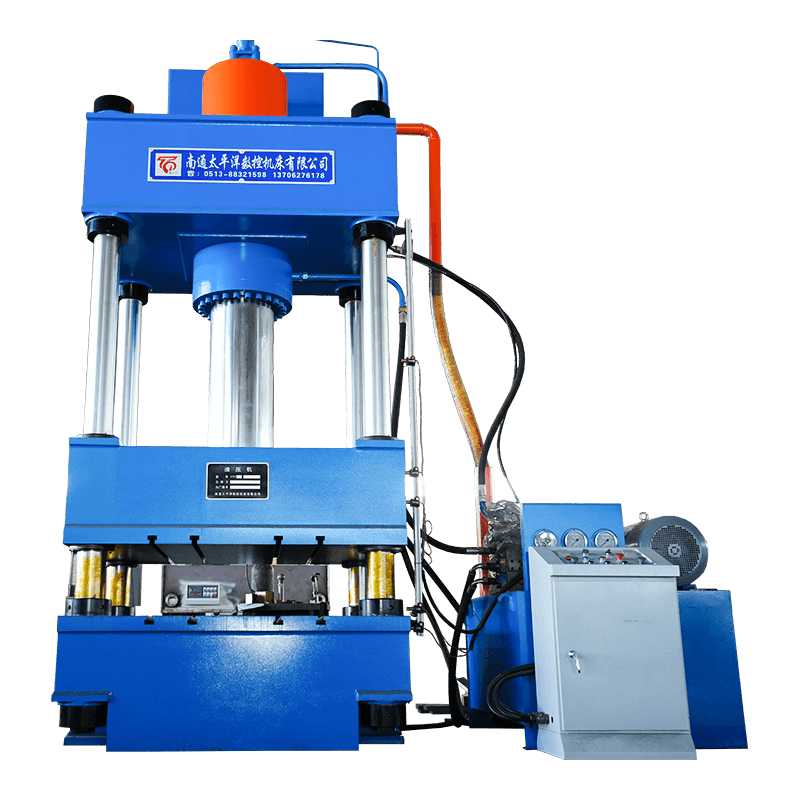
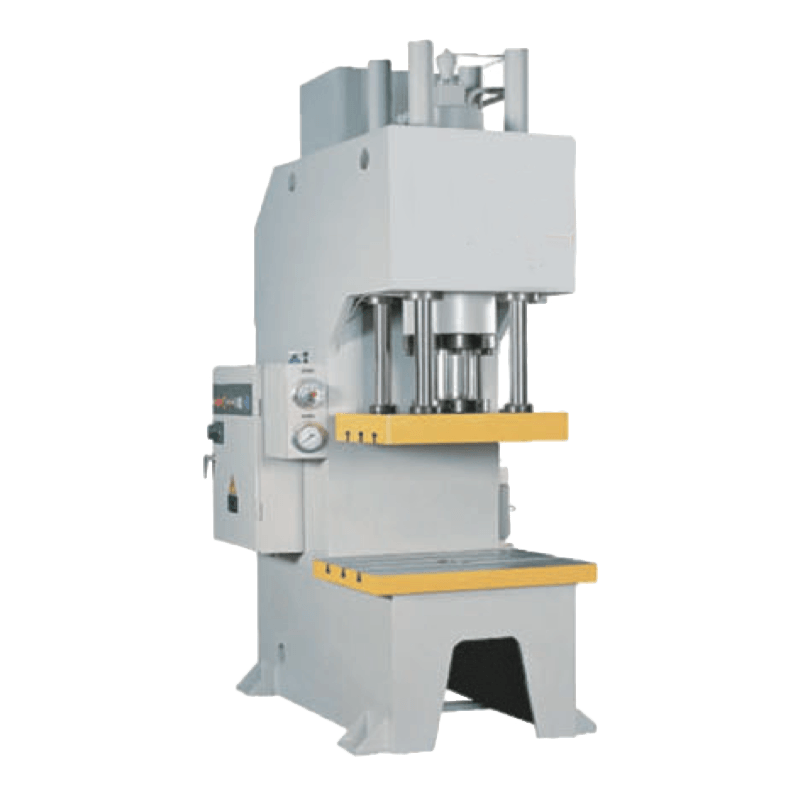
As a professional China Steel Plate Rolling Machine supplier and hydraulic plate rolling machine factory, Pacific CNC specializes in the production of shearing machines, bending machines, rolling machines, hydraulic presses, punching machines, and related equipment. These products are widely applied across light industry, aviation, shipbuilding, metallurgy, instrumentation, electrical appliances, stainless steel products, construction, and decoration industries.
The company covers more than 20,000 square meters and employs a dedicated team of engineers and technicians with deep professional expertise. Products are sold throughout China and are exported in large volumes to Southeast Asia, Europe, the United States, and the Middle East. Service branches have been established in Beijing, Tianjin, Shenyang, Shandong, Zhejiang, Guangzhou, Shanghai, Hangzhou, Chengdu, Xi'an, and Jiangsu, delivering comprehensive pre-sale, in-sale, and after-sales support.
The company has built its reputation through years of sustained commitment to research, innovation, and customer satisfaction. Pacific Machine Tools and its customers move forward together — hand in hand — for shared success.
Related Products

Contact us
Factory Address
Xichang industrial Park, Chengdong Town, HaianCity, Nantong City, Jiangsu Province, China
Phone
+86-13906278466
products
QR CODE

 English
 русский
 عربى
عربى