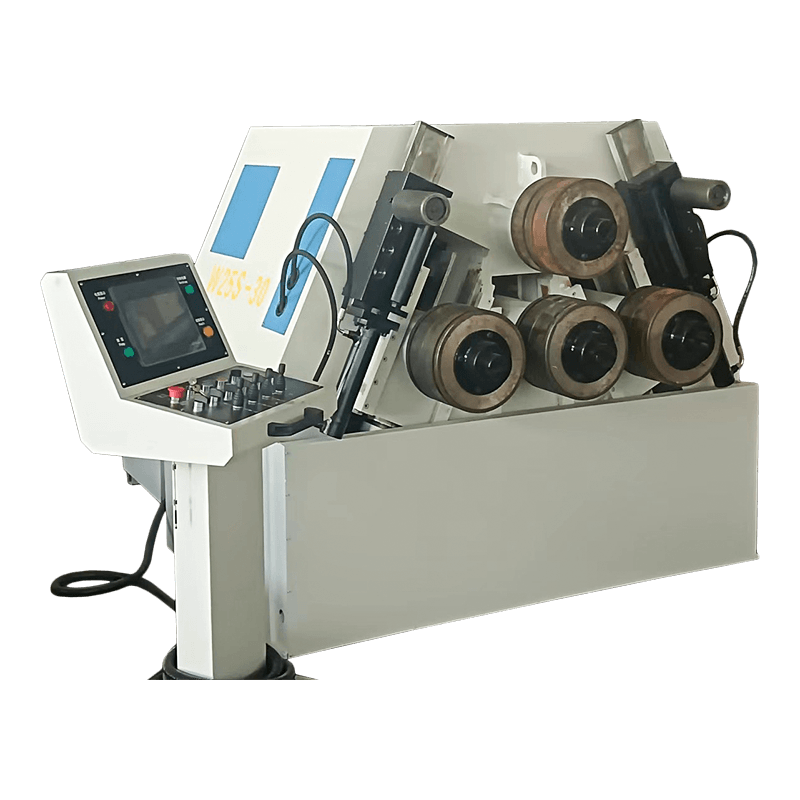
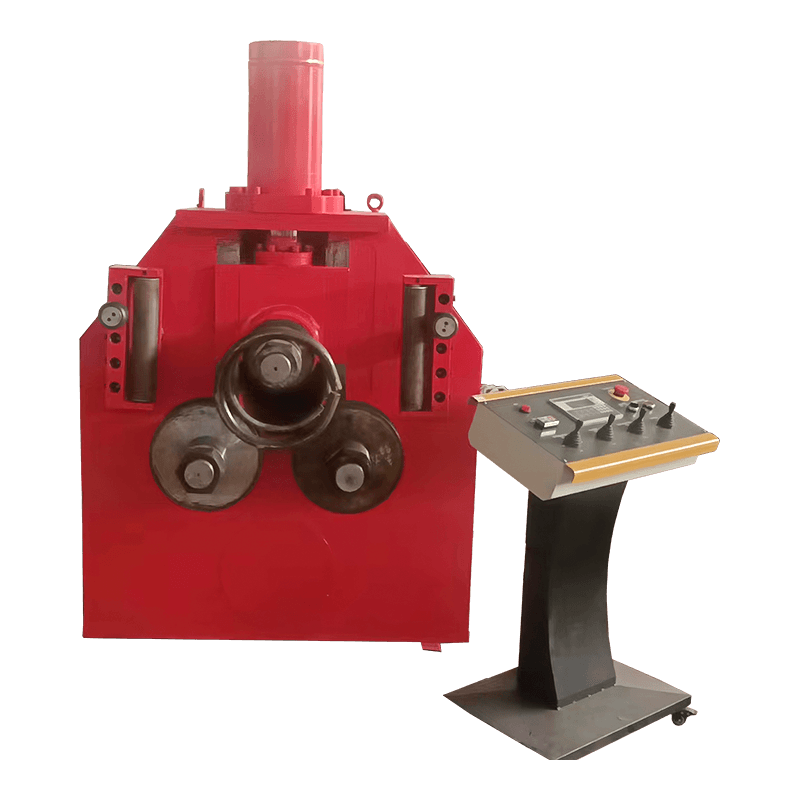
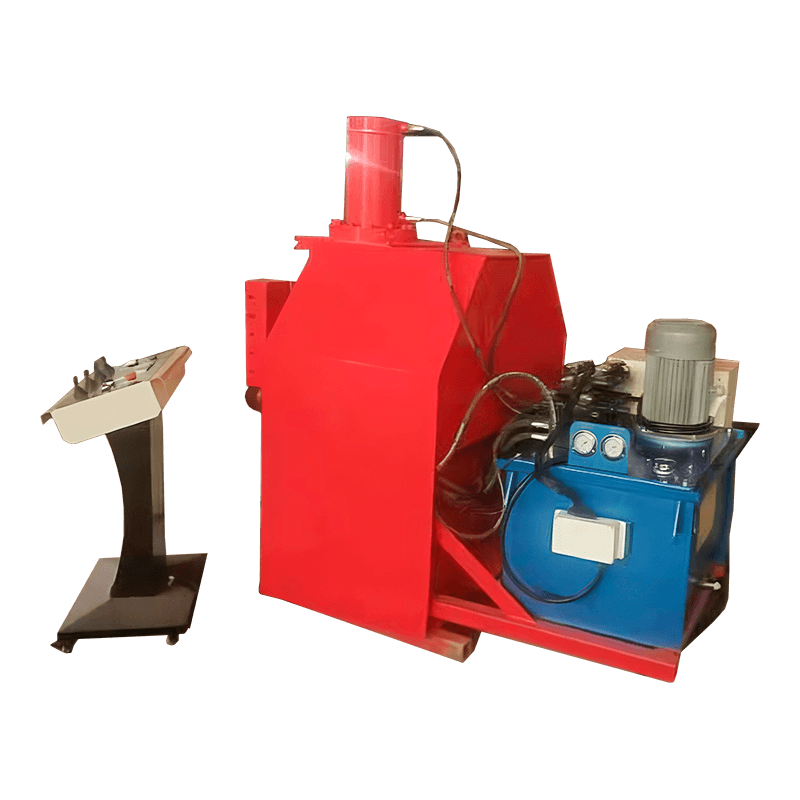
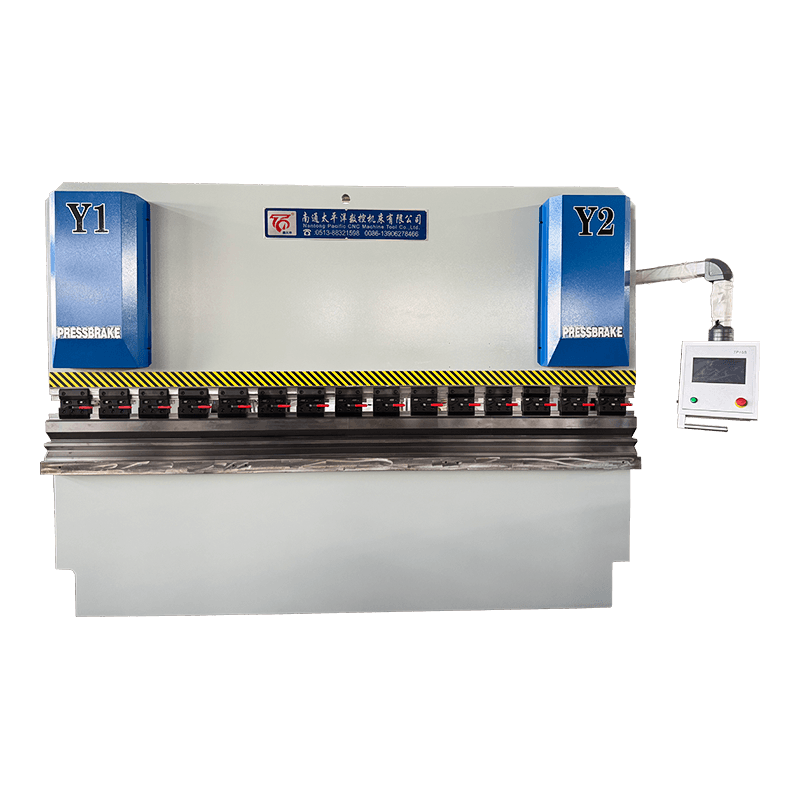
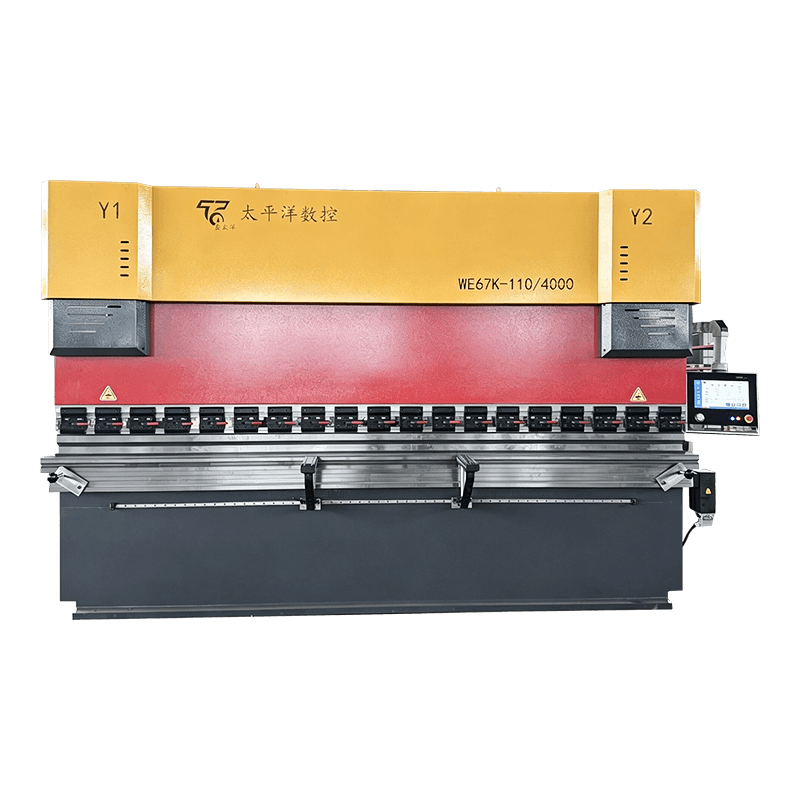
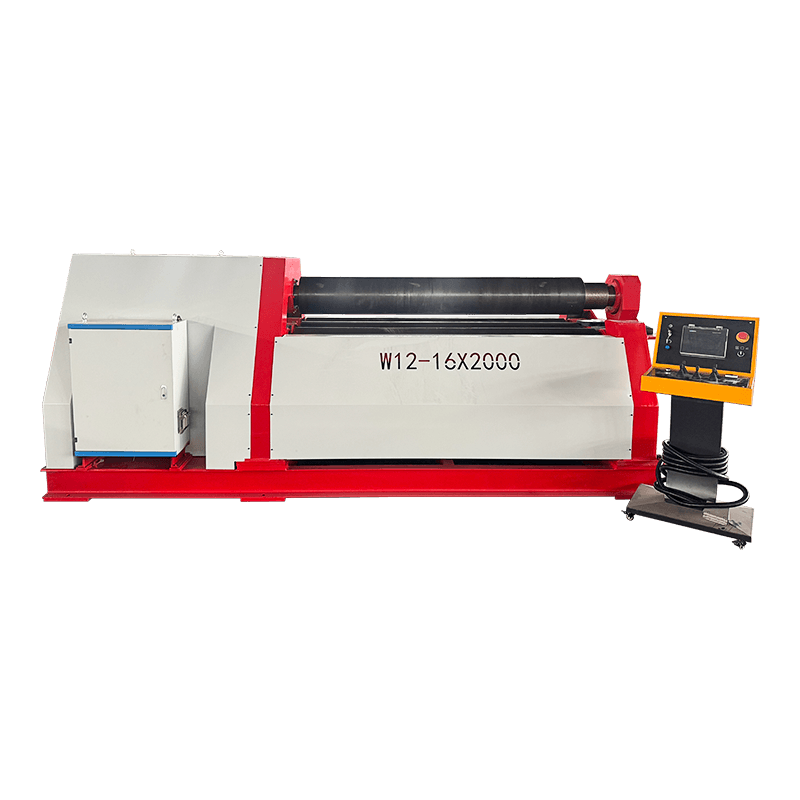
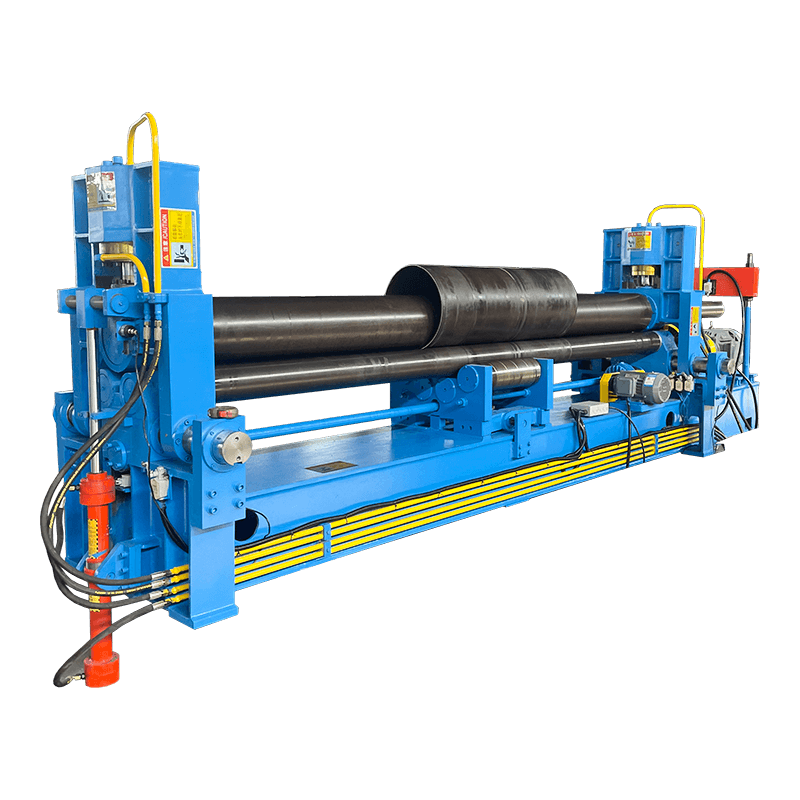
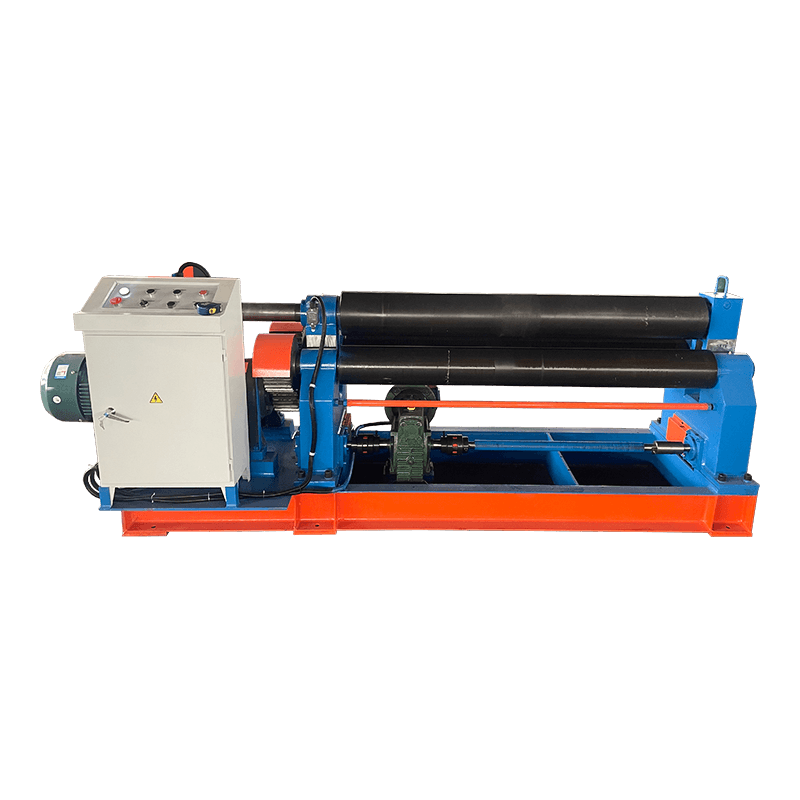
The W24S Hydraulic Section Rolling Machine is an advanced metal profile bending solution designed for processing angle steel, flat steel, round tubes, square tubes, channel steel, and various special-shaped profiles. It is widely used in industries such as construction, shipbuilding, bridge engineering, automobile manufacturing, and steel structure fabrication.
Compared with traditional manual bending methods, the W24S series significantly improves bending precision and production efficiency. Many industrial users report productivity increases of 20%–35% after upgrading to hydraulic section rolling systems.
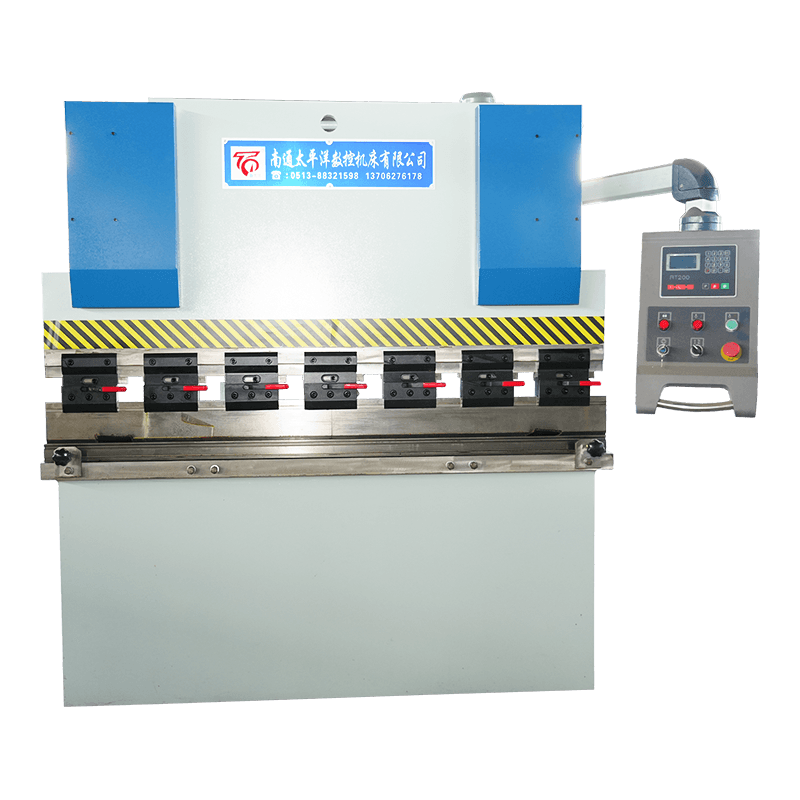
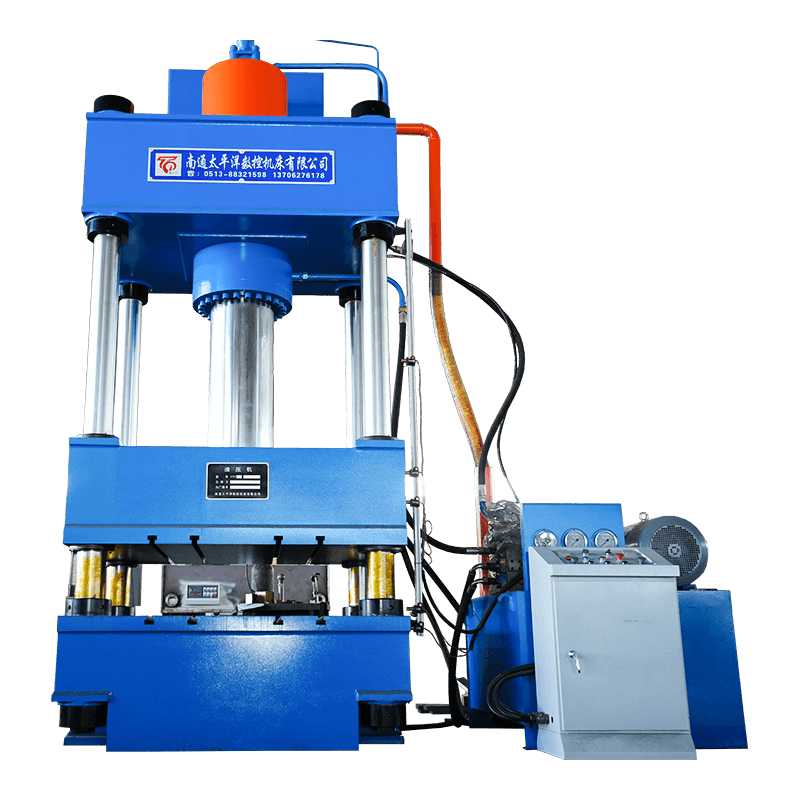
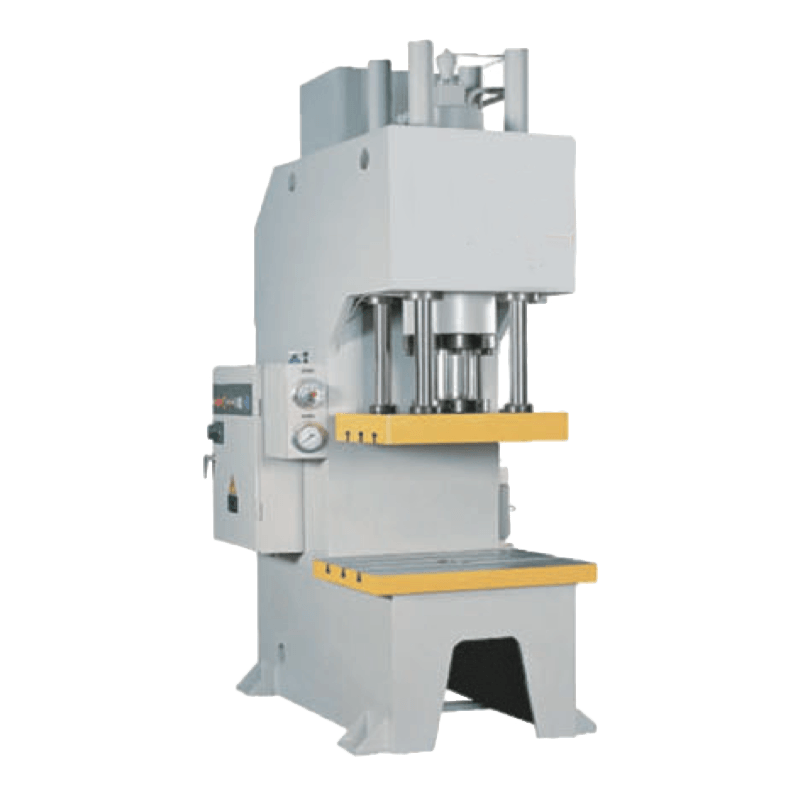
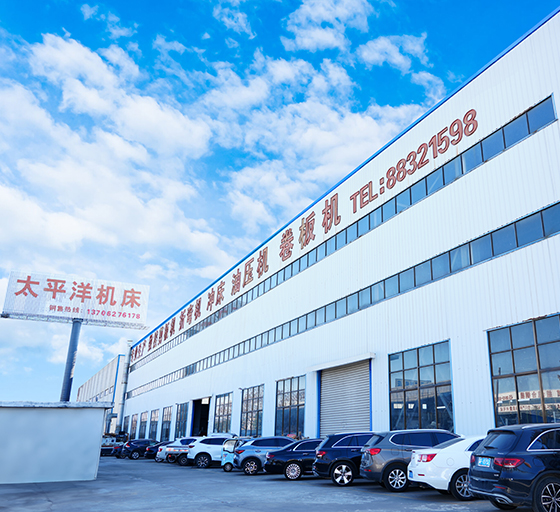
Nantong Pacific CNC Machine Tool Co., Ltd is a key enterprise of national machinery industry, located in Haian Economic and Technological Development Zone, where the environment is beautiful and the traffic is convenient, which facilitates the rapid establishment of communication between enterprises and customers. The enterprise is fully equipped, specializing in the production of shearing machine, bending machine, rolling machine, hydraulic press, punching machine and other products, widely used in: light industry, aviation, shipbuilding, metallurgy, instrumentation, electrical appliances, stainless steel products, construction and decoration industry. Our products sell well both at home and abroad.
2. Performance Characteristics of W24S Hydraulic Section Rolling Machine
(1) High-Strength Hardened Rolls
The rolls are manufactured from high-quality alloy steel and undergo hardening treatment, ensuring excellent wear resistance and long-term durability. Under normal operation, the hardened rolls can maintain stable precision for more than 10 years.
(2) Precision Drive Shaft System
The drive shafts are hardened and ground with double taper roller bearing support, which improves load-bearing performance and reduces vibration during bending operations.
(3) Flexible Working Position
The machine can operate in both horizontal and vertical positions, giving manufacturers greater flexibility when processing different profile materials and large workpieces.
3. Main Advantages of Hydraulic Section Rolling Technology
(1) Higher Bending Accuracy
Hydraulic control systems provide stable rolling pressure, allowing profile bending accuracy to reach within ±0.5mm for many applications.
(2) Reduced Material Waste
Accurate positioning and stable feeding reduce material deformation and waste, helping enterprises lower production costs by approximately 10%–15%.
(3) Wide Material Compatibility
The W24S machine supports carbon steel, stainless steel, aluminum alloy, and other metal profiles, making it highly versatile for modern manufacturing needs.
4. Technical Parameters Overview
| Item |
Specification |
Benefit |
| Roll Material |
Hardened Alloy Steel |
Long service life |
| Working Position |
Horizontal / Vertical |
Flexible operation |
| Bearing Type |
Double Taper Roller Bearing |
Stable and precise rolling |
Technical overview of W24S Hydraulic Section Rolling Machine
5. Industrial Applications of W24S Section Rolling Machine
The W24S hydraulic section rolling machine is widely applied in:
- Steel structure engineering
- Bridge and tunnel construction
- Shipbuilding and marine equipment
- Automotive and railway manufacturing
- Decorative metal fabrication
Due to its high precision and operational flexibility, the W24S series has become a preferred solution for modern profile bending applications worldwide.
6. FAQs
Q1: What materials can the W24S Hydraulic Section Rolling Machine process?
The machine can process carbon steel, stainless steel, aluminum alloy, angle steel, flat steel, pipes, channels, and many other metal profiles.
Q2: What is the advantage of horizontal and vertical operation modes?
Dual working positions allow operators to handle both small and large workpieces more conveniently, improving flexibility and production efficiency.
Q3: How does the hardened roll design improve machine performance?
Hardened alloy steel rolls provide excellent wear resistance, reduce maintenance frequency, and maintain bending accuracy during long-term industrial use.

 English
 русский
 عربى
عربى