Feb 06, 2026
Yes. Hydraulic press machines deliver high force, precise control, and stable performance, making them one of the most reliable solutions for metal forming, molding, and heavy-duty industrial applications. Their ability to generate uniform pressure allows manufacturers to improve product quality while reducing material waste.
Content
A hydraulic press machine uses Pascal’s principle to transmit force through hydraulic fluid. When pressure is applied to a small piston, it is amplified and transferred to a larger piston, generating significant pressing force.
Modern hydraulic systems can achieve working pressures of 20–35 MPa, enabling tonnage capacities from 10 tons to over 5,000 tons.
Hydraulic presses provide unmatched flexibility for different production needs, including stamping, deep drawing, bending, and composite molding.
| Application | Typical Force Range | Precision Level |
|---|---|---|
| Metal Stamping | 100–1,000 tons | High |
| Composite Molding | 200–2,000 tons | Very High |
| Powder Compaction | 50–500 tons | Medium |
Manufacturers using hydraulic press machines report productivity improvements of up to 30% compared to traditional mechanical systems.
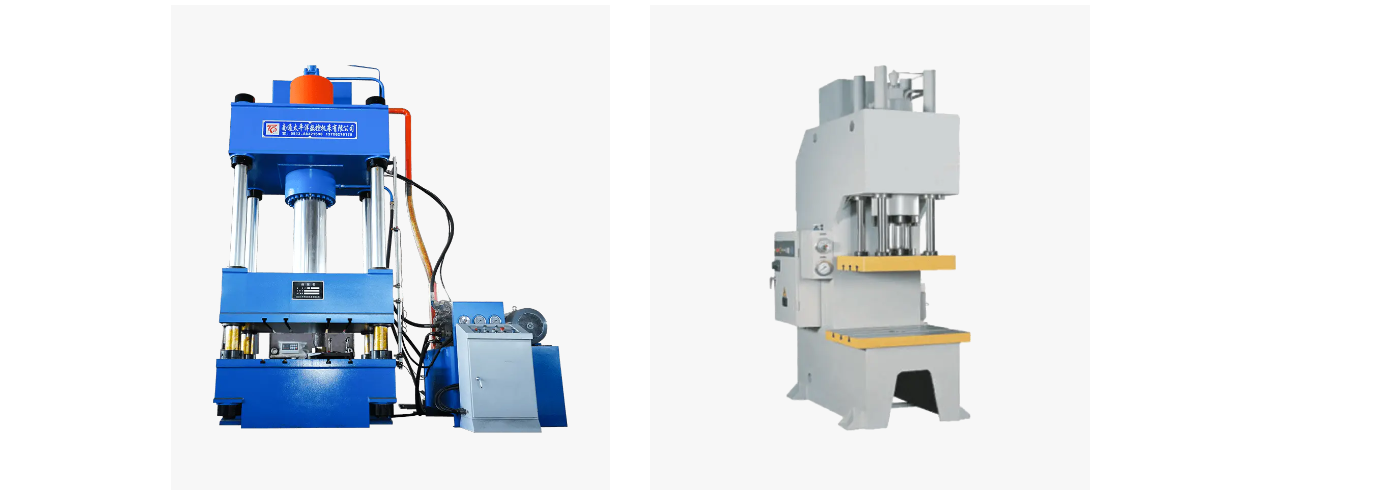
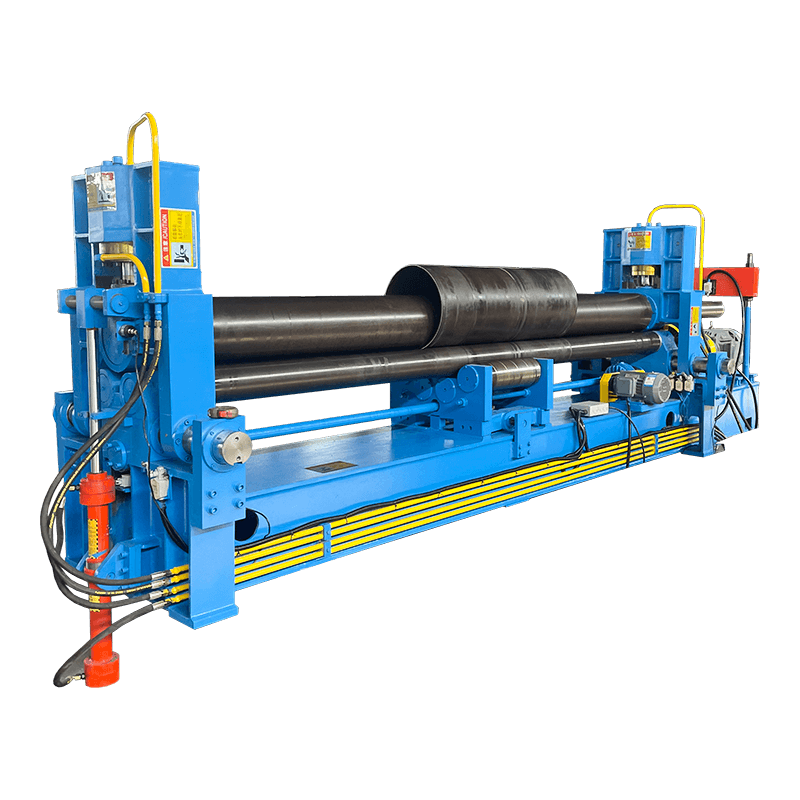
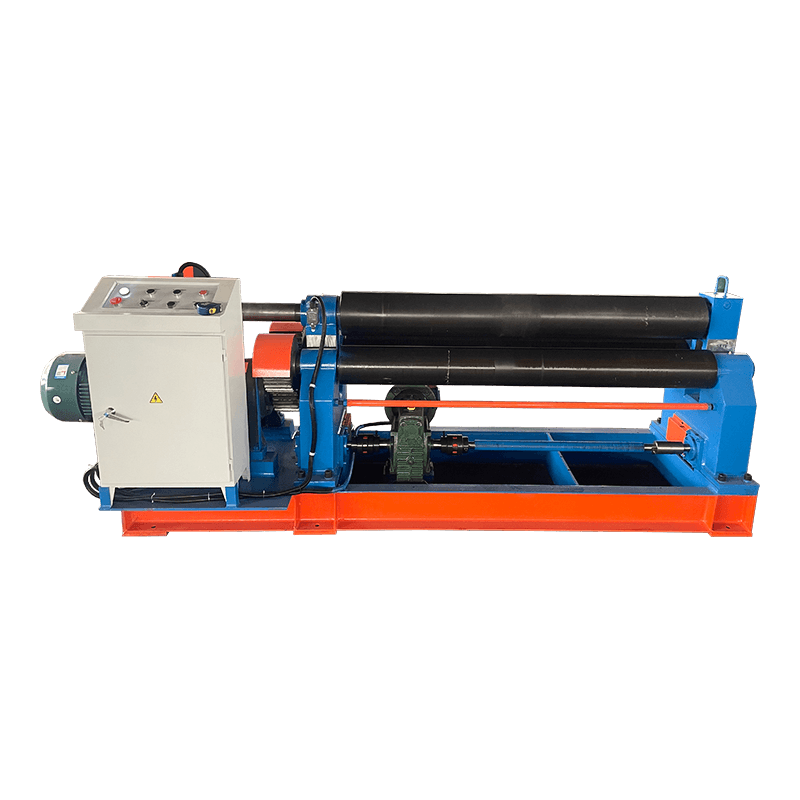
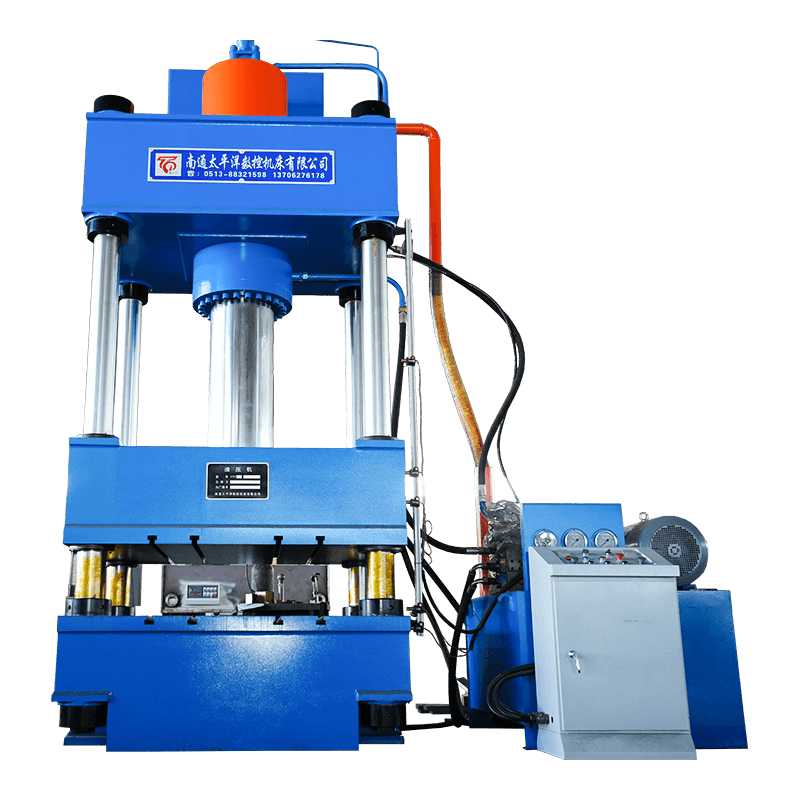
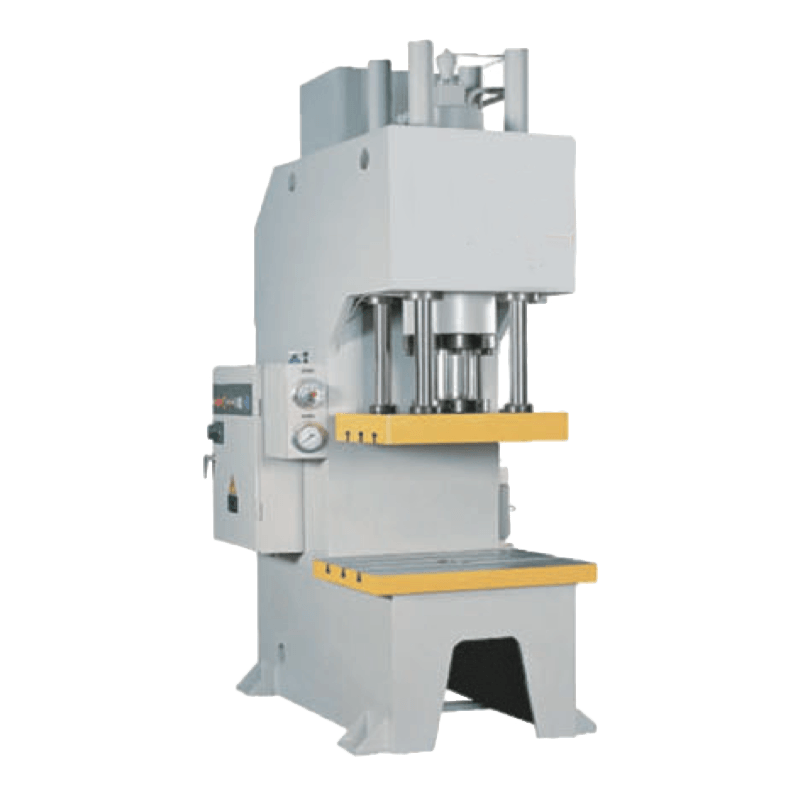
Different press structures are designed for specific production requirements and factory layouts.
Servo-driven hydraulic presses can reduce power consumption by up to 40% compared to conventional hydraulic systems.
Selecting the right machine requires matching technical specifications with production demands.
Proper machine selection can lower operational downtime by 20–25% annually.
With proper maintenance, hydraulic press machines usually operate reliably for 10–15 years or more.
Yes. Modern servo hydraulic systems significantly reduce idle energy consumption and improve overall efficiency.
Regular oil replacement, seal inspection, and hydraulic system calibration are essential to ensure stable performance.
Related Products

Contact us
Factory Address
Xichang industrial Park, Chengdong Town, HaianCity, Nantong City, Jiangsu Province, China
Phone
+86-13906278466
products
QR CODE

 English
 русский
 عربى
عربى