Feb 20, 2026
Content
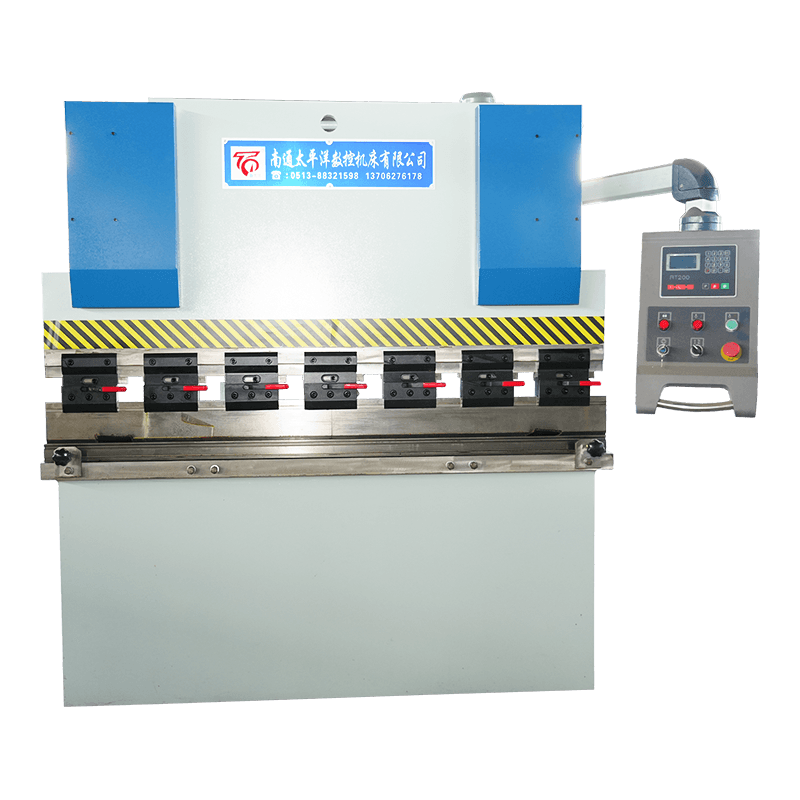
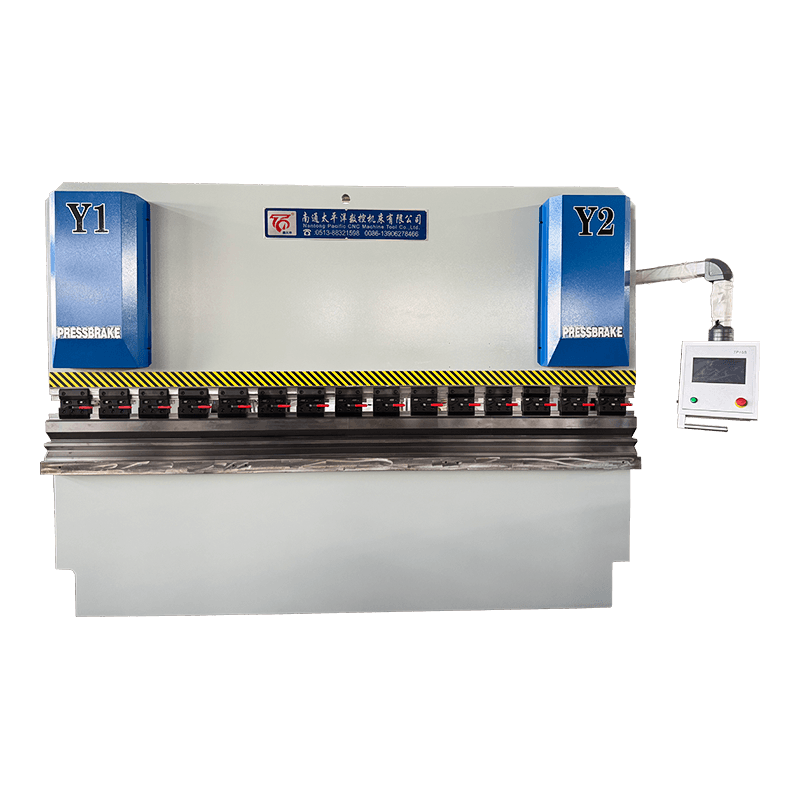
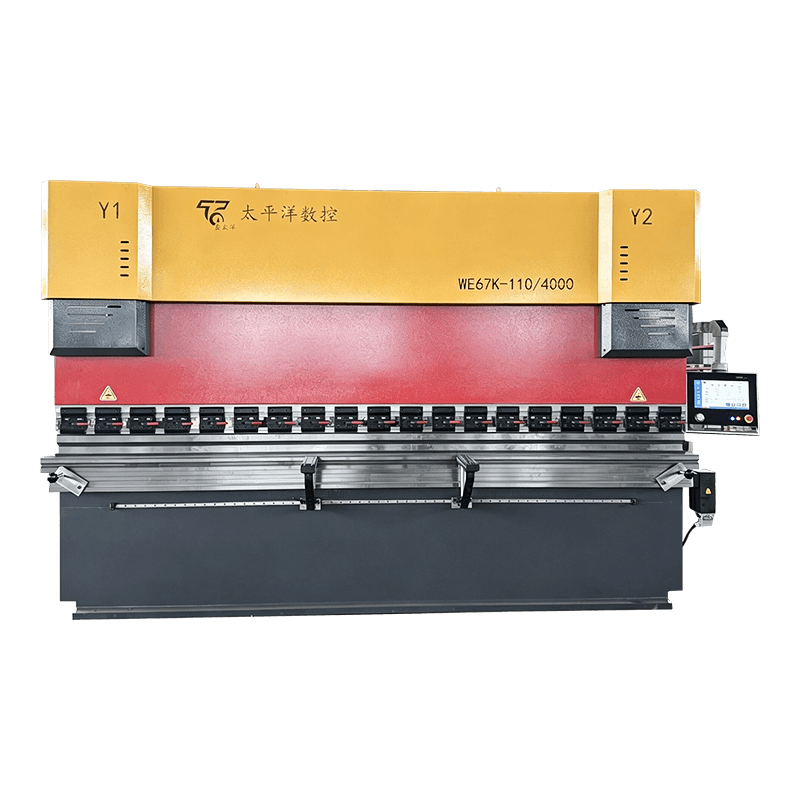
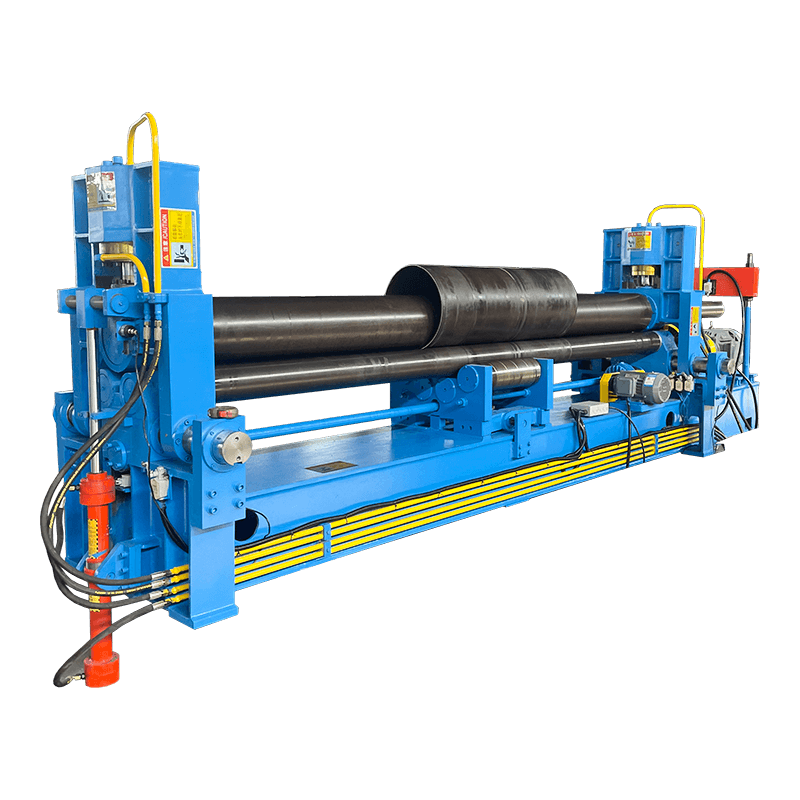
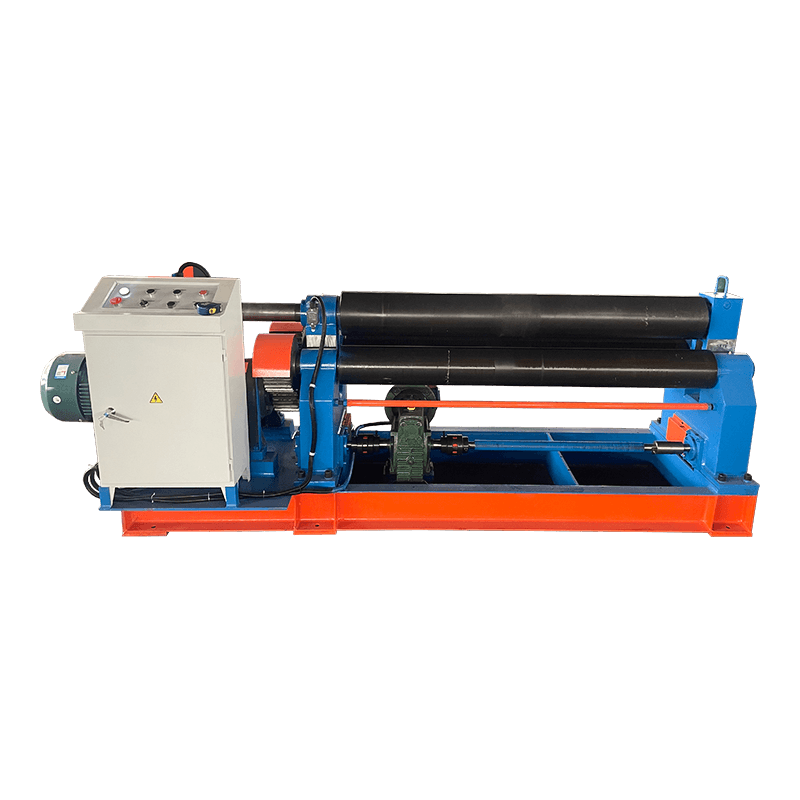
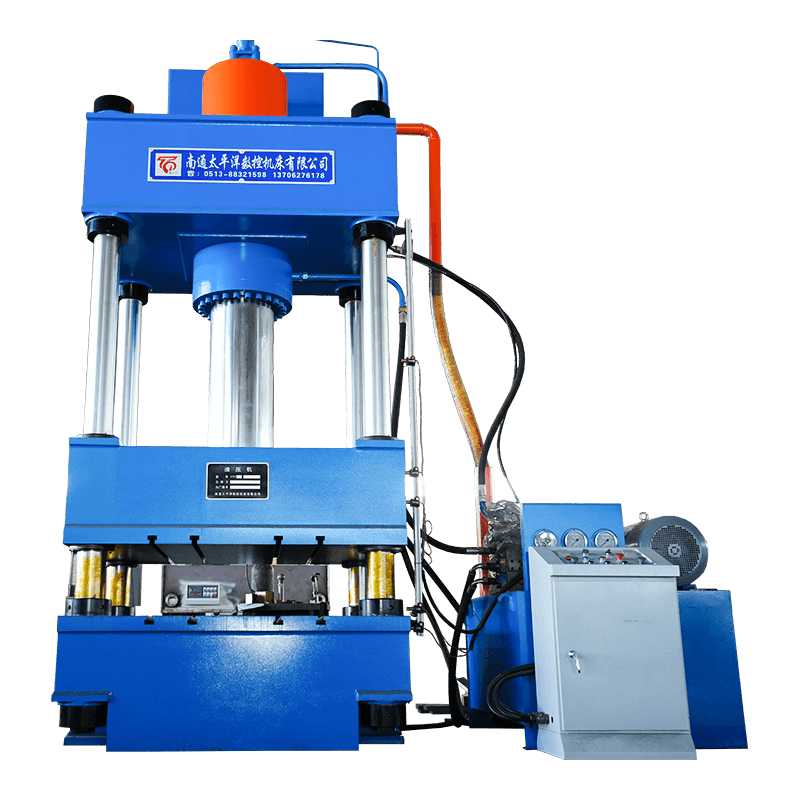
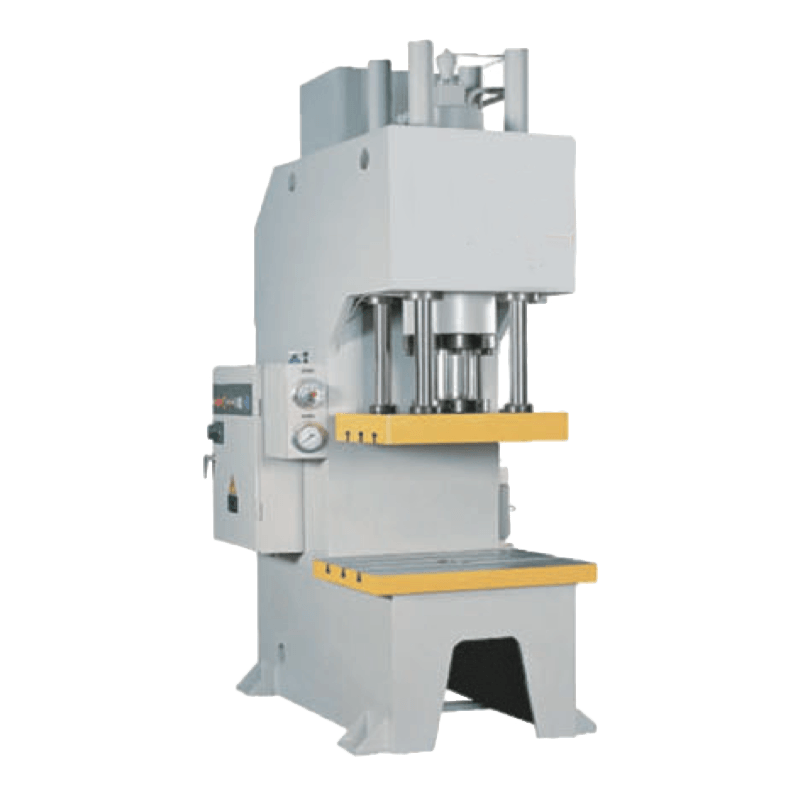
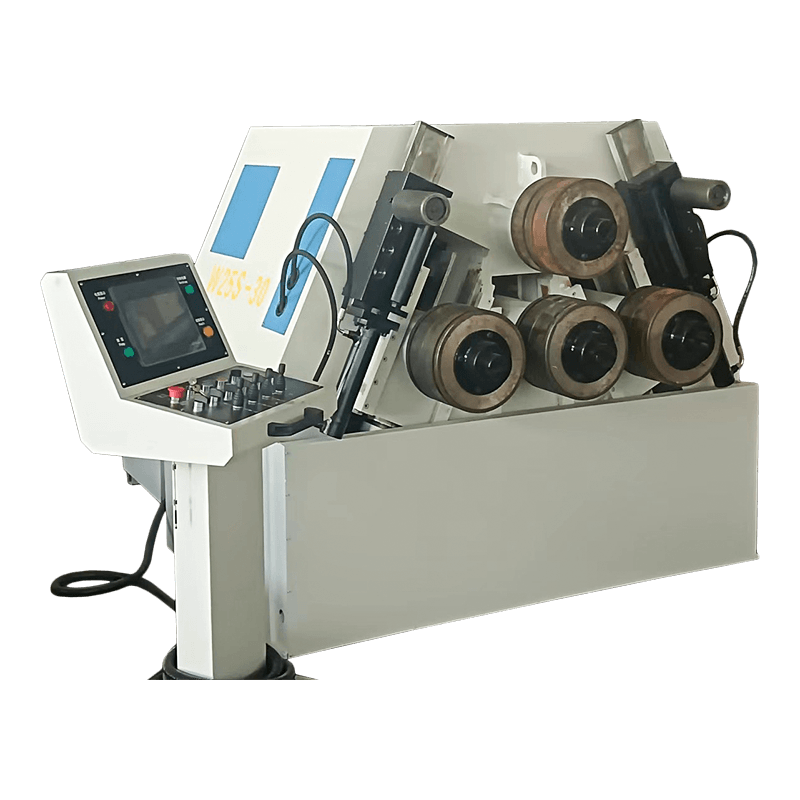
A hydraulic bending machine is a type of equipment used for bending or shaping metal, particularly sheet metal, using hydraulic power. It is widely used in various industries for manufacturing metal parts, particularly when precise, accurate, and consistent bends are required. Hydraulic bending machines are highly favored due to their efficiency, ease of use, and ability to handle large volumes of material. They can bend sheets of metal into precise angles, making them invaluable in fabrication processes.
Hydraulic bending machines offer several key features that make them suitable for industrial use:
The operation of a hydraulic bending machine involves applying pressure to a metal sheet through a die and punch system. The hydraulic system generates the force necessary to press the metal sheet into the desired shape. The process is as follows:
Using a hydraulic bending machine offers several benefits for metalworking and fabrication businesses:
There are several types of hydraulic bending machines, each designed to meet specific needs:
Q: What materials can a hydraulic bending machine handle?
Hydraulic bending machines are capable of bending a wide range of materials, including mild steel, stainless steel, aluminum, and copper. The machine’s settings can be adjusted to accommodate different material thicknesses and strengths.
Q: How accurate is the bending process with a hydraulic machine?
Hydraulic bending machines offer high accuracy, with tolerances typically ranging from 0.1 mm to 0.5 mm depending on the machine model and settings.
Q: Can a hydraulic bending machine bend thick metal sheets?
Yes, hydraulic machines can handle thicker materials compared to mechanical machines, making them ideal for heavy-duty metalworking projects.
Q: Is operator skill important when using a hydraulic bending machine?
Yes, while hydraulic bending machines are easier to operate than manual alternatives, some operator skill is required to adjust settings and achieve precise bends.
Q: What are the maintenance requirements for hydraulic bending machines?
Regular maintenance includes checking the hydraulic fluid, cleaning the machine’s components, and ensuring proper alignment of the punch and die to maintain optimal performance.
Q: What is the difference between a hydraulic bending machine and a mechanical bending machine?
Hydraulic bending machines use hydraulic pressure to apply force, allowing them to bend thicker materials with more precision, whereas mechanical machines rely on mechanical systems that are better suited for smaller, lighter tasks.
Related Products

Contact us
Factory Address
Xichang industrial Park, Chengdong Town, HaianCity, Nantong City, Jiangsu Province, China
Phone
+86-13906278466
products
QR CODE

 English
 русский
 عربى
عربى