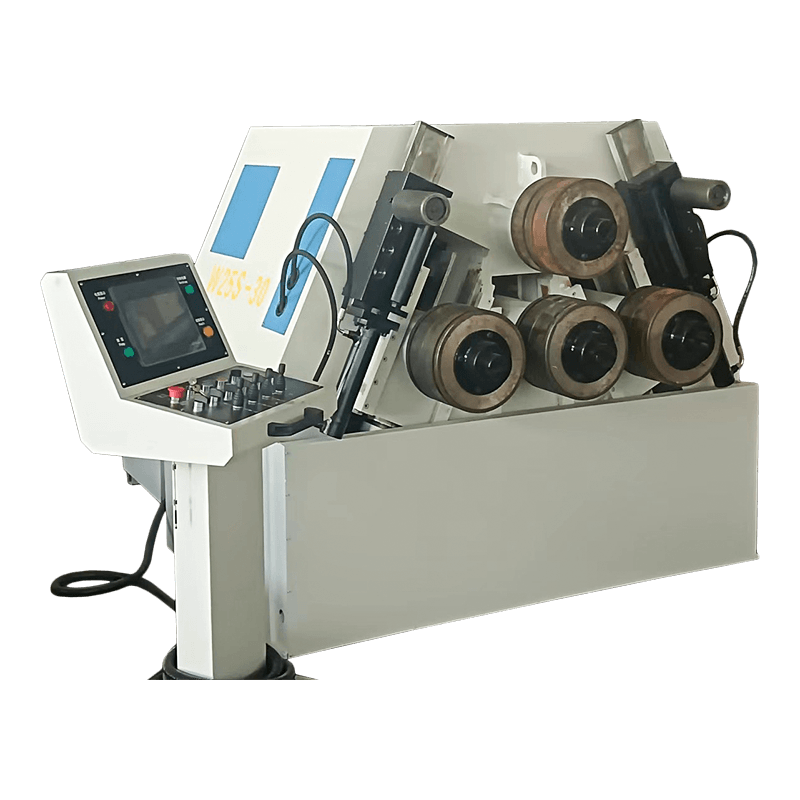
Home / News / Industry News / Why Choose an Electro-Hydraulic Bending Machine for Metal Fabrication?
Why Choose an Electro-Hydraulic Bending Machine for Metal Fabrication?
Apr 09, 2026
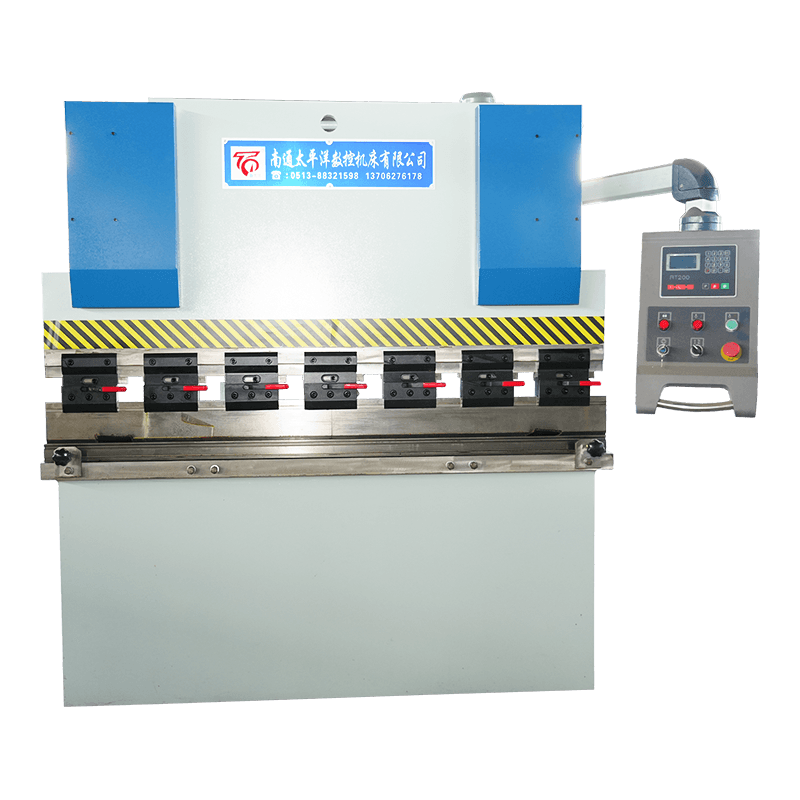
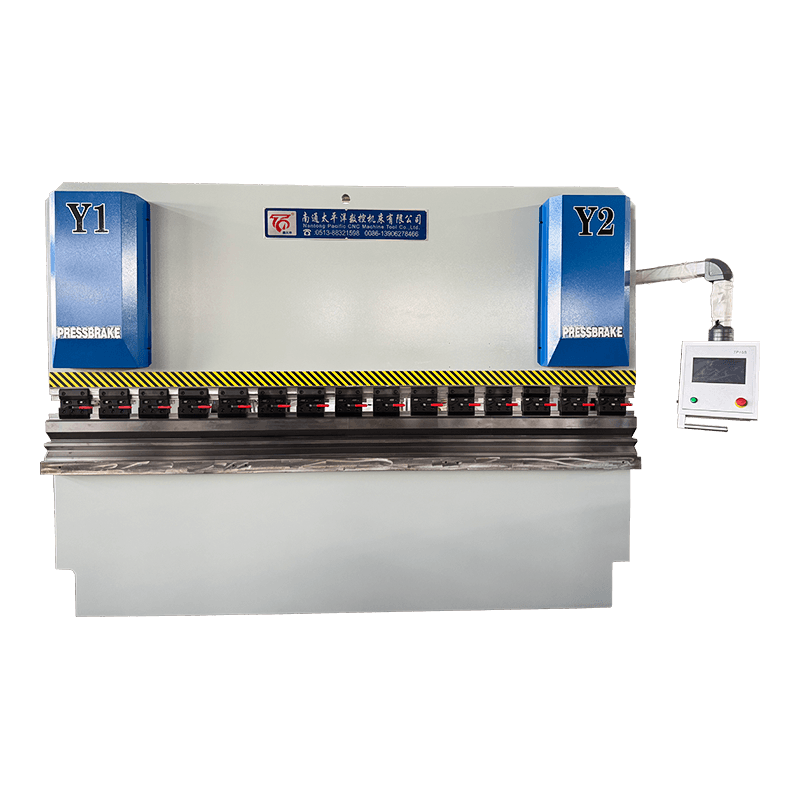
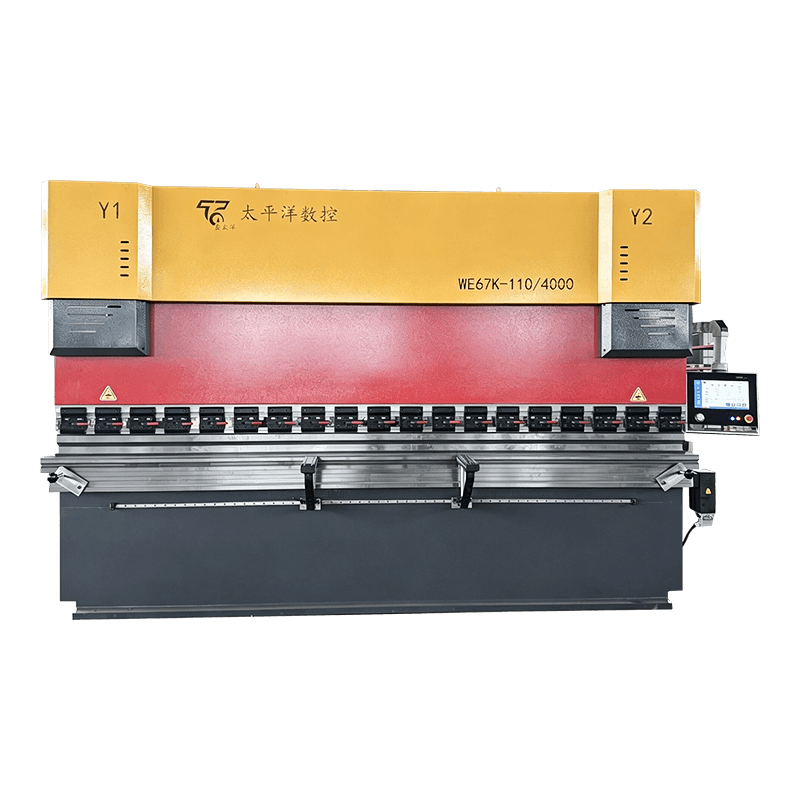
If you are evaluating bending solutions for sheet metal fabrication, the answer is clear: an Electro Hydraulic Press Brake Machine delivers a level of precision, energy efficiency, and programmability that conventional hydraulic or mechanical bending machines simply cannot match. By combining servo-electric drive technology with hydraulic power, this machine type has become the preferred choice for manufacturers who demand consistent accuracy across high-volume and complex bending operations.
This article breaks down exactly why fabricators across industries — from aerospace to construction — are choosing the CNC Electro Hydraulic Bending Machine as their primary forming tool, and what practical advantages it brings to the shop floor.
Key Advantages of Electro Hydraulic Press Brake vs. Conventional Hydraulic Press Brake (Industry Survey, 2025)
Energy Saving
Up to 70%
Angle Accuracy Improvement
±0.1° vs ±0.5°
Noise Reduction
~60% quieter
Setup Time Reduction
~50% faster
Oil Temperature Stability
Significantly better
Compared to conventional constant-pressure hydraulic press brakes under equivalent production conditions.
An Electro Hydraulic Press Brake Machine uses a servo motor to drive a variable-displacement hydraulic pump, rather than a fixed constant-speed induction motor running continuously. The servo system responds in real time to the actual demand from the ram — providing hydraulic pressure only when and at the level needed for the specific bending operation.
This fundamental difference in drive architecture is what makes the electro hydraulic design so much more capable than a conventional hydraulic press brake. The CNC controller governs every parameter — ram speed, position, pressure, and return stroke — with a level of precision and repeatability that manual or traditional hydraulic systems cannot achieve.
Core Components of the System
AC servo motor paired with a high-efficiency variable-displacement hydraulic pump
Dual-axis grating ruler or linear encoder for real-time ram position feedback
CNC controller with touchscreen interface and stored job programs
Multi-axis CNC backgauge for automatic sheet positioning
Automatic crowning compensation system in the lower beam
Superior Bending Precision That Reduces Scrap
The most immediate reason fabricators switch to a CNC Electro Hydraulic Bending Machine is precision. Conventional hydraulic press brakes achieve angle accuracy of approximately ±0.5°. A CNC electro hydraulic system, with closed-loop position control from a linear encoder, delivers angle accuracy of ±0.1° or better — a fivefold improvement that translates directly to fewer rejected parts and reduced rework costs.
For a production line running 500 bends per shift, even a 5% scrap reduction saves significant material and operator time each month. In stainless steel, aluminum, and high-strength steel applications, where material costs are substantial, this precision advantage becomes a measurable financial benefit.
How Precision Is Achieved
The servo motor responds to position commands within milliseconds, giving the ram precise depth control at every point in the stroke.
The grating ruler provides continuous position feedback, allowing the CNC to correct deviations in real time.
Springback compensation values are stored per material type and thickness, enabling the machine to auto-adjust for the next bend without operator input.
Automatic crowning in the lower beam corrects deflection across parts up to 6,000 mm long, maintaining consistent radius from end to end.
Energy Efficiency: Up to 70% Less Power Consumption
A conventional hydraulic press brake runs its motor continuously at full speed, generating heat and consuming power even when the ram is stationary between bends. The Electro Hydraulic Sheet Metal Bender eliminates this waste entirely: the servo motor operates only when the ram is moving, and at precisely the torque level required for that phase of the bend cycle.
In real-world production environments, this results in energy savings of 40% to 70% compared to equivalent fixed-pump hydraulic machines. For a fabrication shop running two press brakes on a single shift, this reduction can represent a meaningful decrease in electricity costs over 12 months.
Additional Efficiency Benefits
Lower oil temperature: Because the pump only runs under demand, hydraulic oil heats up far less. This reduces oil degradation, extends fluid change intervals, and eliminates the need for a separate oil cooling system in most applications.
Reduced noise: Servo-driven systems operate at 60–70 dB compared to 80–90 dB for conventional hydraulic machines — a significant improvement for operators working in close proximity to the machine for extended periods.
Less heat generated in the workshop: Lower overall heat output improves working conditions and reduces the load on facility HVAC systems.
Faster Setup and Higher Throughput
Job changeover time is one of the most significant sources of lost productivity in a bending operation. A CNC Electro Hydraulic Bending Machine addresses this directly through stored job programs, automatic backgauge positioning, and programmable ram parameters that eliminate manual adjustment between jobs.
Recalled job programs restore all parameters — punch depth, bend sequence, backgauge positions — in seconds.
Multi-step bend sequences are programmed once and executed automatically, reducing operator error in complex part forming.
Offline programming via the CNC controller's simulation function allows the next job to be prepared while the current job is still running.
Users typically report setup time reductions of 40–55% compared to manually adjusted hydraulic press brakes.
Parts Produced Per Shift: Conventional Hydraulic vs. CNC Electro Hydraulic Bending Machine
Illustrative output data based on typical fabrication shop performance benchmarks. Actual results vary by part complexity and operator skill level.
Lower Maintenance Burden Over the Machine Lifetime
The servo-hydraulic architecture of the Electro Hydraulic Sheet Metal Bender has fewer high-wear components than a traditional constant-pressure hydraulic system. Because the pump runs at variable speed and only under actual demand, cumulative wear is substantially reduced.
Maintenance Comparison: Conventional Hydraulic vs. Electro Hydraulic Press Brake Machine
Maintenance Item
Conventional Hydraulic
Electro Hydraulic
Hydraulic oil change interval
Every 2,000–3,000 hrs
Every 4,000–6,000 hrs
Oil cooling system required
Often required
Rarely required
Seal replacement frequency
Higher (constant pressure)
Lower (demand-based pressure)
Motor overhaul interval
Every 5–7 years
Every 8–12 years
Unplanned downtime rate
Moderate to high
Low
Versatility Across Materials and Industries
The CNC Electro Hydraulic Bending Machine is not limited to a single material or application. Its programmable tonnage control and variable ram speed make it capable of forming a wide range of sheet metals with equal reliability.
Materials Commonly Formed
Mild steel (0.5–20 mm thickness range depending on machine tonnage)
Stainless steel grades 304, 316, and duplex
Aluminum alloys 5052, 6061, and 7075
High-strength steel and Hardox wear plate
Copper and brass sheet for electrical and decorative applications
Industries Served
Aviation and aerospace structural components
Shipbuilding hull panels and interior structures
Construction and architectural metalwork
Electrical enclosures, switchgear, and instrument panels
Automotive and heavy equipment fabrication
Stainless steel products for food processing and medical equipment
Key Specifications to Evaluate When Selecting a Machine
When choosing an Electro Hydraulic Press Brake Machine, match these core specifications to your production requirements rather than selecting purely on nominal tonnage.
Key Selection Parameters for a CNC Electro Hydraulic Bending Machine
Parameter
What to Look For
Why It Matters
Nominal Tonnage
40T – 1000T range
Must exceed the calculated bending force for the thickest material in your range
Working Length
1,000 – 6,000 mm
Must accommodate the longest part in your product range
Ram Position Accuracy
±0.01 mm or better
Determines achievable angle accuracy across the part length
Backgauge Axes
4 to 6 axes CNC
More axes enable complex part positioning without fixtures
CNC Controller
Touchscreen, 3D simulation, offline programming
Reduces setup time and operator training requirements
Crowning System
Automatic hydraulic or mechanical
Essential for consistent radius on parts over 1,000 mm long
Frequently Asked Questions
Q1: What is the main difference between an electro hydraulic press brake and a conventional hydraulic press brake?
The key difference is in the drive system. A conventional hydraulic press brake uses a fixed-speed induction motor running continuously at full power. An Electro Hydraulic Press Brake Machine uses a servo motor that operates only under demand, resulting in up to 70% less energy consumption, lower oil temperatures, reduced noise, and significantly better ram position accuracy.
Q2: What bending accuracy can I expect from a CNC Electro Hydraulic Bending Machine?
A well-configured CNC Electro Hydraulic Bending Machine with a linear encoder and closed-loop position control achieves angle accuracy of ±0.1° or better under stable conditions. This compares favorably to the ±0.5° typical of conventional hydraulic systems and is sufficient for most precision sheet metal applications.
Q3: Is the Electro Hydraulic Sheet Metal Bender suitable for thick plate bending?
Yes. Electro Hydraulic Sheet Metal Benders are available in tonnage ranges from 40T to over 1,000T, making them suitable for bending mild steel plates up to 20 mm thick and high-strength steel at proportionally reduced thicknesses. The servo drive provides consistent force control at all tonnage levels, which is particularly valuable for thick-plate applications where force overshoot can cause cracking.
Q4: How much does maintenance cost differ from a conventional hydraulic press brake?
Maintenance intervals are significantly extended on electro hydraulic machines. Hydraulic oil change intervals double to 4,000–6,000 hours, oil cooling systems are typically not needed, and seal replacement frequency is lower due to demand-only pressure cycling. Combined, these factors result in meaningfully lower ongoing maintenance expenditure over the machine's operational life.
Q5: Can an electro hydraulic press brake handle multi-step bending sequences automatically?
Yes. The CNC controller stores complete multi-step bend programs that include punch depth, ram speed profile, backgauge position, and dwell time for each step. Once programmed, the operator simply loads the sheet and initiates the cycle — the machine executes every step in sequence automatically, ensuring repeatable results across the entire production run.
Q6: What skill level does an operator need to run a CNC Electro Hydraulic Bending Machine?
Modern CNC electro hydraulic bending machines use intuitive touchscreen controllers with graphical interfaces and 3D bend simulation. Operators with basic sheet metal knowledge typically reach productive proficiency within 2–5 days of hands-on training. More complex programming — such as multi-step sequences for precision parts — requires an additional training period of 1–3 weeks depending on part complexity.
About Nantong Pacific CNC Machine Tool Co., Ltd
Nantong Pacific CNC Machine Tool Co., Ltd is a key enterprise of the national machinery industry, located in Haian Economic and Technological Development Zone — an area with a beautiful environment and convenient transportation that enables rapid communication between the company and its global customers.
As a professional China CNC plate bending machine manufacturer and CNC press brake supplier, Pacific is fully equipped to design, develop, and manufacture standard series products and custom non-standard equipment. The company specializes in shearing machines, bending machines, rolling machines, hydraulic presses, and punching machines — widely applied across light industry, aviation, shipbuilding, metallurgy, instrumentation, electrical appliances, stainless steel products, construction, and decoration.
The company covers more than 20,000 square meters and employs a skilled team of engineers and technicians with deep professional expertise, with complete production and testing facilities. Products sell well throughout China and are exported in large volumes to Southeast Asia, Europe, the United States, and the Middle East. Pacific has established comprehensive pre-sale, sale, and after-sales service networks across Beijing, Tianjin, Shenyang, Shandong, Zhejiang, Guangzhou, Shanghai, Hangzhou, Chengdu, Xi'an, and Jiangsu.
In today's world full of hope and opportunity, Pacific Machine Tools and our customers move forward hand in hand for common development.

 English
 русский
 عربى
عربى