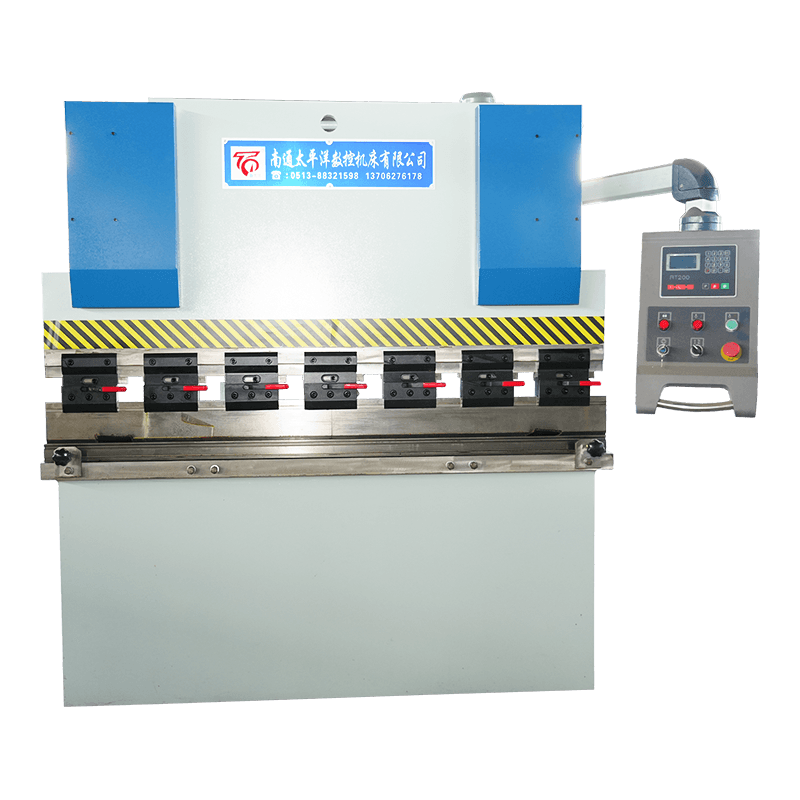
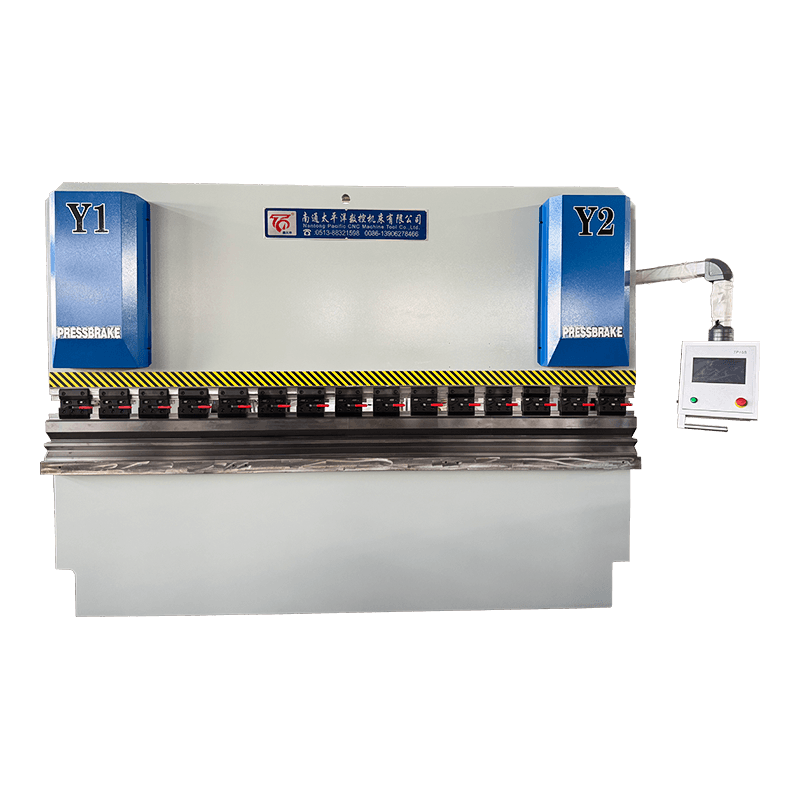
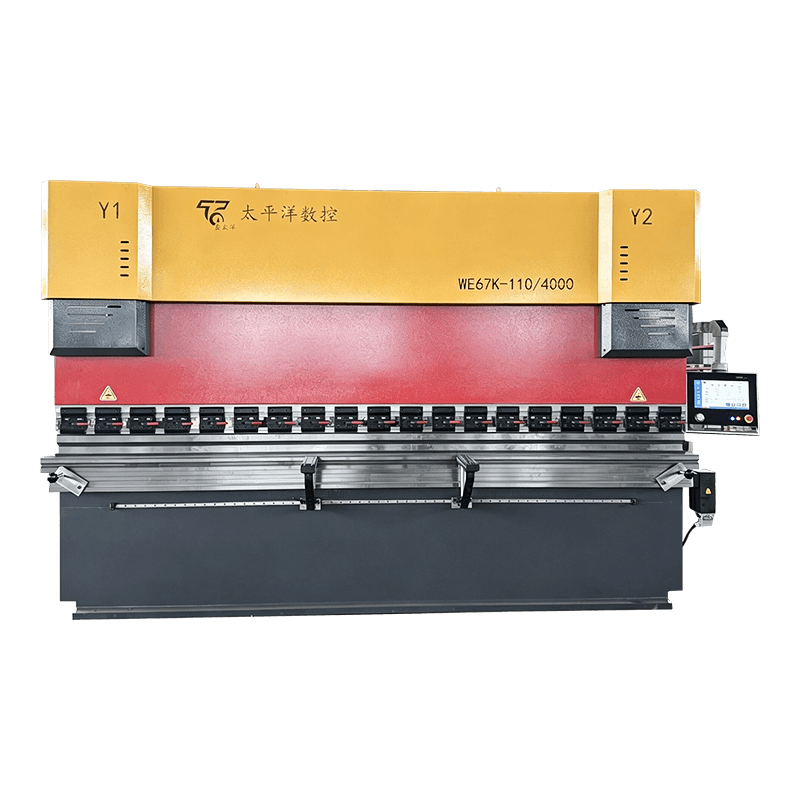
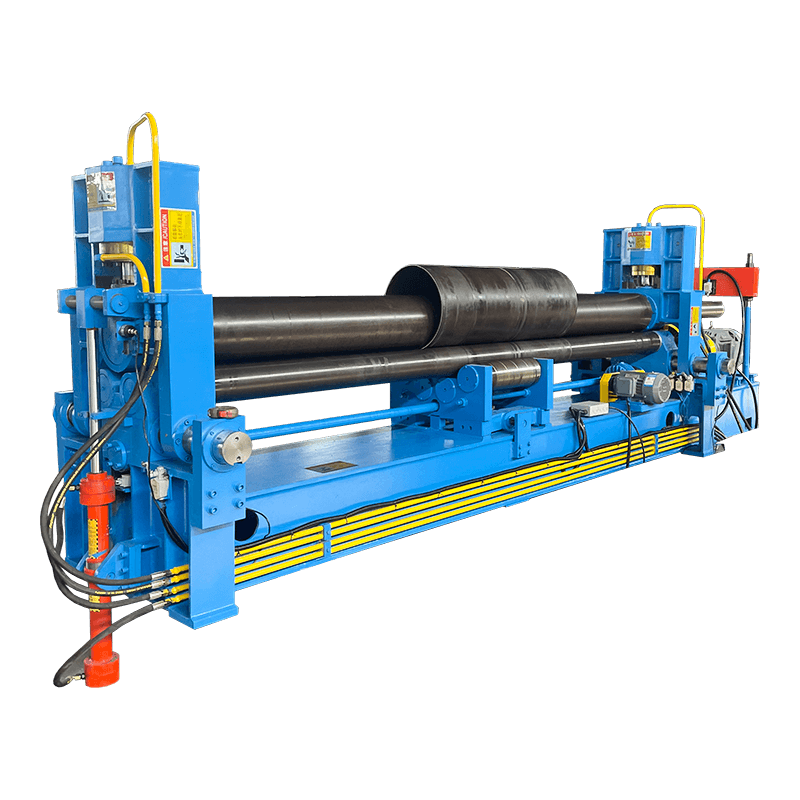
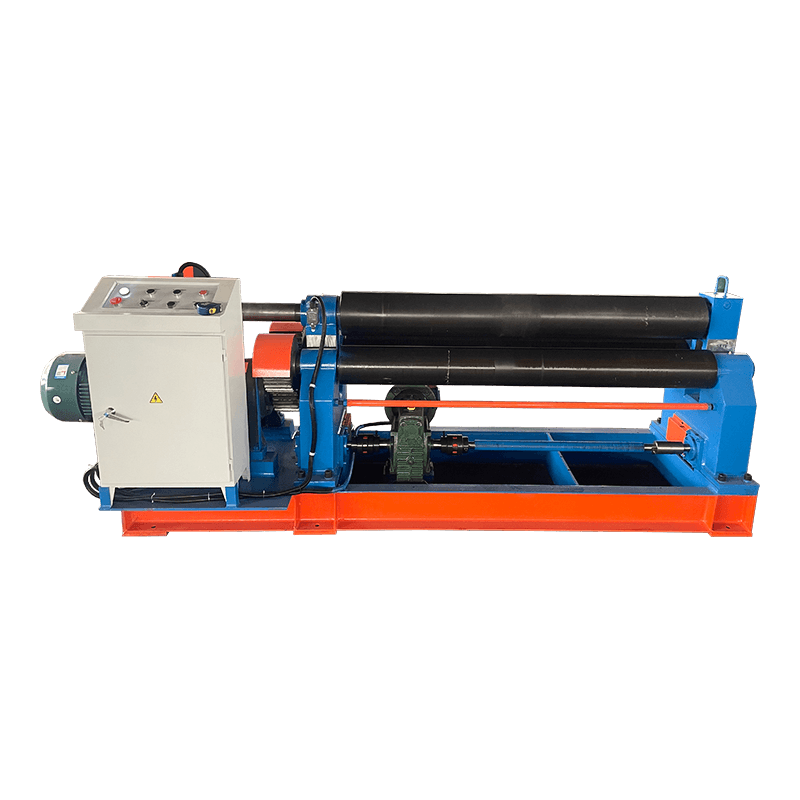
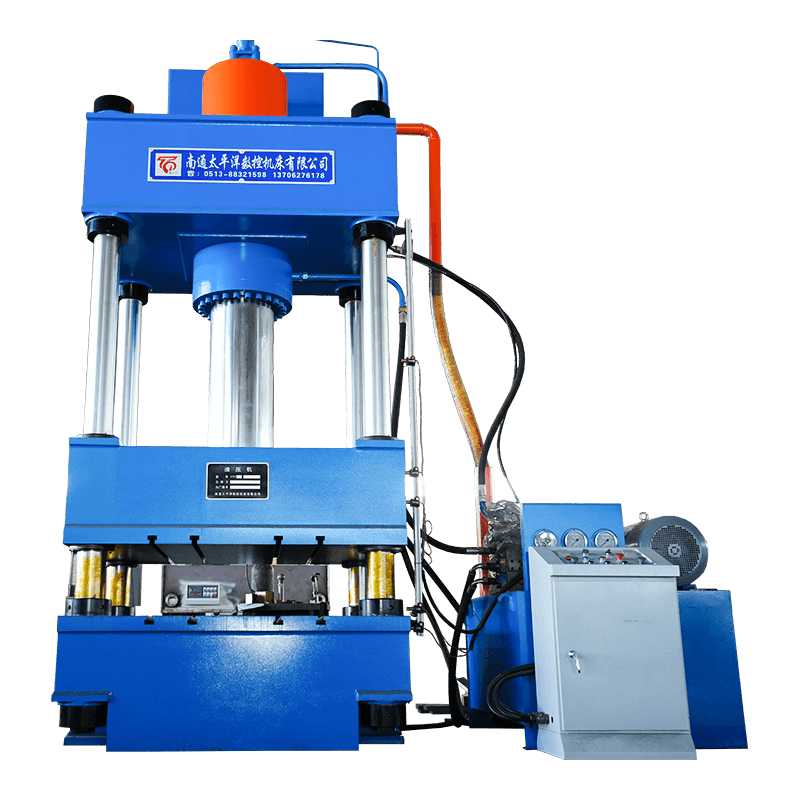
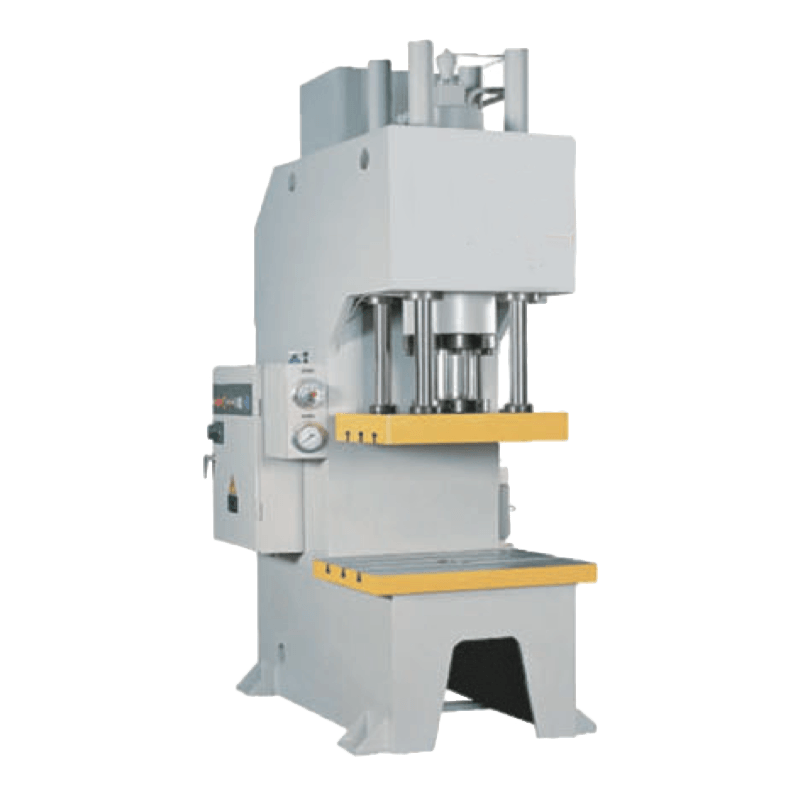
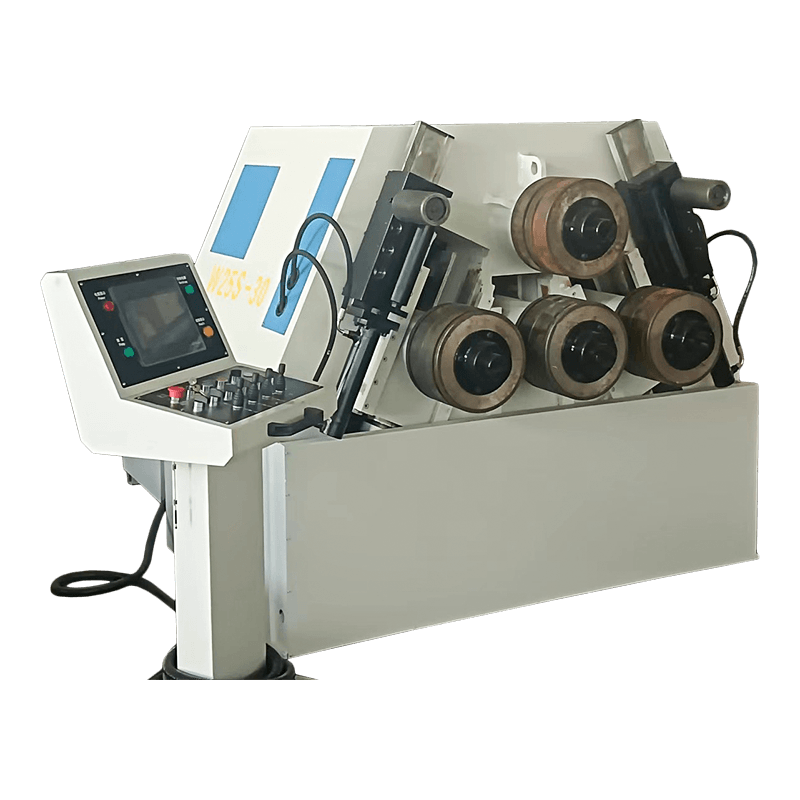
Yes, modern Electro-Hydraulic Bending Machines are designed to handle heavy-duty metal bending, including thick steel plates and structural components, with high precision and repeatability. Their combination of hydraulic force and electric control allows operators to bend metals up to several centimeters thick with consistent results.
Key Features Enabling Heavy-Duty Bending
- High Hydraulic Force: Machines can generate forces exceeding 200 tons, making them suitable for thick steel bending.
- Precise Electric Control: Programmable control systems allow accurate angle adjustments, repeatable bends, and reduced material waste.
- Robust Frame Structure: Reinforced frames prevent deformation under extreme loads, ensuring long-term machine stability.
- Versatile Tooling: Interchangeable dies and bending tools accommodate various metal thicknesses and profiles.
Performance Comparison: Electro-Hydraulic vs. Mechanical Benders
Comparison of bending capabilities between electro-hydraulic and mechanical bending machines
| Feature |
Electro-Hydraulic Bender |
Mechanical Bender |
| Maximum Bending Force |
Up to 300 tons |
50–100 tons |
| Material Thickness Capability |
20–80 mm steel plates |
10–25 mm steel plates |
| Precision & Repeatability |
High (±0.5°) |
Medium (±2°) |
| Setup Time |
Shorter with programmable dies |
Longer manual adjustments |
Tips for Effective Heavy-Duty Bending
- Always select a machine rated above the maximum required force for your material thickness.
- Use high-quality hydraulic fluid to maintain consistent bending force and reduce wear.
- Regularly calibrate the control system to ensure bending angles remain accurate.
- Inspect dies and tools for damage before heavy-duty operations to prevent material defects.
- Employ proper safety protocols, as heavy-duty bending generates high forces capable of serious injury.
Common Questions About Electro-Hydraulic Bending Machines
- Q: What metals can be bent with electro-hydraulic machines?
A: Steel, stainless steel, aluminum, copper, and alloys with thicknesses up to 80 mm, depending on machine capacity.
- Q: Are these machines suitable for small workshops?
A: Yes, smaller capacity models exist (10–50 tons) suitable for medium-duty operations.
- Q: How precise are the bends?
A: Typically ±0.5° for high-quality machines, ensuring repeatable results.
- Q: Can they replace mechanical benders entirely?
A: For heavy-duty and precision bending, electro-hydraulic machines are superior, but mechanical benders can still be used for lighter jobs.
- Q: What maintenance is required?
A: Regular hydraulic fluid changes, inspection of hoses, and calibration of electric controls.
- Q: Do they require skilled operators?
A: Yes, training is recommended to handle hydraulic pressures safely and ensure accurate bends.


 English
 русский
 عربى
عربى