Jul 09, 2026
Content
Selecting a CNC plate bending machine is a strategic investment. The right press brake balances tonnage, working length, control system, and automation. For most fabrication shops, a CNC press brake with a 135-ton capacity, 3-meter bed, and 6-axis backgauge offers the best versatility for 80% of common bending tasks. Shops processing heavy plate (over 12 mm) require at least 250 tons, while light-gauge specialists can optimize with 60–100 ton machines with fast ram speeds.
Key takeaway: Define your maximum material thickness, typical part length, and production volume. Then select a CNC plate bending machine that offers 20–30% more capacity than your current peak requirement to accommodate future growth.
Tonnage (bending force) and working length are the two primary specifications of any press brake. Tonnage determines the maximum thickness and length of material you can bend. As a rule of thumb, bending 1 meter of 3 mm mild steel requires approximately 30 tons. A CNC press brake rated at 100 tons can typically bend 3 mm steel over 3 meters, or 6 mm steel over 1.5 meters.
The relationship between tonnage, material thickness, and v-die opening is described by the formula: Tonnage = (Material Thickness² × Bending Length × Tensile Strength) / (Die Width × 1.33). For example, bending a 4 mm mild steel plate (tensile strength 450 MPa) over 2 meters using a 32 mm v-die requires approximately 110 tons. Always choose a CNC plate bending machine with 20% higher tonnage than your calculated maximum to account for material variations.
Tonnage Required for 2m Bend Length (Mild Steel)
Approximate tonnage values based on standard V-die selection (2025 industry data)
Working length should match your largest typical part. A 3-meter machine accommodates most sheet metal parts, while heavy fabrication may require 4–6 meter beds. Many fabricators choose a CNC plate bending machine with a 3.2-meter working length to handle standard 3-meter sheets with tooling clearance.
The CNC controller is the most critical interface between the operator and the press brake. Modern 3D graphical controllers with touchscreens have become the industry standard, enabling offline programming and simulation. A 2024 survey by the Fabricators & Manufacturers Association found that shops using advanced CNC controls reduced setup time by 42% and scrap rates by 27% compared to manual or older 2D systems.
Leading CNC plate bending machine manufacturers offer controllers with automatic crowning, angle correction, and real-time deflection compensation. These features ensure consistent bend angles across the entire part length. For high-mix low-volume production, look for a CNC press brake with an offline programming module that allows you to create and store hundreds of part programs without tying up production time.
Setup Time Reduction with Advanced CNC (minutes)
Source: FMA benchmarking study, 2024
The backgauge system positions the workpiece accurately for each bend. Modern CNC press brakes feature 4- to 6-axis backgauges with servo motors and precision ball screws. Positioning accuracy of ±0.01 mm is now common on premium CNC plate bending machines. The number of axes determines the complexity of parts you can produce: a 4-axis system handles most standard bends, while 6-axis systems enable multi-bend parts with flanges and offsets.
Material handling automation—such as front-loading tables, magnetic grippers, and robotic part unloaders—can dramatically increase throughput. A 2025 report from the Metal Fabrication Institute noted that automated material handling on a CNC plate bending machine can boost productivity by 35% to 50% by reducing operator intervention between cycles.
Backgauge Axis Configurations & Capabilities
Typical configurations in modern CNC press brakes
The frame and bed of a CNC plate bending machine must resist deflection under full tonnage. High-quality press brakes use welded steel structures with stress-relief heat treatment to ensure long-term stability. Deflection is the arching of the bed and ram under load, which can cause inconsistent bend angles along the part length. Advanced machines feature hydraulic crowning systems that automatically adjust the bed profile to compensate for deflection, maintaining straightness within ±0.02 mm per meter.
A 2025 technical paper from the Journal of Manufacturing Processes found that CNC press brakes with active crowning systems reduced angle variation by 65% compared to machines without crowning. This is especially critical when bending long parts or thick materials where deflection is most pronounced.
Angle Variation with/without Crowning (degrees)
Based on 2025 industry testing data
The hydraulic system determines the speed and smoothness of the ram movement. Modern CNC press brakes use proportional valves and servo-controlled hydraulic systems that provide rapid approach (up to 200 mm/s), slow bending (0–20 mm/s), and fast return (up to 180 mm/s). This speed control is essential for both productivity and precision.
Energy efficiency has become a priority. Variable-speed pump drives (servo-hydraulic) reduce energy consumption by up to 50% compared to fixed-speed systems, according to a 2024 study by the European Machine Tool Association. For shops with high daily usage, the energy savings can justify the higher initial cost of a servo-hydraulic CNC plate bending machine within 2–3 years.
Tooling compatibility and quick-change systems are vital for job-shop flexibility. A CNC press brake with a universal punch and die holder allows rapid tool changes. Hydraulic or mechanical clamping systems can reduce tool change time from 20 minutes to under 2 minutes. This dramatically improves productivity for small batch production.
Consider the variety of profiles your CNC plate bending machine will need to produce. A comprehensive tooling set includes V-dies from 6 mm to 40 mm widths, acute-angle punches, gooseneck punches for deep channels, and segmented tooling for different lengths. Investing in a CNC-compatible tool storage system can further streamline operations.
Tooling Versatility Comparison
Based on 2025 industry tooling surveys
Modern CNC press brakes incorporate comprehensive safety features including light curtains, two-hand controls, and pressure-sensitive mats. Light curtains create a protective zone around the bending area; if the beam is broken, the ram stops immediately. Safety-rated PLCs and redundant hydraulic valves ensure fail-safe operation.
The investment in advanced safety systems pays for itself through reduced downtime and accident costs. A 2025 analysis by the International Labor Organization found that modern safety systems on CNC plate bending machines reduced injury incidents by over 70% compared to older mechanical brakes.
Energy consumption is an increasingly important factor. Servo-hydraulic press brakes can reduce energy usage by 30% to 50% compared to conventional hydraulic machines. According to a 2025 lifecycle assessment, a 135-ton servo-driven CNC plate bending machine saves approximately 8,000 kWh annually—equivalent to reducing CO₂ emissions by nearly 4 tons per year.
Look for machines with energy monitoring systems that track consumption per part. This data helps optimize bending parameters to reduce energy waste, particularly in high-volume production environments.
A reliable service network is crucial for minimizing downtime. The average CNC press brake is expected to operate 3,000–5,000 hours per year in a two-shift operation. When a critical component fails, rapid technical support and spare parts availability are essential.
Leading CNC plate bending machine suppliers offer remote diagnostics, on-site technician dispatch, and comprehensive training programs. A 2024 survey of metal fabricators showed that 93% of buyers considered service response time as a top-3 factor when selecting a CNC plate bending machine.
Beyond the purchase price, consider installation, tooling, training, maintenance, and energy costs. A typical CNC press brake with a 135-ton capacity and 3-meter bed costs between $80,000 and $150,000. However, the payback period often ranges from 18 to 30 months when factoring in increased throughput, reduced scrap, and labor savings.
To calculate ROI, use the formula: (Increase in output value − Operating costs) / Machine investment. For example, if a new CNC plate bending machine allows your shop to produce parts 40% faster and reduce rework by 15%, the annual added value can exceed $60,000, making the investment highly attractive.
| Factor | Annual Impact | Notes |
|---|---|---|
| Throughput increase | +35% | Faster cycles, less setup |
| Scrap reduction | −22% | Better accuracy, fewer rejects |
| Energy savings | $2,500 | Servo-hydraulic efficiency |
| Labor reduction | $18,000 | Less manual handling & setup |
| Total estimated annual benefit | $58,000+ | Based on 2‑shift operation |
Q1: What is a CNC plate bending machine?
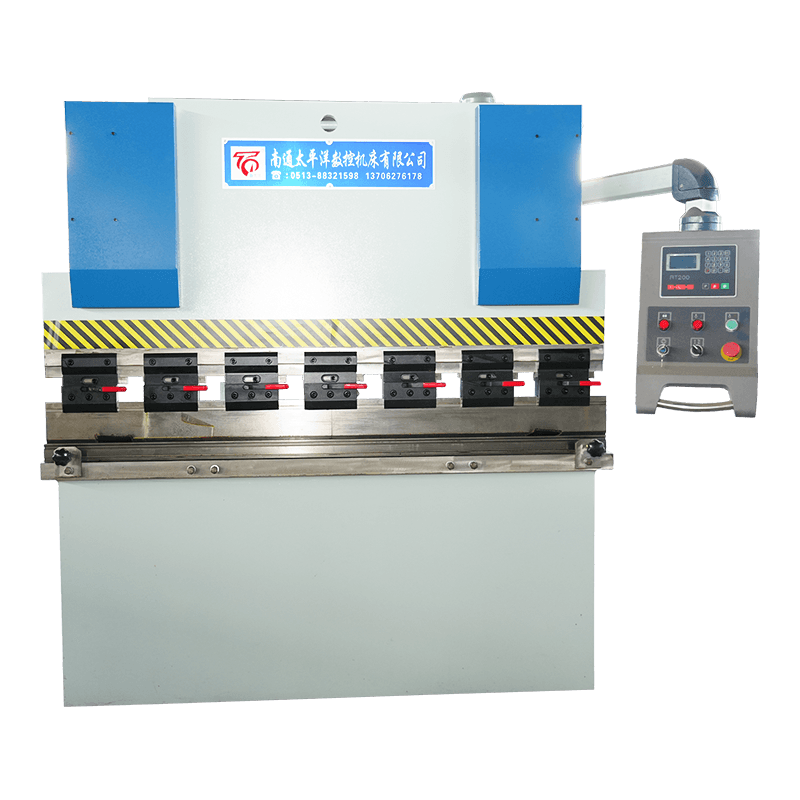
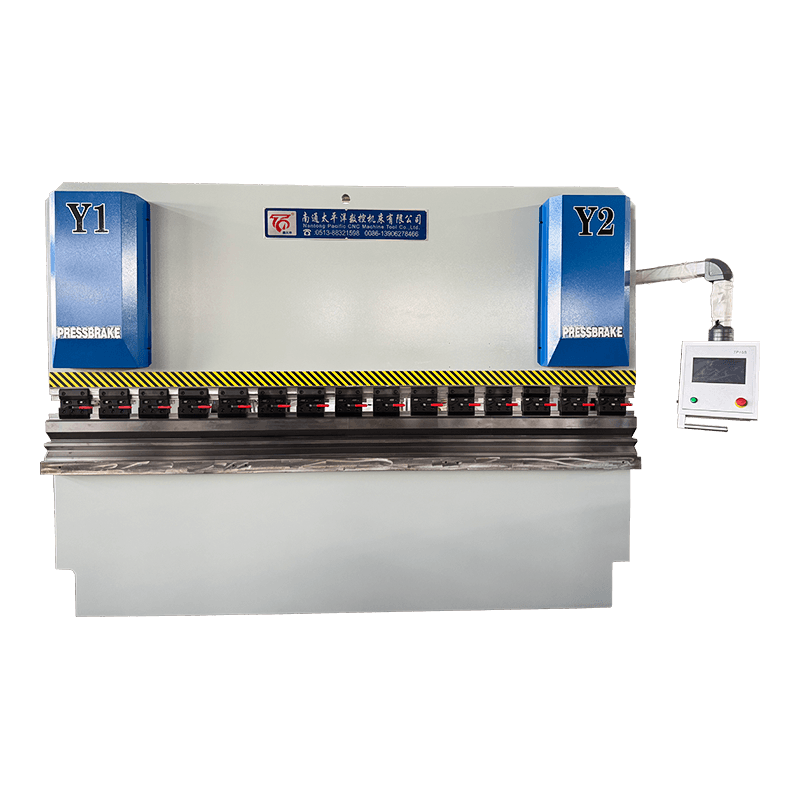
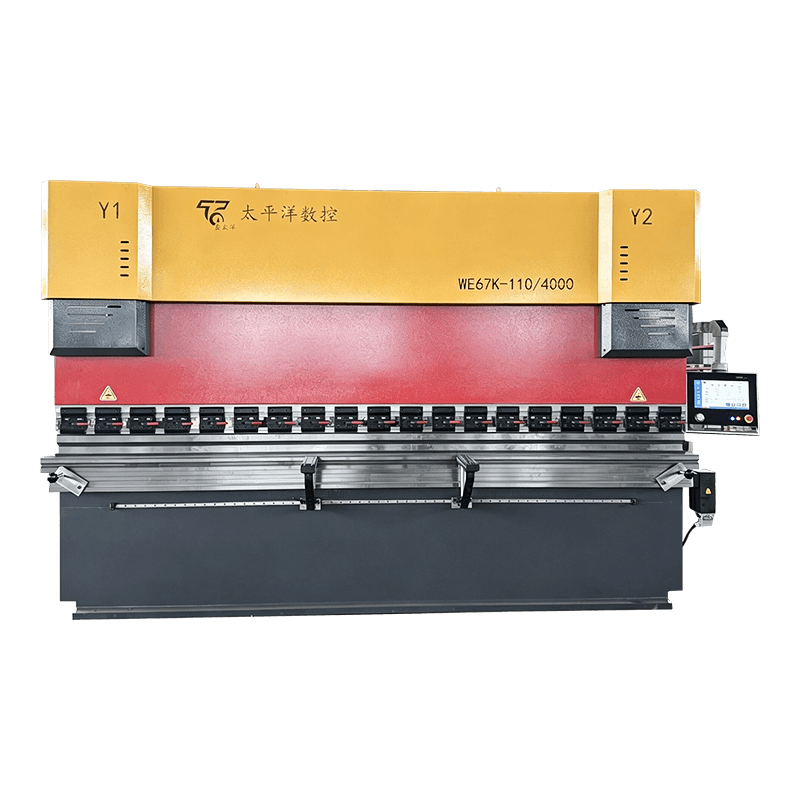
A CNC plate bending machine (CNC press brake) is a computer-controlled machine that bends sheet and plate metal using a punch and die. It uses CNC programming to accurately position the backgauge and control the ram stroke, enabling consistent, repeatable bends.
Q2: How does a CNC plate rolling machine work?
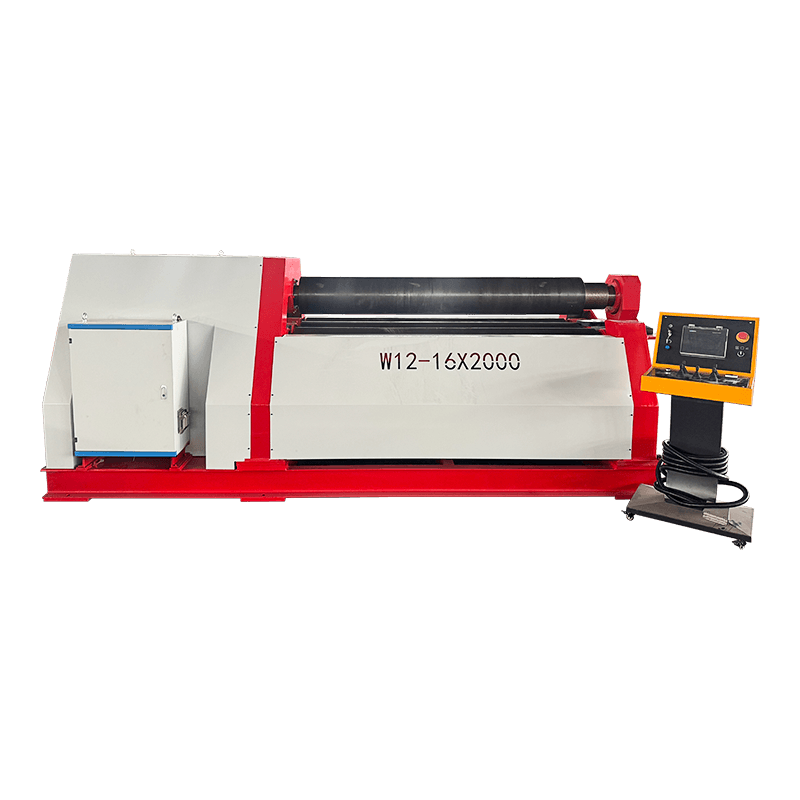
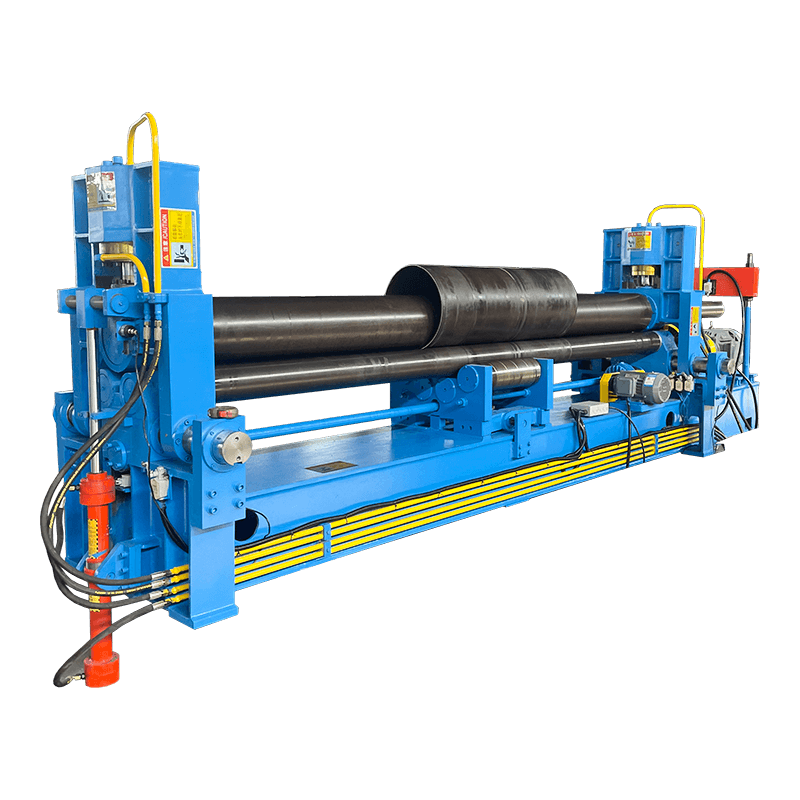
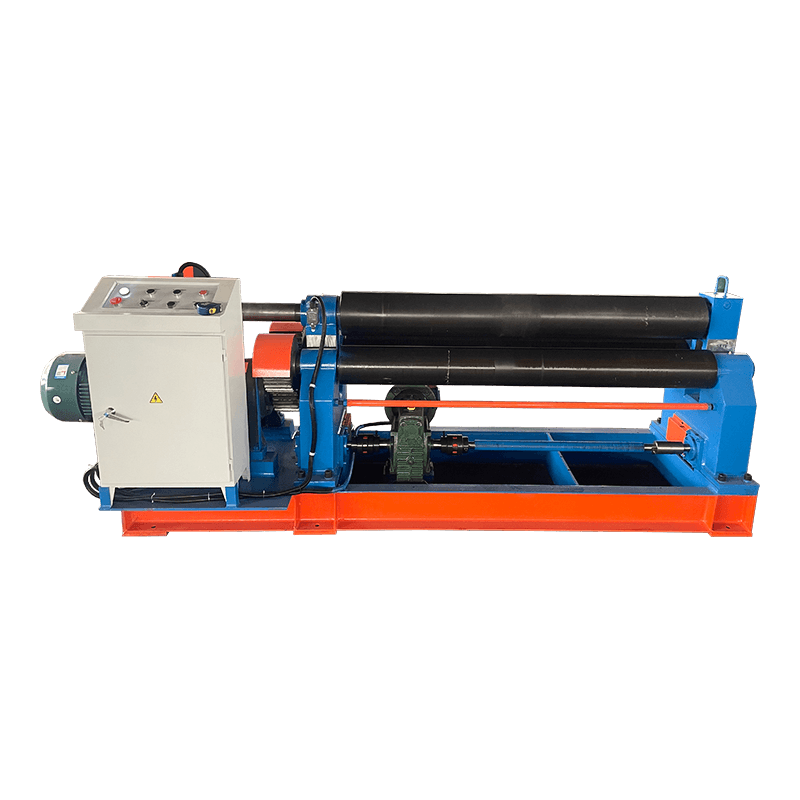
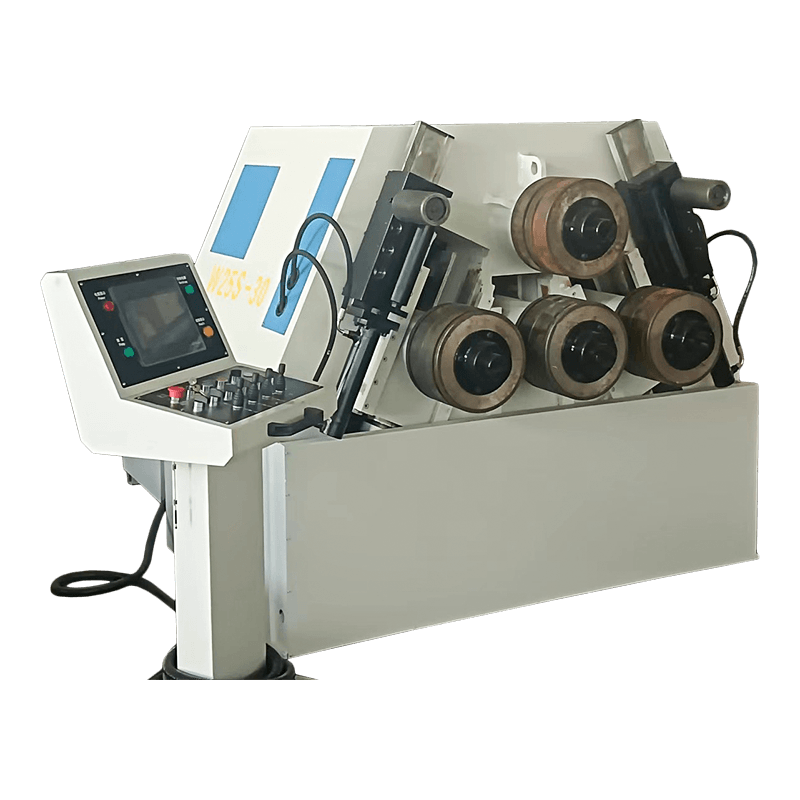
A CNC plate rolling machine uses three or four rolls to gradually form flat metal plates into cylindrical or curved shapes. The CNC controls roll positioning and speed to achieve precise diameters and consistent profiles.
Q3: What are the advantages of CNC plate bending machines?
CNC plate bending machines offer high precision, fast setup, and repeatability. They reduce operator error, scrap, and setup time while enabling complex geometries. Automation options further boost productivity.
Q4: How to choose a plate bending machine?
Evaluate your material thickness, part length, required tonnage, control system, backgauge needs, and tooling compatibility. Also consider energy efficiency, safety features, and after-sales support from a reliable CNC plate bending machine supplier.
Q5: Which CNC plate rolling machine is best?
The best CNC plate rolling machine depends on your production requirements. For heavy plate (over 12 mm), a 4-roll hydraulic machine with planetary gearing is preferred. For light gauge, a 3-roll machine offers faster cycles.
Q6: What size plate bending machine do I need?
Select size based on your maximum material thickness, typical bend length, and production volume. A 135‑ton, 3‑meter CNC press brake suits most workshops; heavy fabrication may require 250+ tons and 4‑6 meter beds.
Nantong Pacific CNC Machine Tool Co., Ltd – Your Trusted Partner
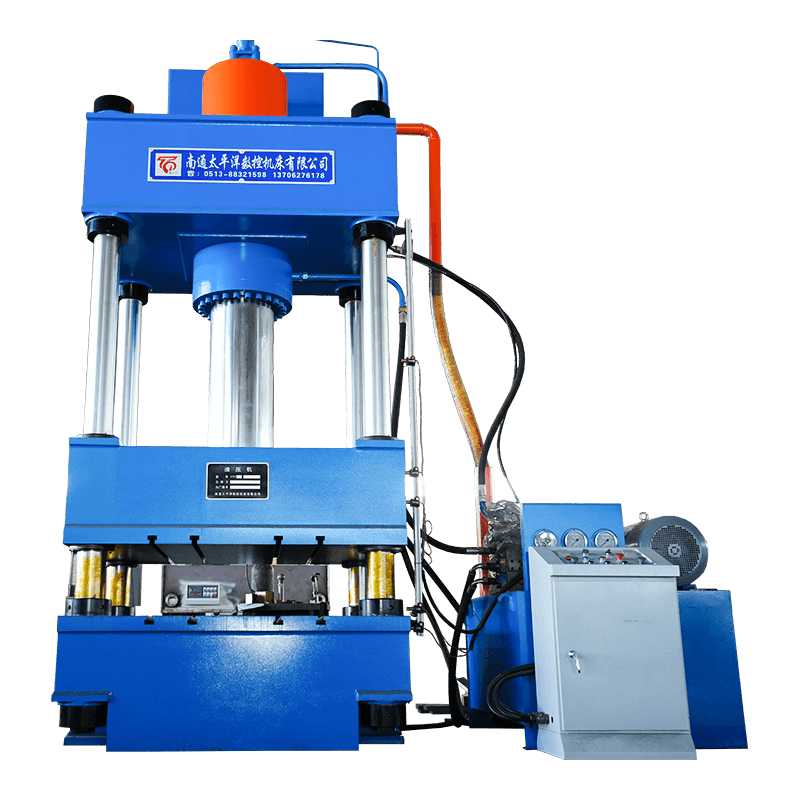
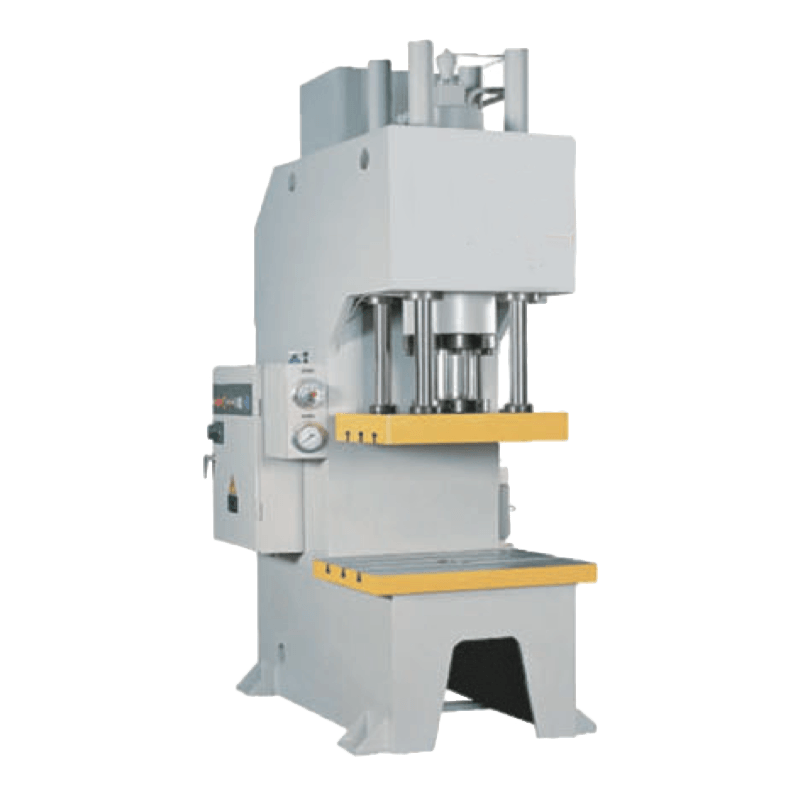
Nantong Pacific CNC Machine Tool Co., Ltd is a key enterprise of the national machinery industry, located in the Haian Economic and Technological Development Zone. The company specializes in the production of shearing machines, bending machines, rolling machines, hydraulic presses, and punching machines, serving industries including light industry, aviation, shipbuilding, metallurgy, instrumentation, electrical appliances, stainless steel products, and construction decoration. As a professional China CNC plate bending machine manufacturer and CNC press brake supplier, Pacific Machine Tools offers both standard and non-standard equipment.
The company covers over 20,000 square meters and employs a team of experienced engineers and technicians. Pacific Machine Tools has built a comprehensive pre-sale, sale, and after-sales service network across China and exports to Southeast Asia, Europe, the United States, and the Middle East. With a commitment to innovation and customer satisfaction, Pacific Machine Tools looks forward to growing together with clients worldwide.
Related Products

Contact us
Factory Address
Xichang industrial Park, Chengdong Town, HaianCity, Nantong City, Jiangsu Province, China
Phone
+86-13906278466
products
QR CODE

 English
 русский
 عربى
عربى