Jul 02, 2026
Content
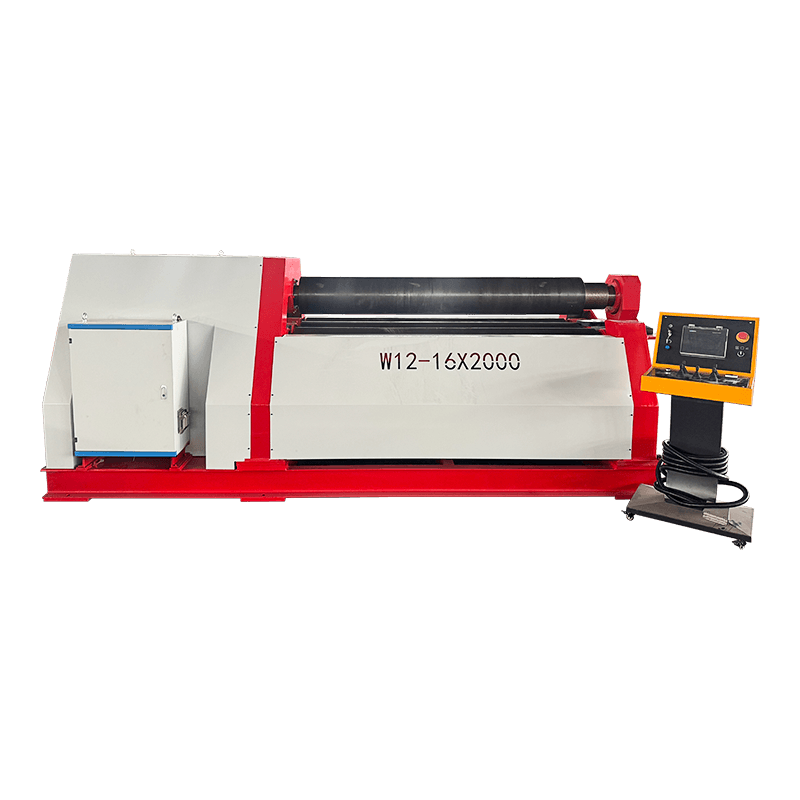
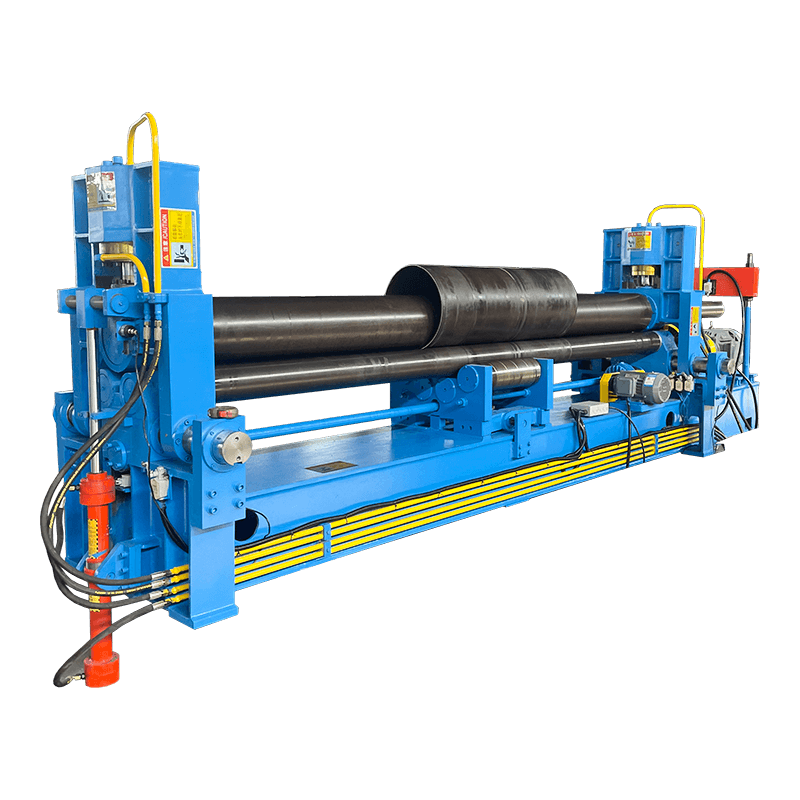
A steel plate rolling machine is industrial forming equipment that bends flat metal plate into curved or cylindrical shapes by passing it between rotating rolls under controlled pressure. The direct answer for buyers comparing options is that a CNC plate rolling machine offers significantly higher repeatability and programmable accuracy compared to manual or semi-automatic units, which is why CNC and hydraulic systems dominate fabrication shops producing pressure vessels, tanks, and structural cylindrical components.
This type of plate rolling machine is used across shipbuilding, metallurgy, construction, and stainless steel fabrication, where consistent curvature and dimensional accuracy directly affect downstream welding quality and structural integrity. Selecting the right configuration depends on plate thickness, target curvature radius, and daily production volume.
The direct answer to how does a plate rolling machine work is that rolls positioned above, below, and to the sides of the plate apply progressive pressure as the plate feeds through, gradually forming a curve until the target radius is reached.
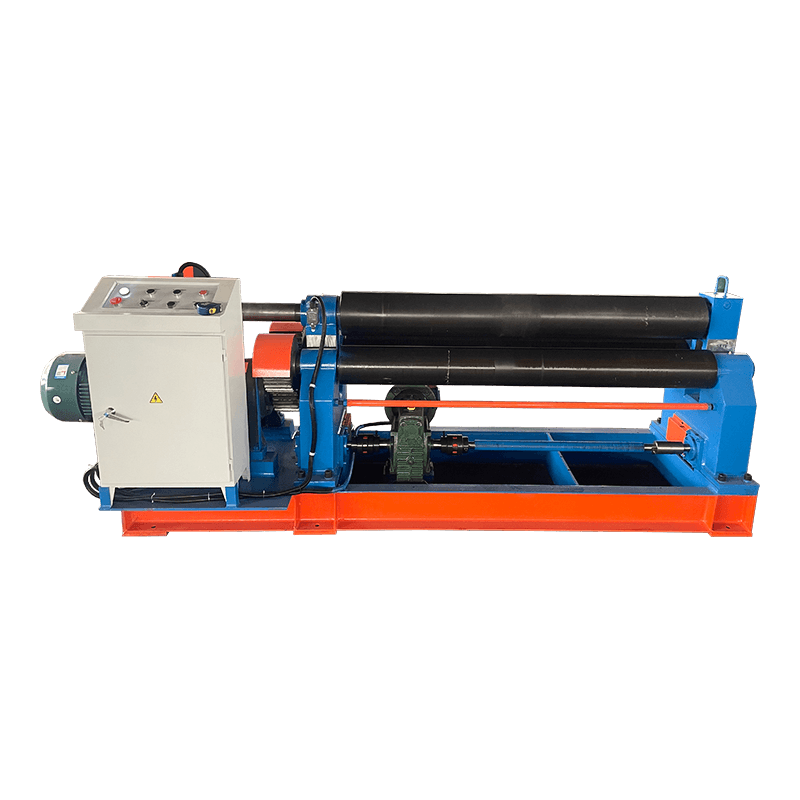
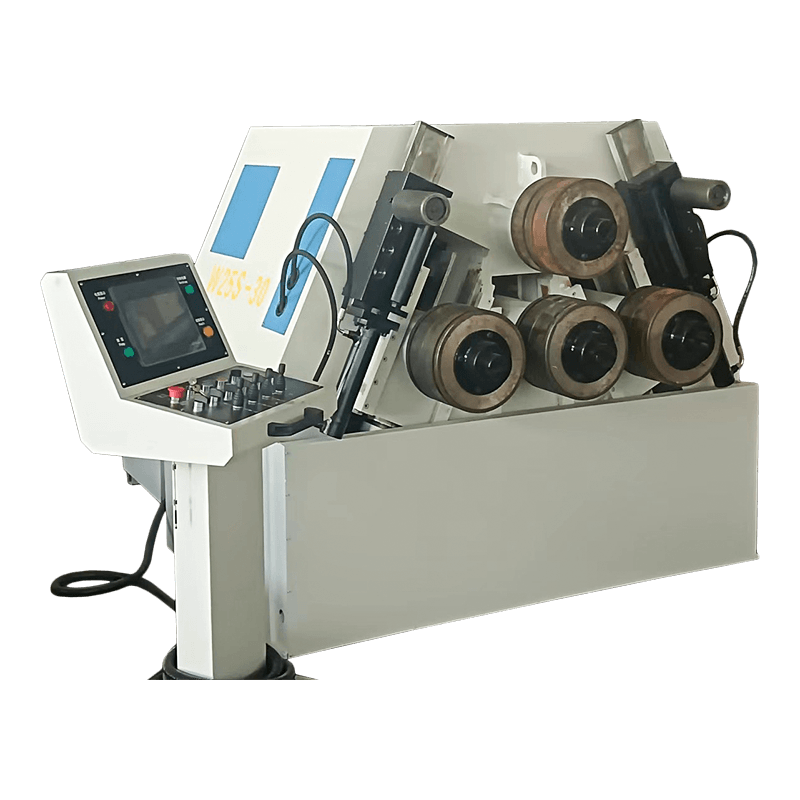
A CNC four roll plate rolling machine automates most of this sequence, using programmed roll positioning to reduce the manual adjustment and trial-and-error passes required on three-roll or manual machines. This automation is one reason CNC systems produce more consistent curvature across long production runs.
Roll configuration is one of the most important specifications to understand before purchasing, since it directly affects pre-bending capability, cycle time, and achievable plate thickness.
| Configuration | Pre-Bending Ability | Best Suited For |
|---|---|---|
| 3-Roll Asymmetric | Limited | General fabrication, moderate plate thickness |
| 4-Roll CNC | Strong, integrated pre-bending | Pressure vessels, precision cylindrical parts |
| Variable Geometry Roll | Moderate to strong | Variable thickness and diameter production |
| Heavy Duty Plate Bender | Machine-dependent | Thick plate structural and shipbuilding components |
An automatic plate rolling machine for pressure vessels typically uses a 4-roll CNC configuration because this design pre-bends both plate edges within the same setup, eliminating the need to reposition the plate for a separate pre-bending pass. A heavy duty steel plate bending machine intended for shipbuilding or structural fabrication, by contrast, prioritizes higher tonnage capacity to handle thicker plate rather than pre-bending convenience alone.
The radar chart below compares CNC-controlled rolling systems against manual and semi-automatic machines across five practical performance factors relevant to fabrication shop operations.
The darker shape represents a CNC plate rolling machine, while the lighter shape represents a manual or semi-automatic system. CNC systems score substantially higher in radius accuracy, repeatability, and cycle speed because programmed roll positioning removes the trial-and-error adjustment that manual operators rely on. Operator skill needed is inverted in this comparison, since manual systems demand significantly more operator experience to achieve consistent results, while CNC systems reduce this dependency through automated control. Setup simplicity favors manual systems slightly for very simple, one-off jobs, though this advantage narrows quickly once production volume or repeat accuracy requirements increase.
This bar chart illustrates general daily output ranges reported across different plate rolling machine types under comparable shift conditions and plate specifications. CNC full-automatic systems typically process more than double the daily volume of manual machines, largely because programmed roll adjustment eliminates repeated manual measurement and stopping between passes. Hydraulic semi-automatic units fall between these two extremes, offering improved throughput over manual operation while still requiring operator input for fine positioning. Facilities with high daily plate volume requirements generally see the strongest return on investment from CNC configurations due to this throughput advantage compounding across a full production shift.
Selecting the correct hydraulic plate rolling machine starts with matching plate thickness, plate width, and target curvature radius to the machine's rated capacity, since exceeding rated limits compromises both accuracy and equipment lifespan.
| Factor | Why It Matters |
|---|---|
| Maximum Plate Thickness | Determines required roll diameter and drive tonnage |
| Plate Width Capacity | Sets the maximum roll length needed for the application |
| Target Curvature Radius | Affects roll configuration choice and pre-bending needs |
| Material Type | Stainless steel and high-strength alloys require higher rated tonnage |
| Control System Level | Determines repeatability and required operator training |
Facilities working primarily with stainless steel should confirm that a plate rolling machine for stainless steel fabrication is rated appropriately, since stainless alloys generally require higher forming force than mild steel of the same thickness due to greater material strength. Reviewing rated plate thickness, roll diameter, and drive tonnage against actual production specifications before ordering helps avoid underpowered equipment that struggles with target material.
When a rolled plate is not coming out round, the most common causes are uneven roll pressure, insufficient pre-bending at the plate edges, or roll misalignment. Checking these three factors in sequence typically resolves most out-of-round issues without requiring a full machine inspection.
It is industrial equipment that bends flat steel plate into curved or cylindrical shapes using rotating rolls under controlled pressure.
Rolls apply progressive pressure as the plate feeds through repeatedly, gradually forming the plate into the target curvature.
Match plate thickness, width, target radius, and material type to the machine's rated capacity and roll configuration.
Size depends on maximum plate thickness and width required for your parts, so review these specifications against machine rated capacity first.
Roll surfaces and hydraulic components should be inspected on a routine schedule, with frequency depending on daily usage intensity.
Uneven roll pressure, insufficient edge pre-bending, or roll misalignment are the most common causes of out-of-round results.
Regular roll calibration, consistent maintenance, and using a CNC-controlled system generally produce the most repeatable accuracy.
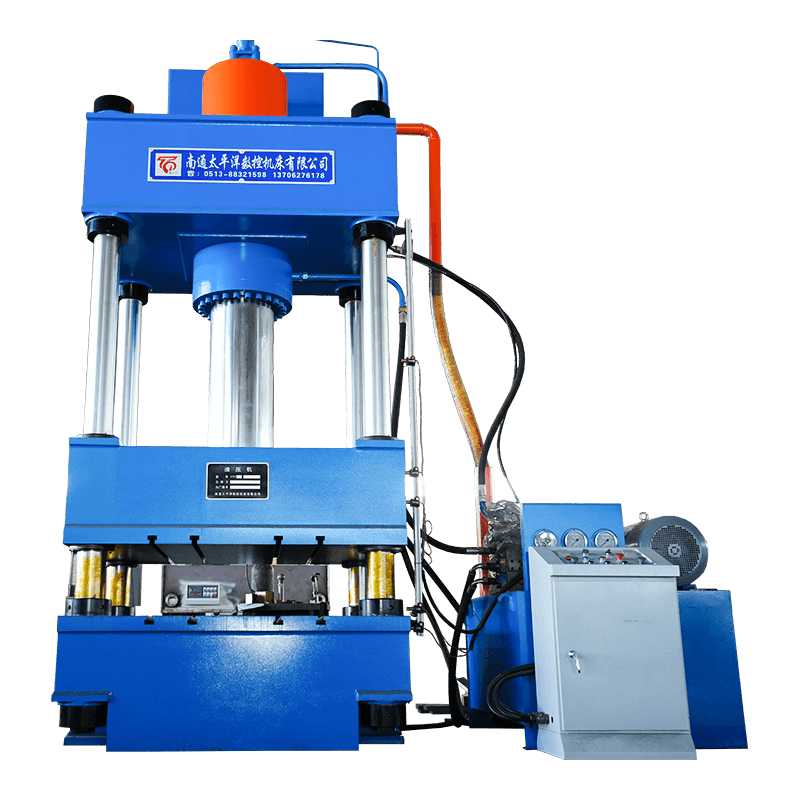
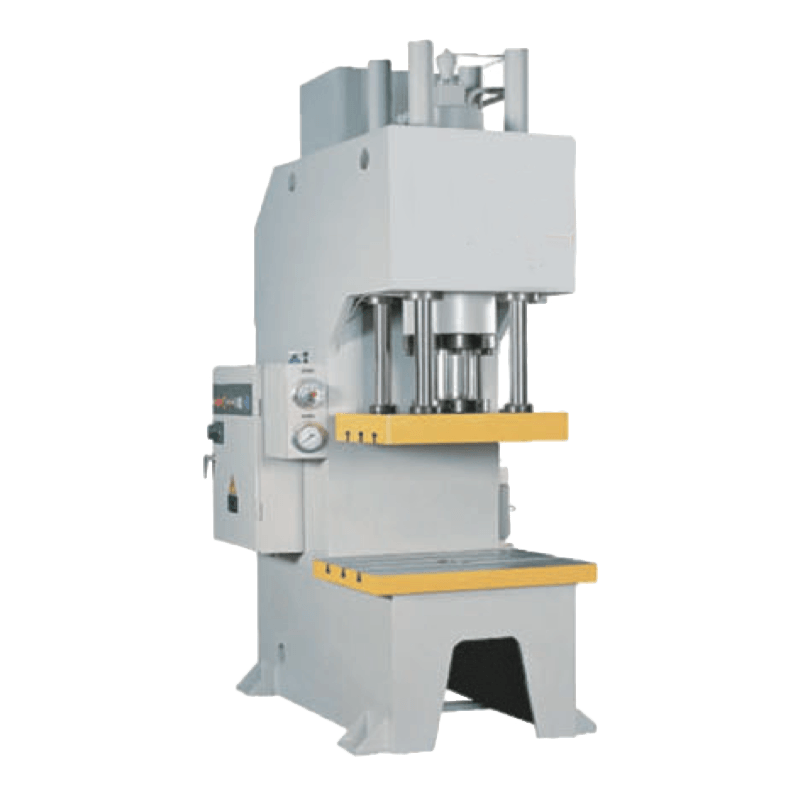
Nantong Pacific CNC Machine Tool Co., Ltd is a key enterprise within the national machinery industry, specializing in shearing machines, bending machines, rolling machines, hydraulic presses, and punching machines used across light industry, aviation, shipbuilding, metallurgy, and construction sectors. The company covers more than 20,000 square meters and maintains full design, development, and manufacturing capability for both standard series products and non-standard custom equipment.
For buyers evaluating a hydraulic steel plate rolling machine manufacturer, an OEM plate rolling machine manufacturer, or a China steel plate rolling machine factory partner, the company has established service branches across multiple regions supporting pre-sale, sale, and after-sales coordination. Whether the requirement is a custom hydraulic rolling machine for specialized forming applications or an industrial plate bending equipment supplier relationship for ongoing production needs, sharing target plate thickness, width, and curvature requirements early in the process supports a more accurate machine recommendation.
Related Products

Contact us
Factory Address
Xichang industrial Park, Chengdong Town, HaianCity, Nantong City, Jiangsu Province, China
Phone
+86-13906278466
products
QR CODE

 English
 русский
 عربى
عربى