Dec 09, 2025
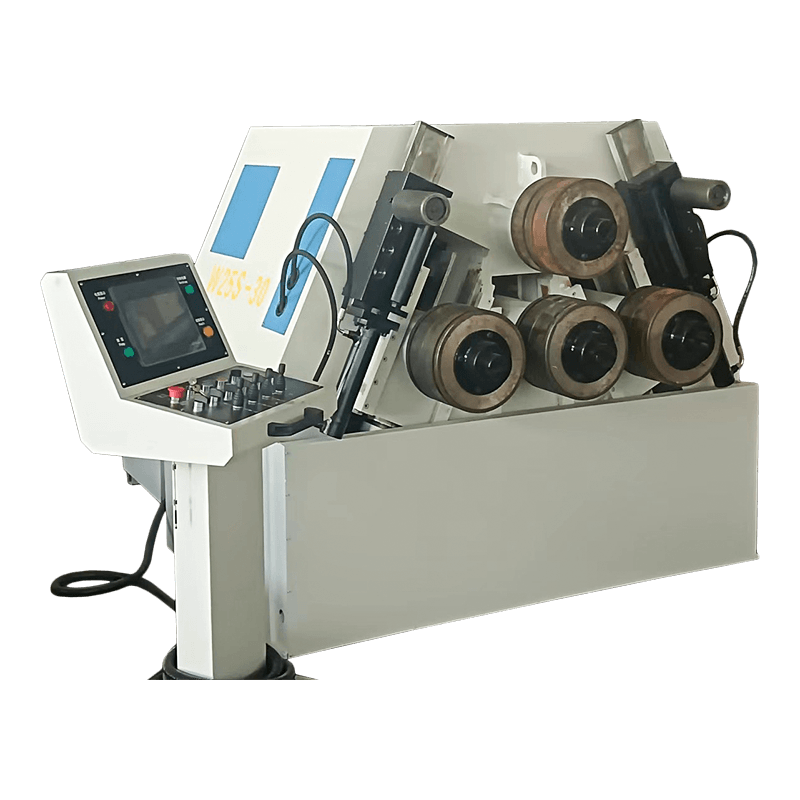
Steel profile bending machines are common equipment in the metal processing industry, widely used in construction, automotive, shipbuilding, and other industries for bending and forming various metal profiles. However, prolonged use and high-intensity work can lead to equipment malfunctions, affecting production efficiency and product quality. Understanding and resolving these common faults can not only extend the service life of the equipment but also improve production efficiency.
1. Equipment does not start or starts with difficulty
Causes of failure:
Power supply problems: The power supply is not connected, the voltage is unstable, or the power cord is damaged, which may prevent the bending machine from starting normally.
Control system failure: The control panel or operating buttons are faulty, preventing signals from being transmitted to the execution part.
Overload protection activation: The equipment is overloaded, and the automatic overload protection device is activated, preventing it from starting.
Solutions:
Check the power connection: Ensure that the power socket and power cord are properly connected, and the voltage meets the equipment requirements. If necessary, check the current of the power system.
Check the control system: Check the control panel and buttons to ensure there is no damage or poor contact. If necessary, the control system can be reset.
Check the overload protection device: Check if the equipment is overloaded, and adjust the load to restore normal operation. If the equipment has been used under overload conditions for a long time, it may be necessary to consider replacing it with a higher-power device.
2. Uneven bending or low accuracy
Causes of failure:
Misalignment of upper and lower dies: The upper and lower dies are not aligned, resulting in uneven force on the steel profile during the bending process.
Material problems: The quality of the steel profile used is substandard or the material is uneven, leading to inconsistent bending results.
Hydraulic system problems: The hydraulic system pressure is unstable, unable to maintain a stable bending force, thus affecting accuracy.
Improper operation: The operator did not set or adjust according to the standard operating procedures, resulting in low bending accuracy.
Solutions:
Adjust die alignment: Regularly check and adjust the alignment accuracy of the upper and lower dies to ensure that the steel profile is subjected to even force during the bending process.
Use qualified steel: Ensure that the steel profile used meets the quality standards, and avoid using defective or uneven materials that may affect the bending effect.
Check the hydraulic system: Regularly check the oil pressure of the hydraulic system to ensure it is within the normal range. Check for leaks or damage in components such as the oil pump and oil pipes. Operator Training: Regular training is provided to operators to ensure they are familiar with equipment operating requirements and solutions to common problems, improving operating accuracy.
3. Hydraulic System Oil Leakage
Causes of Failure:
Aging or damaged seals: Seals such as O-rings and gaskets in the hydraulic system age or become damaged, leading to hydraulic oil leakage.
Damaged hydraulic lines: Hydraulic pipes may be damaged, corroded, or have loose connections, resulting in oil leakage.
Poor quality or contaminated hydraulic oil: The hydraulic oil contains impurities or has aged, leading to poor oil circulation and leakage.
Solutions:
Replace seals: Regularly check the condition of O-rings, gaskets, and other components, and replace aging or damaged seals promptly to prevent oil leakage.
Inspect hydraulic lines: Check hydraulic pipes for cracks, corrosion, or looseness, ensuring tight connections, and replace damaged pipes if necessary.
Replace hydraulic oil: Regularly check the quality of the hydraulic oil. If the oil is too dirty or aged, replace it with new hydraulic oil and clean the inside of the hydraulic system.
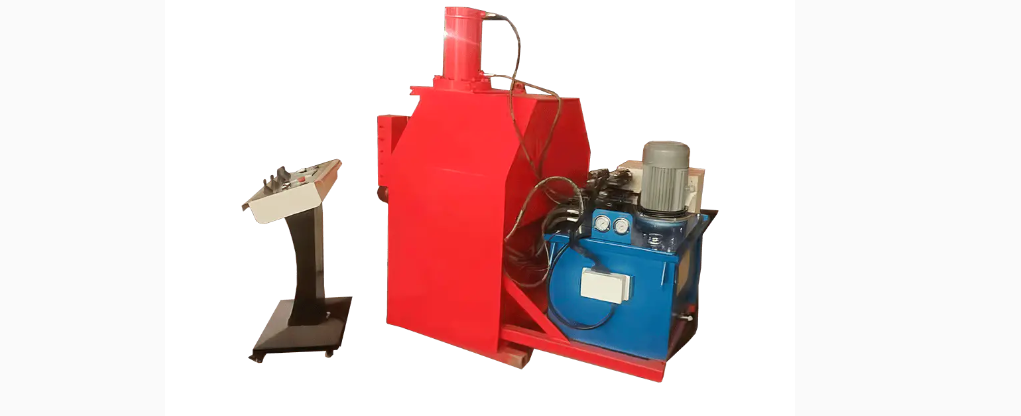
4. Sticking or inability to rotate during bending
Causes of Failure:
Mechanical component wear: After prolonged use, internal components such as gears and bearings wear out, leading to rough mechanical operation and sticking.
Insufficient lubrication: The moving parts of the equipment lack sufficient lubrication, resulting in excessive friction and causing sticking or inability to rotate properly.
Foreign objects: During equipment operation, metal shavings, debris, etc., enter the mechanical parts, causing jamming.
Solutions:
Inspect and replace worn parts: Regularly inspect the gears, bearings, couplings, and other mechanical components of the equipment. Replace severely worn parts promptly to maintain smooth operation.
Regular lubrication: Ensure that the moving parts of the equipment have sufficient lubricating oil or grease, especially on heavily loaded parts such as gears and bearings.
Remove foreign objects: Check the inside of the equipment for metal shavings or debris, and clean the work area to prevent foreign objects from interfering with normal equipment operation.
5. Equipment Overheating
Causes of Failure:
Cooling system failure: The cooling system malfunctions, leading to excessively high internal temperatures and affecting normal operation. Prolonged high-load operation: The equipment operates under high load for extended periods, and overloading generates excessive heat.
Motor problems: A damaged or malfunctioning motor can cause the equipment to overheat and prevent proper heat dissipation.
Solutions:
Check the cooling system: Regularly check the equipment's cooling system to ensure that the cooling water or oil flow is normal, the radiator is not blocked, and clean the cooling system promptly.
Avoid prolonged overloading: Rationally arrange production tasks to avoid prolonged operation of the equipment under high load; use higher-powered equipment if necessary.
Check the motor: Check the motor's operation. If the motor overheats, repair or replace it promptly.
6. Excessive Noise
Causes of failure:
Loose parts: Some parts of the equipment (such as screws, bearings, etc.) are loose, causing abnormal noise during operation.
Poor lubrication: Insufficient lubrication increases metal friction and generates noise.
Damaged gears or bearings: Damaged gears or bearings in the equipment can increase noise and, in severe cases, affect the normal operation of the equipment.
Solutions:
Check for loose parts: Regularly check all parts of the equipment for looseness, and tighten screws and parts promptly to reduce vibration and noise.
Increase lubrication: Ensure that the moving parts of the equipment receive sufficient lubrication to reduce friction and noise.
Related Products

Contact us
Factory Address
Xichang industrial Park, Chengdong Town, HaianCity, Nantong City, Jiangsu Province, China
Phone
+86-13906278466
products
QR CODE

 English
 русский
 عربى
عربى