Dec 16, 2025
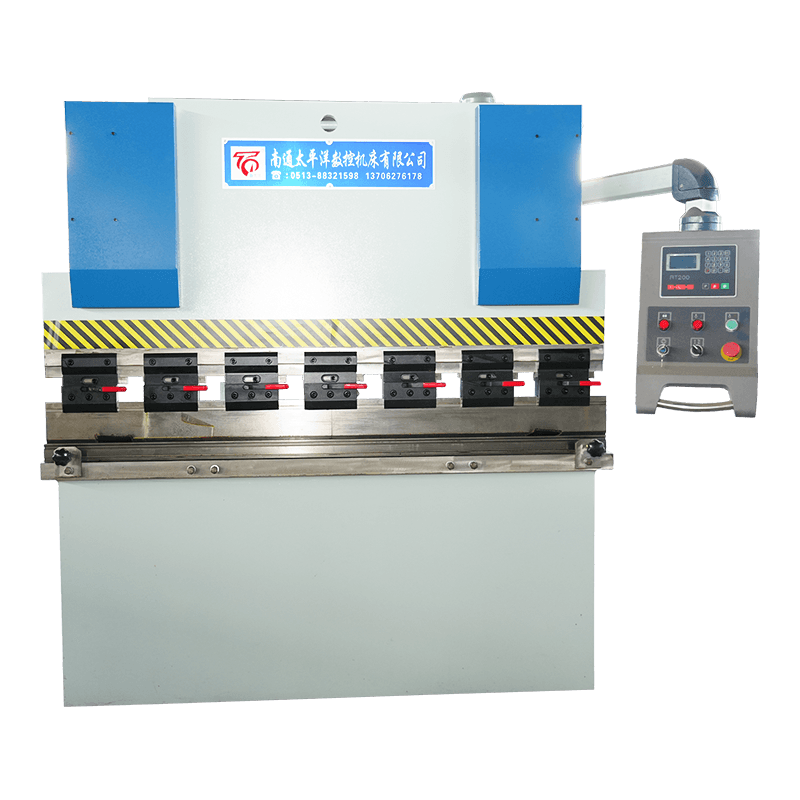
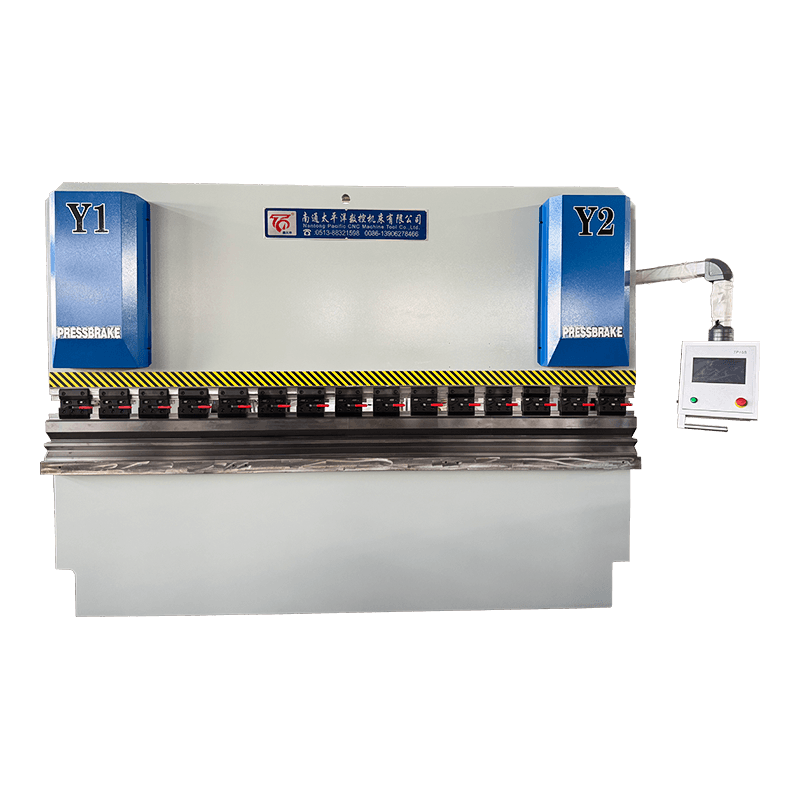
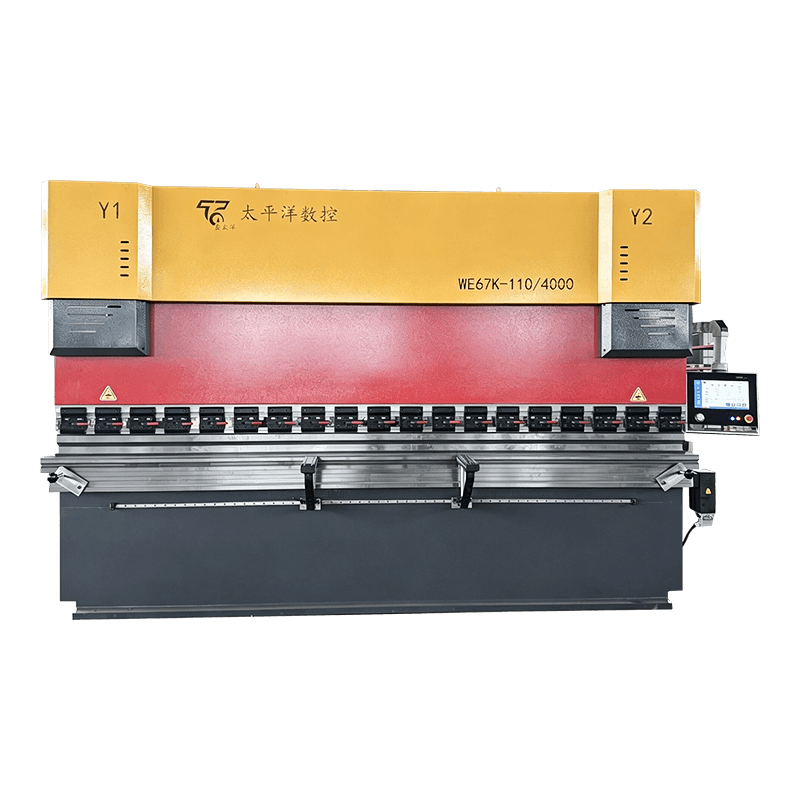
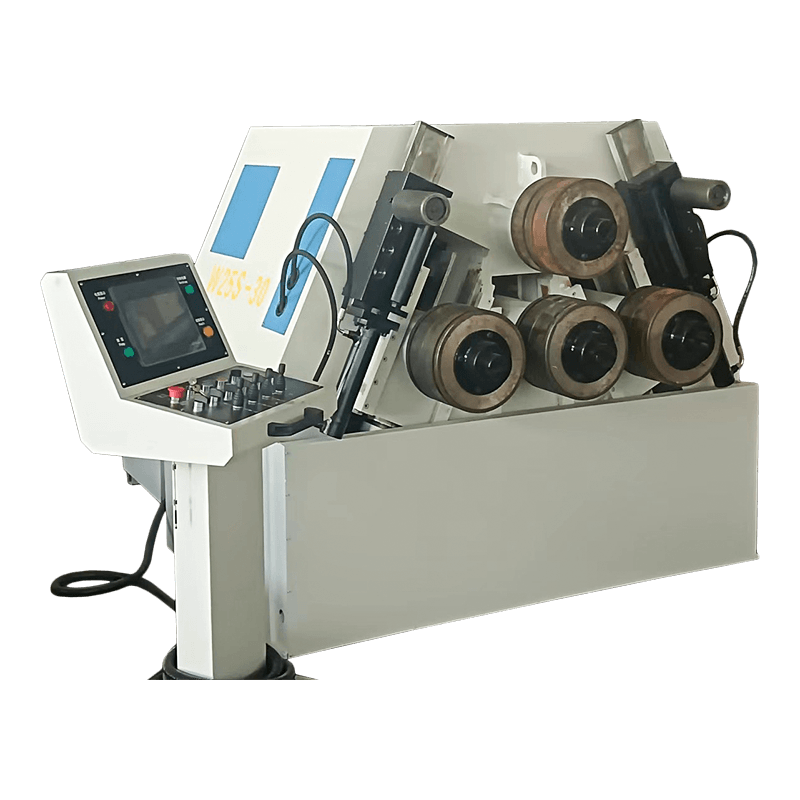
CNC plate bending machines are one of the most crucial pieces of equipment in the modern sheet metal processing industry, playing a vital role in manufacturing. They control bending angles and speeds through a computer numerical control (CNC) system and are widely used in the processing of various metal sheets, such as in automotive manufacturing, construction, and home appliance industries. Choosing the right CNC plate bending machine can not only improve production efficiency and reduce failure rates but also optimize product quality and lower production costs.
This article will guide you on how to choose the right CNC plate bending machine.
1. Working Table Length and Bending Capacity
When choosing a CNC plate bending machine, the first thing to consider is the working table length and bending capacity. This directly relates to whether the equipment can handle your sheet metal size and bending depth.
Working table length: Different models of CNC plate bending machines have significantly different working table lengths. When choosing, you need to ensure that the working table length of the equipment can accommodate your commonly used sheet metal sizes. A working table that is too small will not be able to accommodate larger sheets, affecting production efficiency.
Bending capacity: Each CNC plate bending machine has a limited bending capacity. Bending capacity is generally expressed in tons (TON). The higher the tonnage, the thicker the sheet metal that can be bent. Based on your needs, choose the appropriate bending capacity to ensure that the equipment maintains efficient and stable bending performance even under high load conditions.
2. Functionality and Ease of Operation of the CNC System
The CNC system is the "brain" of the CNC plate bending machine, directly affecting its ease of operation and processing accuracy. There are many types of CNC systems on the market, including common brands such as Delem and Fanuc. When choosing, pay attention to the following points:
Functionality: Ensure that the CNC system has sufficient functions, such as automatic positioning, angle control, and bending depth adjustment, to meet complex production needs.
Ease of operation: The operating interface of the CNC system should be simple and intuitive, minimizing operational difficulty. Especially for beginners, choosing a system that is easy to operate and learn is crucial.
Fault diagnosis and maintenance functions: An efficient CNC system should have fault diagnosis functions, providing timely feedback when problems occur, reducing repair and downtime.
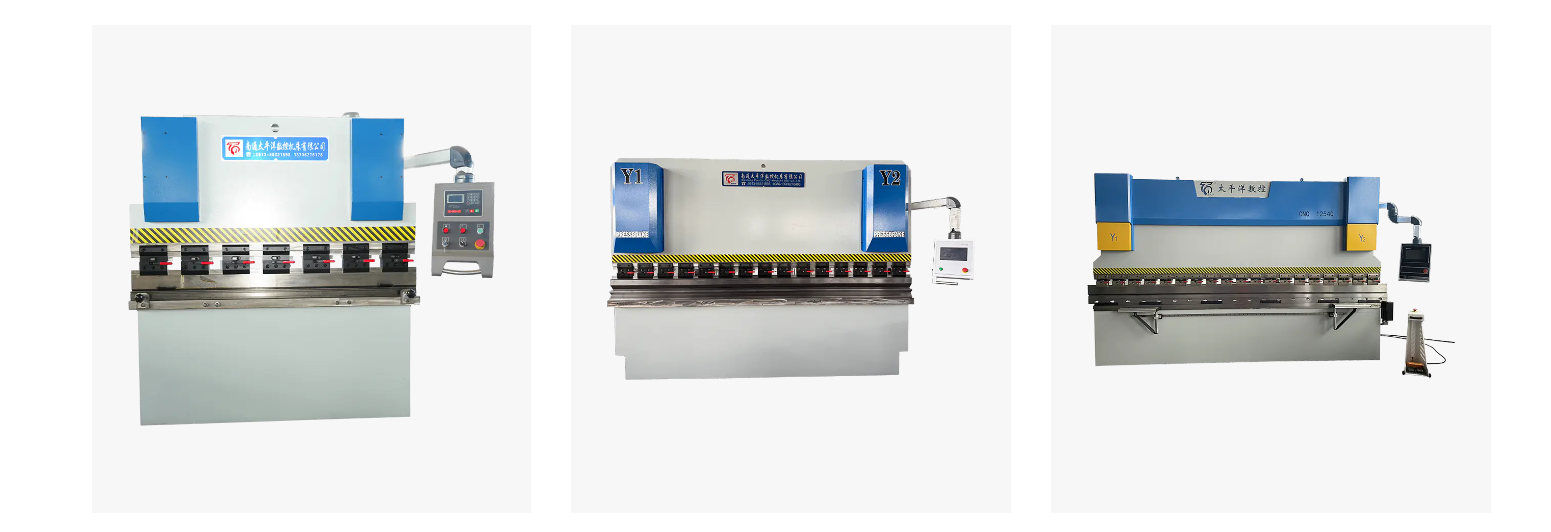
3. Hydraulic System and Bending Accuracy
The hydraulic system of a CNC bending machine plays a crucial role in the stability and accuracy of the equipment. The hydraulic system determines the uniformity of pressure output and the load-bearing capacity of the equipment, thus affecting the quality of bending.
Hydraulic system pressure stability: When selecting a machine, pay attention to the stability and control accuracy of the hydraulic system. A high-quality hydraulic system ensures uniform pressure during the bending process, effectively avoiding deformation and errors.
Bending accuracy: The accuracy of a CNC bending machine directly affects product quality. When choosing a machine, ensure that the hydraulic system works in conjunction with other components to guarantee bending accuracy.
4. Electrical System and Automation Level
Modern CNC bending machines are equipped with highly automated electrical control systems, which can significantly improve processing accuracy and production efficiency. When making a selection, the following aspects should not be overlooked:
Electrical system stability: The electrical control system should have high stability and durability, capable of withstanding long periods of high-load operation. Choosing electrical components from reputable brands can effectively improve system stability and safety.
Automation level: Modern CNC bending machines are increasingly focusing on automation technology, such as automatic feeding and automatic loading/unloading systems. Choosing the appropriate automation configuration based on actual needs can reduce manual operation and improve production efficiency.
5. Machine Structure and Materials
The structural design of a CNC bending machine directly affects the equipment's service life, stability, and safety. A good structural design should have the following characteristics:
Machine body material: When selecting a machine, pay attention to the strength and durability of the machine body material. High-quality steel structures can effectively withstand greater pressure, ensuring the long-term stability of the equipment.
Structural rigidity: The better the rigidity of the equipment, the less deformation occurs during bending, and the higher the bending accuracy. When choosing a machine, pay attention to the rigidity design of the machine tool to avoid unstable accuracy due to unreasonable structure.
Related Products

Contact us
Factory Address
Xichang industrial Park, Chengdong Town, HaianCity, Nantong City, Jiangsu Province, China
Phone
+86-13906278466
products
QR CODE

 English
 русский
 عربى
عربى