Dec 23, 2025
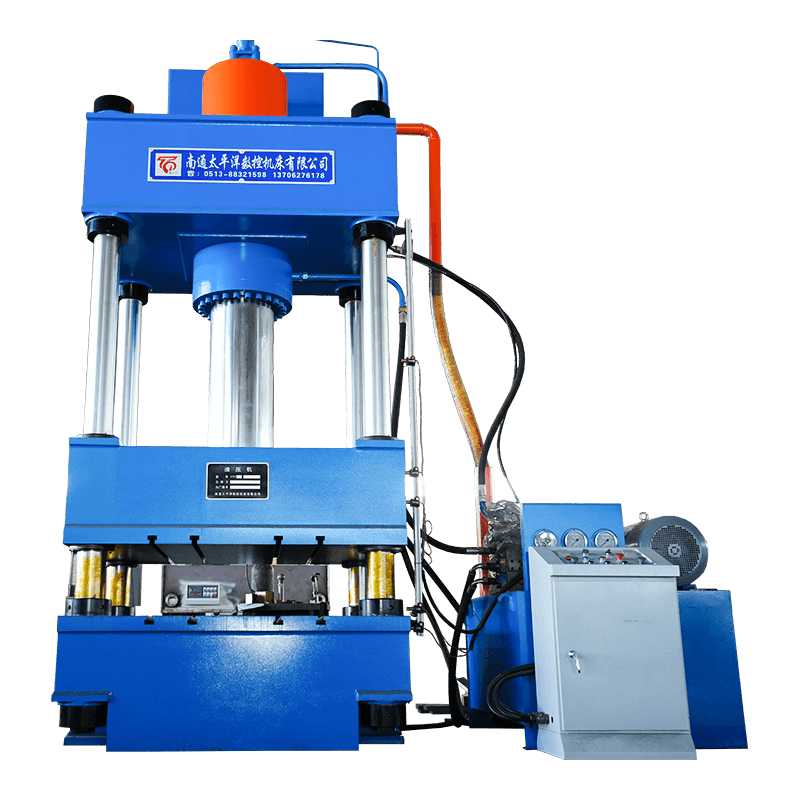
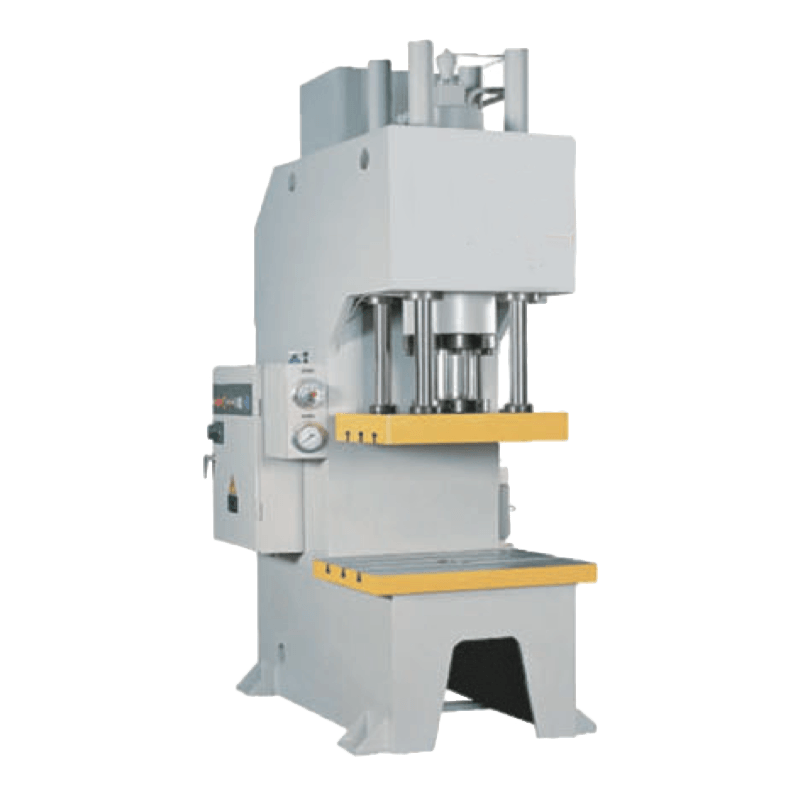
Hydraulic presses are commonly used in industrial production and are widely applied in processes such as metal forming, pressing, punching, and bending. The performance of a hydraulic press directly affects production efficiency and product quality. However, in actual operation, many users encounter the problem of insufficient pressure in their hydraulic presses, which not only reduces work efficiency but may also affect product accuracy and even cause equipment damage.
This article will analyze the common causes, diagnostic methods, and solutions for insufficient pressure in hydraulic presses, helping companies and operators scientifically maintain their hydraulic presses and ensure stable production.
1. Symptoms of Insufficient Pressure in Hydraulic Presses
Insufficient pressure in a hydraulic press usually manifests in the following ways:
Slow or insufficient force in the hydraulic cylinder
The pressure does not reach the set value, resulting in incomplete forming or punching of the workpiece.
Unstable cylinder movement
The hydraulic press shakes or lags during loading, unable to maintain stable pressure.
Pressure gauge reading is lower than the set value
Even after adjusting the system, the pressure cannot reach the standard working pressure.
Abnormal pump noise or increased hydraulic oil temperature
Indicates that the system pressure cannot be established normally or the oil flow is insufficient.
These symptoms often indicate problems in the hydraulic system, requiring timely troubleshooting.
2. Main Causes of Insufficient Pressure in Hydraulic Presses
Insufficient pressure in a hydraulic press can be caused by various factors, mainly divided into three categories: hydraulic system, hydraulic components, and operating factors.
(1) Hydraulic Oil Problems
Hydraulic oil is the core medium for the normal operation of a hydraulic press, and its quality and condition directly affect pressure generation.
Inappropriate oil viscosity
Too low viscosity: Prone to leakage, leading to insufficient pressure.
Too high viscosity: Increases the workload of the hydraulic pump, and pressure builds up slowly.
Contaminated or deteriorated hydraulic oil
Impurities block oil passages, valve ports, or filters, leading to a pressure drop.
Oxidation and deterioration of the oil, resulting in emulsification or foaming, will also reduce pressure stability.
Insufficient oil volume
Low oil level in the tank can cause the pump to draw in air, forming cavitation, and preventing pressure from being established.
(2) Hydraulic Pump and Motor Problems
The hydraulic pump is a key component in the pressure generation of a hydraulic press.
Pump wear or aging seals
Increased internal leakage leads to a decrease in output pressure. High-load, long-term operation can exacerbate wear and affect pressure stability.
Insufficient pump flow
Insufficient pump speed or flow output will prevent the pressure from reaching the set value.
Air ingress into the pump or leakage at the pump outlet
Air mixed into the system will produce pulsating pressure, resulting in insufficient pressure.
(3) Hydraulic valve failure
Hydraulic valves are used to control the direction, pressure, and flow of oil. Valve body problems can also lead to insufficient pressure.
Improper relief valve setting
If the relief valve pressure setting is too low, it will release pressure prematurely, preventing the cylinder from reaching the target pressure.
Directional valve or check valve sticking or leaking
Wear or blockage of the valve core leads to oil bypass or insufficient pressure.
Pressure control valve damage
The valve cannot accurately control the system pressure, resulting in pressure fluctuations.
(4) Cylinder and piping problems
Cylinder seal wear or damage
Severe internal or external leakage prevents pressure buildup, resulting in sluggish cylinder movement.
Piping oil leakage or loose connections
This leads to a decrease in system pressure; although the pump is working, the pressure cannot be transmitted to the actuators.
Piping blockage
Impurities or deposits block the oil circuit, resulting in insufficient flow and pressure.
(5) Operating factors
Operating errors
Adjusting the relief valve pressure too low, or the oil pump not starting at the rated speed.
Excessive load
If the workpiece hardness or size exceeds the equipment's design load capacity, insufficient pressure will occur.
3. Troubleshooting methods for insufficient hydraulic press pressure
The following steps can be used to troubleshoot insufficient hydraulic press pressure:
Check the hydraulic oil condition
Confirm the oil type, viscosity, and oil level.
Check whether the oil quality is contaminated or deteriorated, and replace the hydraulic oil regularly.
Check the hydraulic pump
Observe whether the pump's operating noise and pressure output are normal.
Measure the pump flow and pressure to determine if the pump is worn or leaking.
Check the hydraulic valves
Confirm that the relief valve, directional valve, and pressure control valve settings are correct.
Check whether the valve core is stuck or has internal leakage.
Check the cylinder and piping
Check whether the cylinder seals are intact and whether there is internal or external leakage.
Check whether the piping is leaking, loose, or blocked.
Check operating conditions
Confirm whether the load exceeds the equipment's design capacity. Check if the operating procedures are standardized and if the overflow valve and pump settings are correct.
4. Solutions for Insufficient Hydraulic Press Pressure
Depending on the cause, the following solutions can be adopted:
Hydraulic Oil Problem Handling
Replace the hydraulic oil with one of suitable viscosity and performance.
Clean the oil tank and filter element regularly to keep the oil clean.
Ensure sufficient oil volume to prevent the pump from drawing in air.
Hydraulic Pump Maintenance
Replace worn or aged pumps and seals.
Check the pump flow rate and speed to ensure they meet the rated requirements.
Eliminate air intake or leakage problems in the pump.
Hydraulic Valve Adjustment or Replacement
Adjust the overflow valve pressure to the design value.
Clean or replace directional valves and pressure valves to ensure smooth oil flow.
Cylinder and Pipeline Repair
Replace seals and repair cylinder leaks.
Tighten connectors, replace damaged pipelines, and clear pipeline blockages.
Standardized Operation
Train operators to use the hydraulic press according to operating procedures.
Avoid overloading and ensure the equipment operates within the rated pressure range.
Insufficient hydraulic press pressure is a common problem in industrial production, which may be caused by hydraulic oil, pump, valves, cylinders, pipelines, or operational factors. Through systematic troubleshooting, adjustment, and maintenance, the problem of insufficient pressure can be effectively solved, ensuring the stable operation of the hydraulic press.
Related Products

Contact us
Factory Address
Xichang industrial Park, Chengdong Town, HaianCity, Nantong City, Jiangsu Province, China
Phone
+86-13906278466
products
QR CODE

 English
 русский
 عربى
عربى