Jan 01, 2026
Plate shearing machines are commonly used equipment in the metal processing industry, widely applied in the shearing of metal materials such as steel plates and aluminum plates. As a high-precision mechanical device, plate shearing machines may experience some faults or performance degradation during long-term use. Understanding common faults and their solutions, and taking appropriate maintenance measures, can effectively extend the service life of the plate shearing machine and improve production efficiency.
1. Common Plate Shearing Machine Faults and Solutions
When using a plate shearing machine, you may encounter the following common faults. The solution to each fault is very important; correct maintenance can greatly extend the service life of the plate shearing machine.
(1) Uneven or poor cutting quality
Reasons:
Severe blade wear.
Improper setting of the gap between the blade and the blade holder.
Uneven material or uneven material thickness.
Insufficient cutting pressure or hydraulic system failure.
Solutions:
Regularly check the wear of the blades and sharpen or replace them as needed.
Adjust the blade gap to meet the requirements of the processed material.
Ensure the flatness of the material; this can be solved by adjusting the material support frame.
Check the hydraulic system, ensure that the system pressure is normal, and replace the hydraulic oil.
(2) Blade jammed or unable to cut
Reasons:
Blade rusted or foreign objects jammed.
Excessive blade wear, losing cutting ability.
Hydraulic system failure, insufficient pressure.
Solutions:
Regularly clean the blades and keep the blade surface lubricated.
Check the hydraulic system to ensure stable oil pressure.
Replace damaged blades and select tools suitable for the material.
(3) Excessive machine vibration or noise
Reasons:
Unstable foundation, incorrect equipment installation position.
Loose or damaged equipment components.
Hydraulic system oil contamination or oil circuit blockage.
Solutions:
Check and adjust the installation foundation of the plate shearing machine to ensure that the equipment is placed stably.
Tighten all loose screws and connectors of the equipment, and replace damaged parts if necessary.
Clean the hydraulic system, check whether the oil circuit is unobstructed, and replace contaminated oil.
(4) Hydraulic System Failure
Cause Analysis:
Hydraulic oil is dirty or the oil level is insufficient.
Hydraulic pump is damaged or leaking.
Hydraulic pipes are aging or poorly connected.
Solution:
Regularly check the hydraulic oil, keep the oil clean, and replace the oil promptly.
Check the working condition of the hydraulic pump, repair or replace damaged parts.
Regularly check the hydraulic pipes to ensure there are no leaks, and replace them if necessary.
(5) Electrical System Failure
Cause Analysis:
Electrical wiring is aging or short-circuited.
Control panel malfunction.
Overload or unstable current.
Solution:
Regularly check the electrical wiring and replace aging or damaged cables promptly.
Check the working condition of the control panel and switches, and repair or replace faulty parts.
Protect the electrical system, avoid overloading, and ensure stable power voltage.
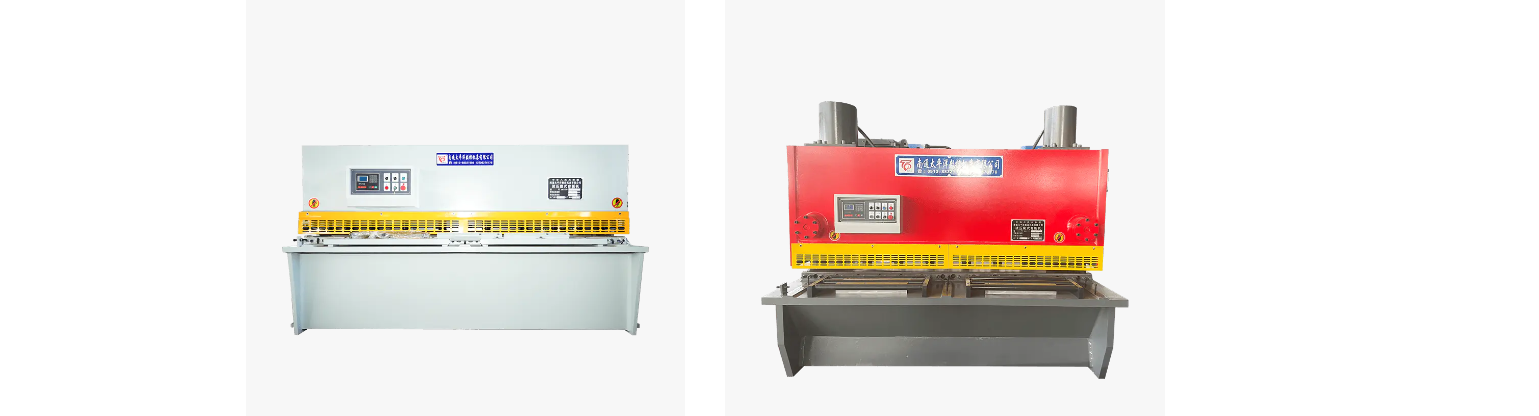
2. How to extend the service life of the shearing machine?
In addition to timely repair of malfunctions, regular maintenance and upkeep are crucial for extending the service life of the shearing machine. Here are some simple and effective maintenance suggestions:
(1) Regular cleaning and lubrication
The blades, guide rails, hydraulic system, and other components of the shearing machine need regular cleaning and lubrication. Cleaning prevents dust and debris from entering the equipment, reducing wear. Lubrication helps reduce friction and ensures smooth operation. Cleaning and lubrication are especially important after high-load work.
(2) Maintaining the normal operation of the hydraulic system
The hydraulic system is a core component of the shearing machine. Regularly check the quality of the hydraulic oil, maintain the appropriate oil level, and avoid oil contamination. During use, if unstable oil pressure or abnormal operation is detected, it should be dealt with promptly to prevent more serious equipment damage.
(3) Blade maintenance
Blade wear directly affects the cutting quality, so regularly checking the condition of the blades is very important. If the blades show excessive wear or cracks, they should be sharpened or replaced promptly. Using appropriate blade materials and precision also helps extend the service life of the blades.
(4) Regularly check the electrical system
The stability of the electrical system is crucial for the normal operation of the shearing machine. Regularly check the electrical wiring to ensure that the connections are not loose and there are no short circuits. For the control panel, regularly check the buttons and displays to ensure they are working properly.
(5) Prevent Overloading
Prolonged operation of the shearing machine under heavy load will accelerate equipment wear and reduce its service life. Therefore, reasonably scheduling the equipment's working and rest times, and avoiding continuous long-term overloading, can effectively extend the equipment's service life.
Common Plate Shearing Machine Faults Table:
| Fault Type | Possible Causes | Solutions |
| Uneven or Poor Cutting Quality | Worn-out blades, improper blade gap, uneven material, hydraulic system issues | Regularly check blades, adjust blade gap, clean materials, check hydraulic system |
| Blade Jamming or Inability to Cut | Rusty blades or foreign objects, worn-out blades, hydraulic system failure | Clean blades, lubricate blades, check hydraulic system, replace blades |
| Excessive Vibration or Noise | Unstable installation, loose parts, hydraulic system issues | Adjust installation foundation, tighten parts, check hydraulic system |
| Hydraulic System Failure | Contaminated hydraulic oil, low oil level, damaged hydraulic pump, aging pipes | Replace hydraulic oil, check hydraulic pump, clean oil lines |
| Electrical System Failure | Aging electrical wiring, control panel failure, overload or unstable current | Inspect electrical wiring, replace damaged components, protect electrical system |
Related Products

Contact us
Factory Address
Xichang industrial Park, Chengdong Town, HaianCity, Nantong City, Jiangsu Province, China
Phone
+86-13906278466
products
QR CODE

 English
 русский
 عربى
عربى