Jan 08, 2026
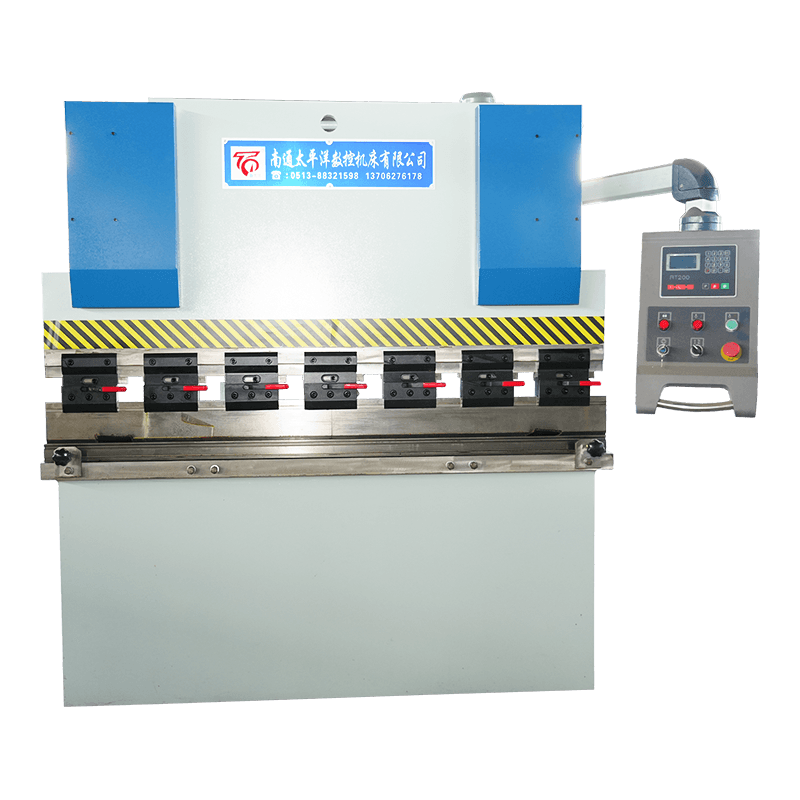
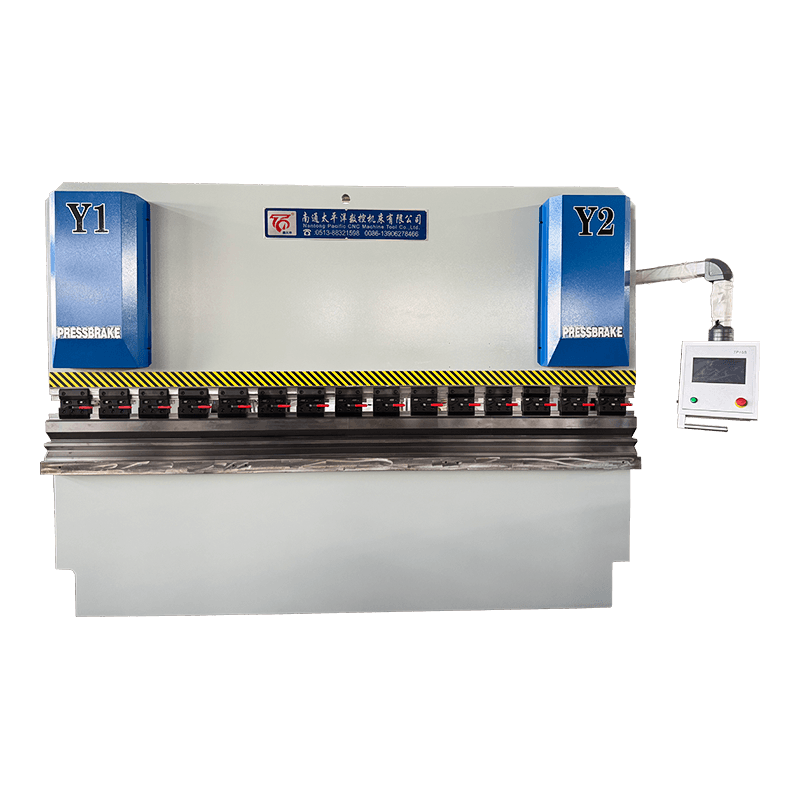
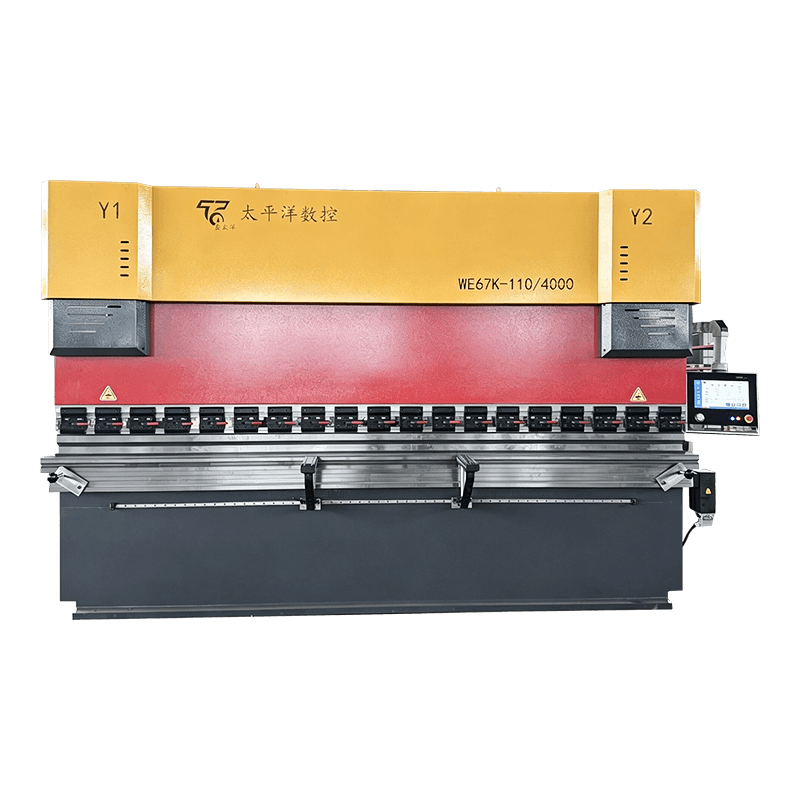
In the sheet metal processing industry, product structures are becoming increasingly complex, and precision requirements are constantly increasing. Traditional manual or semi-automatic bending methods can no longer meet the production needs of high efficiency and high consistency. CNC plate bending machines, with their high degree of automation and stable processing accuracy, have gradually become important equipment for sheet metal processing enterprises. So, what are the advantages of CNC plate bending machines in sheet metal processing?
1. High processing accuracy and good product consistency
CNC plate bending machines precisely control bending angles, positions, and strokes through a CNC system, effectively reducing human error. Whether it's small-batch, multi-variety production or large-batch repetitive processing, it can maintain highly consistent bending accuracy. This is especially important for products such as chassis, cabinets, distribution cabinets, and sheet metal enclosures that have high requirements for size and appearance.
Compared with traditional bending equipment, CNC plate bending machines have greater advantages in repetitive positioning and angle control, which helps to improve overall product quality.
2. Improved production efficiency
CNC plate bending machines can complete multiple bending processes through pre-programmed settings, reducing the time spent on manual measurement, adjustment, and repeated calibration. One operator can complete the work that previously required multiple skilled workers, significantly increasing output efficiency per unit of time.
In situations with tight order deadlines and fast production cycles, CNC plate bending machines can effectively shorten the processing cycle and improve the company's delivery capabilities and market responsiveness.
3. Simplified operation and reduced reliance on manual labor
Traditional bending processing relies heavily on the operator's experience, while CNC plate bending machines use a human-machine interface for parameter input and program calling, making the operation process more standardized. Even operators with relatively little experience can complete most bending tasks after basic training.
This not only reduces the reliance on highly skilled workers but also helps companies maintain stable production even with high employee turnover.
4. Adaptability to complex sheet metal structure processing
As sheet metal product structures become increasingly complex, multi-angle and multi-edge designs are becoming more common. CNC plate bending machines can complete the bending of complex shapes through multi-axis control and flexible programming, reducing the need for secondary processing or rework. For customized products or non-standard sheet metal parts, the flexibility advantage of CNC bending machines is particularly evident.
5. Reducing overall production costs
Although the initial investment in CNC bending machines is relatively high, in the long run, the savings in labor costs, rework rates, and material waste are significant. High-precision processing reduces scrap due to errors, and high-efficiency production lowers the manufacturing cost per unit product.
From an overall operational perspective, CNC bending machines help enterprises achieve better cost control.
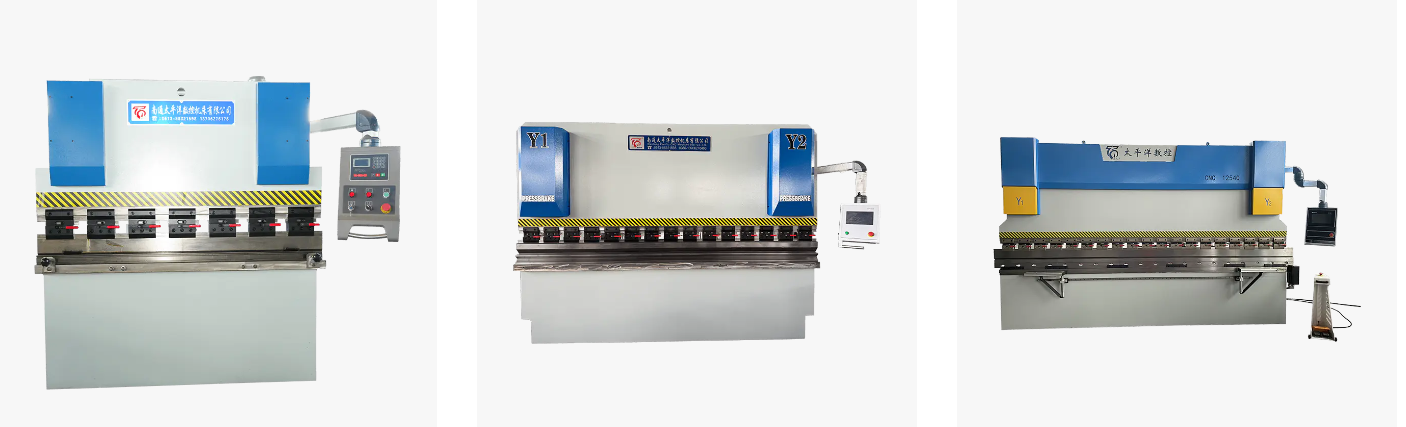
6. Comparison with traditional bending methods
The following table provides a brief comparison of the differences between CNC bending machines and traditional bending methods in sheet metal processing:
| Comparison Item | CNC Folding Machine | Traditional Folding Equipment |
| Processing accuracy | High, stable repeatability | Easily affected by manual operation |
| Production efficiency | High, high level of automation | Relatively low |
| Operation difficulty | Program-based operation, easy to learn | Highly dependent on operator experience |
| Adaptability to complex workpieces | Strong, suitable for multi-bend structures | Limited |
| Product consistency | Good, stable in batch production | Prone to variation |
The advantages of CNC plate bending machines in sheet metal processing are reflected in several aspects, including high precision, high efficiency, simplified operation, and strong adaptability. For sheet metal processing companies that pursue high quality, high efficiency, and stable delivery, CNC plate bending machines are no longer just an option for equipment upgrades, but an important tool for improving overall production levels and market competitiveness.
Related Products

Contact us
Factory Address
Xichang industrial Park, Chengdong Town, HaianCity, Nantong City, Jiangsu Province, China
Phone
+86-13906278466
products
QR CODE

 English
 русский
 عربى
عربى