Jul 16, 2026
Core Decision Framework
Choosing the right press brake for your workshop is one of the most consequential equipment decisions you will make. The global press brake market is projected to grow from USD 8.2 billion in 2025 to USD 11.9 billion by 2032, at a CAGR of 5.5%, driven by the increasing demand for precision metal forming in automotive, aerospace, and construction industries.
This guide provides a systematic, data-driven approach to selecting a CNC plate bending machine or CNC press brake that matches your production requirements, budget, and growth plans. We will cover the critical parameters — from tonnage and bed length to control systems, tooling, and energy efficiency — and back every recommendation with industry benchmarks and real-world examples.
Key Takeaway: The average payback period for a modern CNC press brake is 2 to 3 years when properly selected, thanks to reduced setup times, improved accuracy, and lower scrap rates.
Whether you are a small job shop or a large manufacturing facility, understanding these selection criteria will help you avoid costly mistakes and ensure that your sheet metal bending machine delivers maximum return on investment.
Content
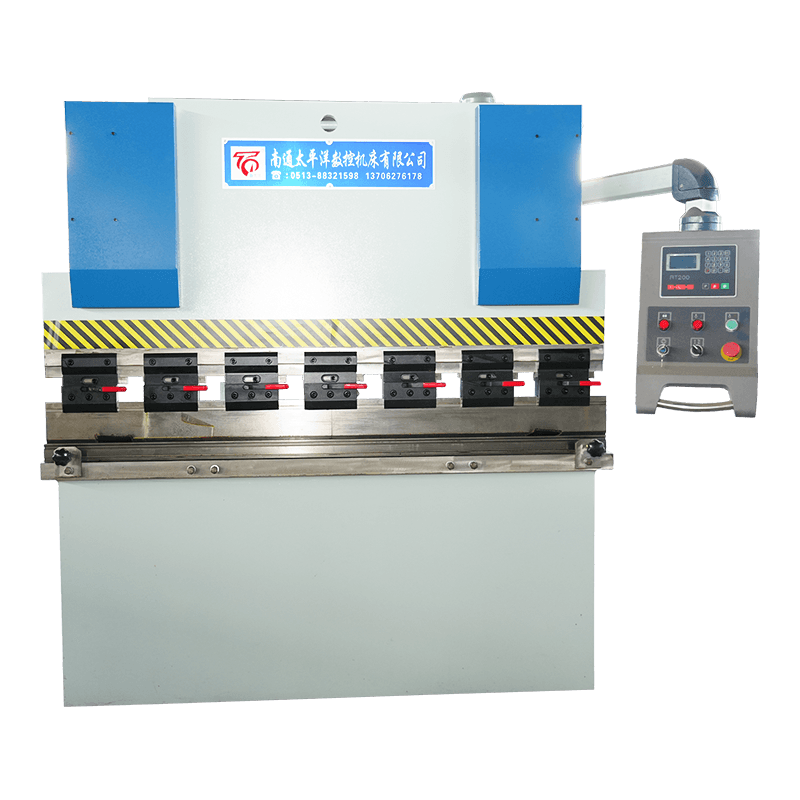
A press brake is a machine tool used to bend sheet metal and plate material, typically steel, aluminum, or stainless steel. The machine applies force to a workpiece using a punch and die set, creating a predetermined bend angle. Hydraulic press brakes have been the industry standard for decades, but servo press brakes and electric press brakes are gaining market share due to their energy efficiency and precision.
The two main types of press brake machines are:
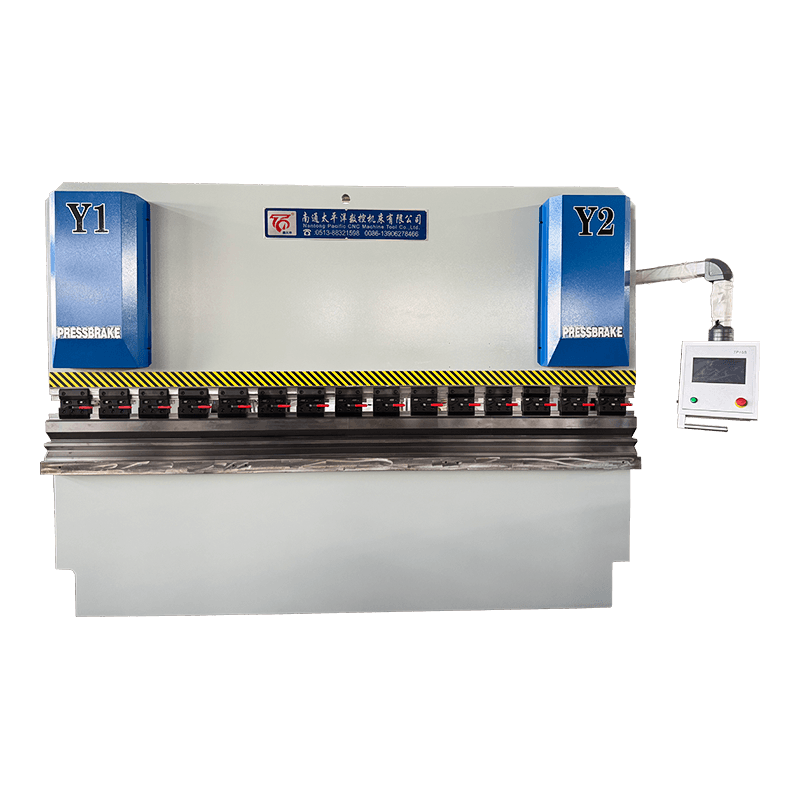
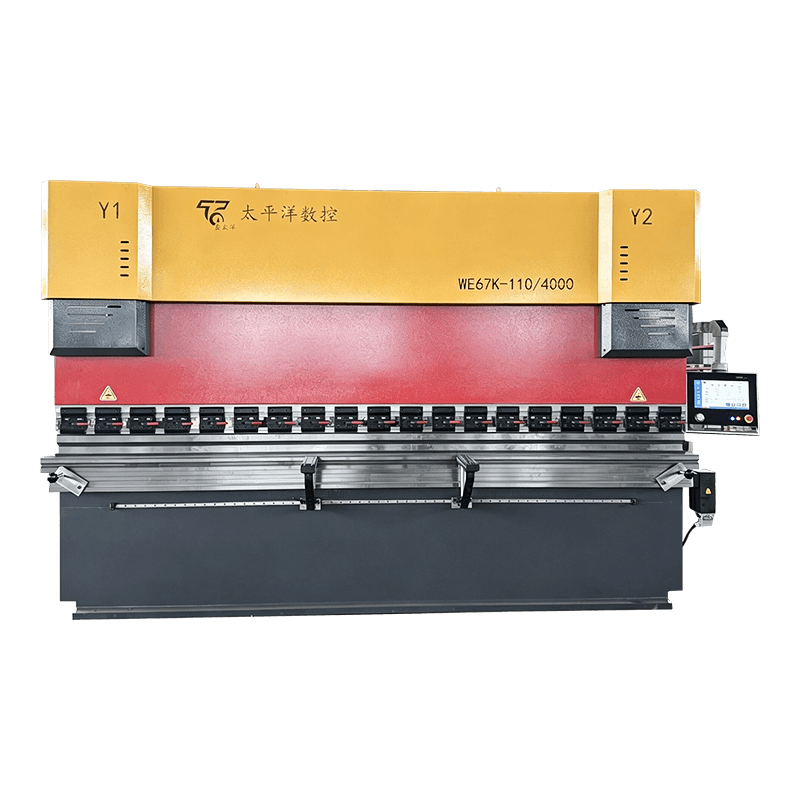
A CNC press brake integrates computer numerical control to automate the backgauge and ram positioning, enabling complex, repeatable bends with minimal setup time. Modern CNC plate bending machines can achieve bend accuracy of ±0.01 mm over the entire bending length.
The most fundamental specification is the machine's bending force, measured in tons. Tonnage determines the thickness and length of material you can bend. A common rule of thumb is that bending 1 meter of 1 mm mild steel requires approximately 10 tons of force. However, actual tonnage depends on the material type, tensile strength, and the V-die opening used.
To select the right tonnage, calculate the maximum bending force you will need using the formula:
Tonnage = (Material Thickness × Material Length × Tensile Strength) / (Die Opening × Constant)
For practical purposes, most workshops choose a press brake with a tonnage 20-30% higher than their current maximum requirement to accommodate future needs and prevent overloading the machine.
Industry Data: According to a 2025 survey of metal fabricators, 63% of shops reported that insufficient tonnage was the primary reason for outsourcing bending work, highlighting the importance of choosing adequate capacity.
The bed length (also called working length) determines the maximum length of the workpiece you can bend. Standard lengths range from 1.5 meters (5 feet) to 6 meters (20 feet) or more. When choosing a press brake machine, consider both your current and future part sizes.
It is advisable to select a machine with a bed length at least 500 mm longer than your largest anticipated part to accommodate tooling offsets and allow for multi-bend operations. For workshops that handle a variety of part sizes, a CNC press brake with a segmented die system offers flexibility to bend shorter parts without requiring full-length tooling.
Practical Example: A fabrication shop producing automotive panels up to 3 meters long would typically choose a press brake with a 4-meter bed length, allowing for tooling clearance and future expansion.
The control system is the brain of the CNC plate bending machine. It determines the machine's accuracy, repeatability, and ease of programming. Options range from simple manual controls to advanced CNC press brake controllers with touchscreen interfaces, 3D simulation, and offline programming capabilities.
According to a 2025 productivity study, CNC press brakes with advanced controls reduce setup time by up to 70% compared to conventional hydraulic machines, and improve first-part accuracy by over 50%.
Press brake tooling consists of the punch (upper tool) and die (lower tool) used to form the bend. The choice of tooling affects the achievable bend angles, corner radii, and the ability to perform complex shapes. Key considerations include:
According to a 2025 tooling efficiency report, shops that invest in segmented tooling and quick-clamp systems reduce setup time by up to 60% and increase machine utilization by 25%.
With rising energy costs, the press brake’s energy consumption has become a significant selection criterion. Hydraulic press brakes consume energy continuously to maintain hydraulic pressure, while servo-electric press brakes only draw power during the bending stroke.
A typical CNC press brake with servo technology can reduce energy consumption by 50% to 70% compared to a conventional hydraulic machine of similar tonnage. Over a machine's lifespan (typically 15-20 years), this translates to substantial savings. Additionally, servo machines have lower oil requirements and reduced noise levels, improving the workshop environment.
Energy Cost Example: A 150-ton hydraulic press brake consumes approximately 15-20 kWh per hour of operation. At an average industrial electricity rate of USD 0.12/kWh, the annual electricity cost (2 shifts, 4,000 hours) can exceed USD 9,600. A servo-electric equivalent would reduce this cost by over 60%.
For many applications, the CNC press brake's ability to produce consistent, accurate bends is the most important factor. Accuracy is typically specified as ±0.01 mm for high-end machines, while standard machines may offer ±0.05 mm. Repeatability — the ability to reproduce the same bend across multiple parts — is equally critical.
Key factors affecting accuracy include:
Industry Requirement: In the aerospace industry, bend angle tolerances are often as tight as ±0.5 degrees, requiring a CNC press brake with automatic angle measurement and correction systems.
A press brake is a powerful machine that poses significant risks to operators. Modern machines incorporate multiple safety systems:
When evaluating press brake machines, always verify that the machine complies with regional safety standards (e.g., EN 12622 for Europe, ANSI B11.3 for the USA). A well-equipped machine with advanced safety features not only protects operators but also reduces liability and downtime.
The reliability of your CNC plate bending machine depends not only on its build quality but also on the manufacturer's support network. Before purchasing, evaluate:
Nantong Pacific CNC Machine Tool Co., Ltd exemplifies a supplier with a strong service network, having established branches in multiple major Chinese cities and a global export presence to Southeast Asia, Europe, and the Americas.
The modern press brake is increasingly integrated into smart manufacturing ecosystems. Features to consider include:
According to a 2025 automation survey, shops that adopted automated press brake systems reported a 40% increase in overall equipment effectiveness (OEE) and a 50% reduction in setup-related downtime.
The purchase price of a press brake is just one component of its total cost of ownership (TCO). A comprehensive TCO analysis should include:
A well-chosen CNC press brake typically provides a payback period of 2 to 4 years through improved efficiency and reduced labor costs. Higher initial investment in a servo-electric or fully automated machine often yields faster payback due to lower energy and maintenance costs.
ROI Example: A job shop upgrading from a manual hydraulic press brake to a CNC press brake with quick-change tooling reduced setup time from 45 minutes to 8 minutes per job. Over 500 jobs per year, this saved over 300 hours of setup time, translating to USD 15,000 in annual labor savings.
The choice of manufacturer is as important as the machine specifications. When evaluating CNC press brake suppliers and CNC plate bending machine manufacturers, consider:
A reliable CNC press brake manufacturer will provide detailed specifications, performance data, and references from existing customers. Visiting the factory, if possible, can give you a firsthand look at their production capabilities and quality control processes.
The following table summarizes the key differences between the two main press brake technologies to help you decide which is best for your workshop.
| Characteristic | Hydraulic Press Brake | Servo-Electric Press Brake |
|---|---|---|
| Tonnage Range | 20 – 2,000+ tons | 20 – 400 tons (typically) |
| Energy Consumption | High (continuous pump operation) | Low (energy on demand) |
| Accuracy | ±0.02 – 0.05 mm | ±0.01 – 0.02 mm |
| Speed | Moderate | High (fast approach and return) |
| Noise Level | Moderate to High | Low |
| Maintenance | Hydraulic oil changes, seal replacement | Minimal (no hydraulic oil) |
| Typical Cost | Lower initial investment | Higher initial investment |
| Best For | High tonnage, heavy plate bending | Precision, high-speed, energy-conscious shops |
About Nantong Pacific CNC Machine Tool Co., Ltd
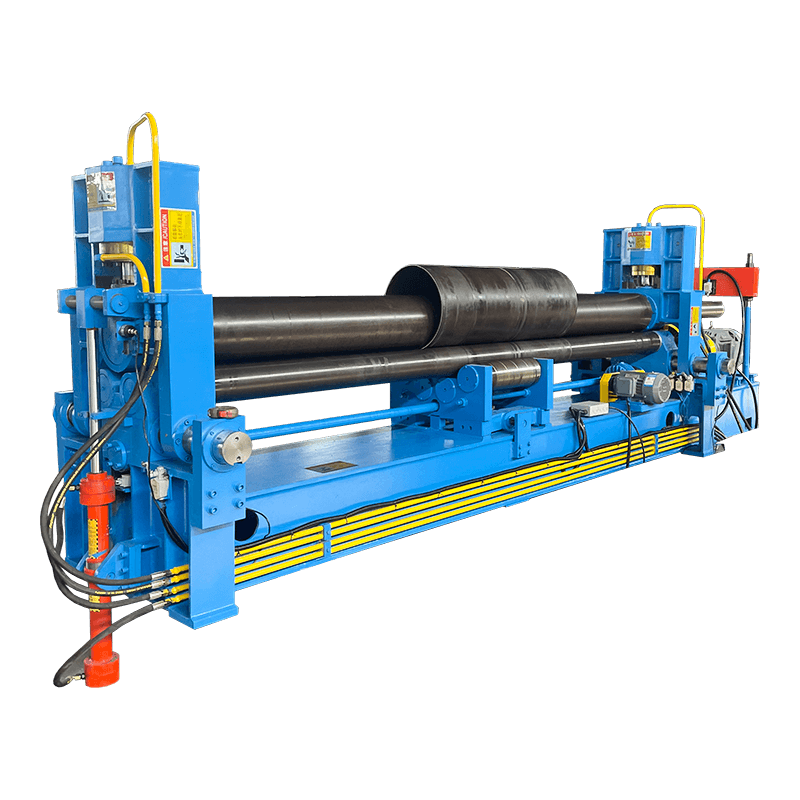
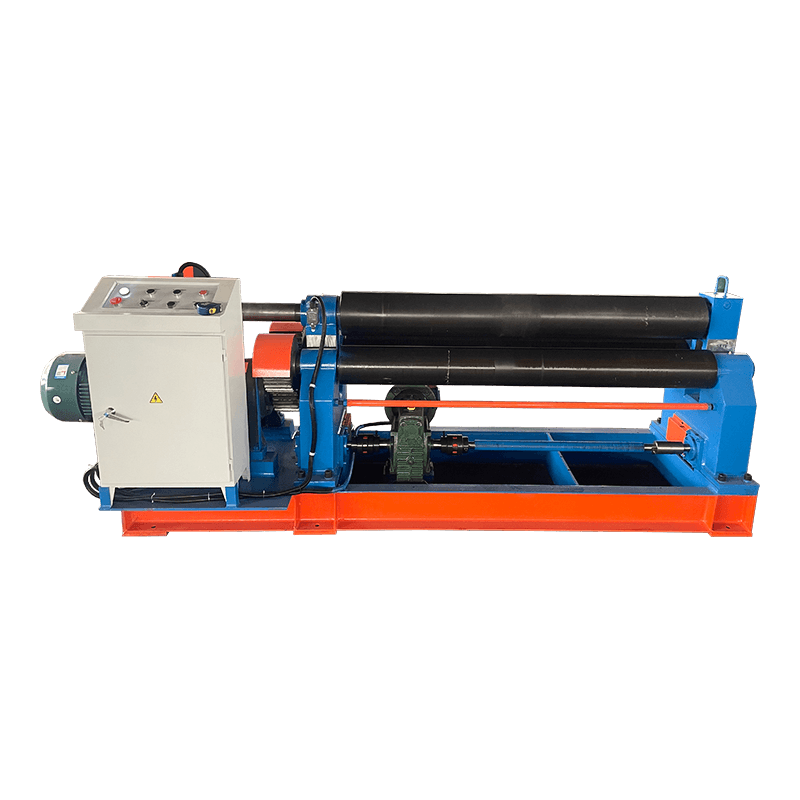
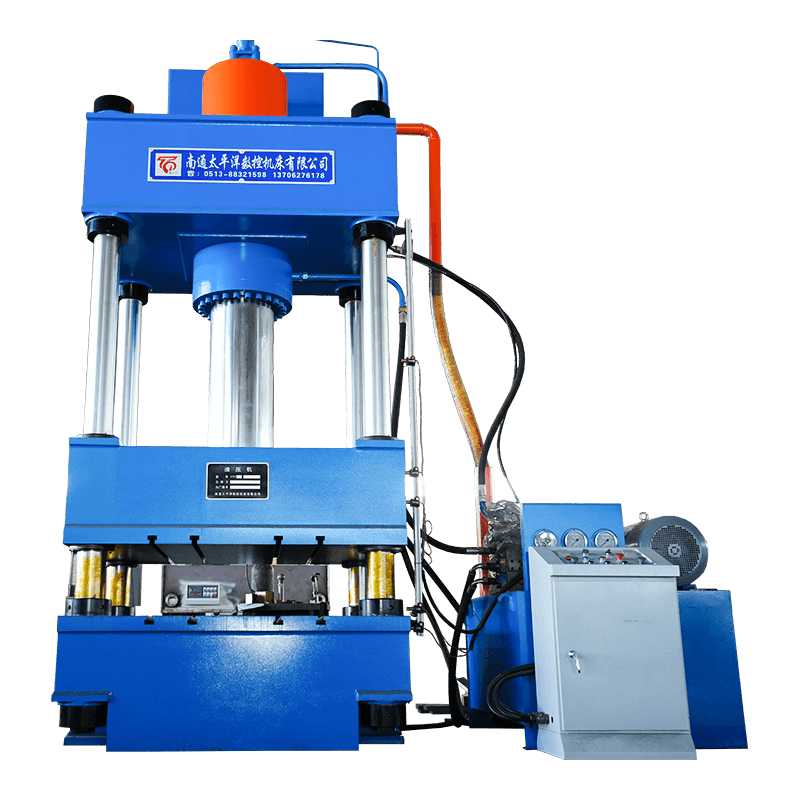
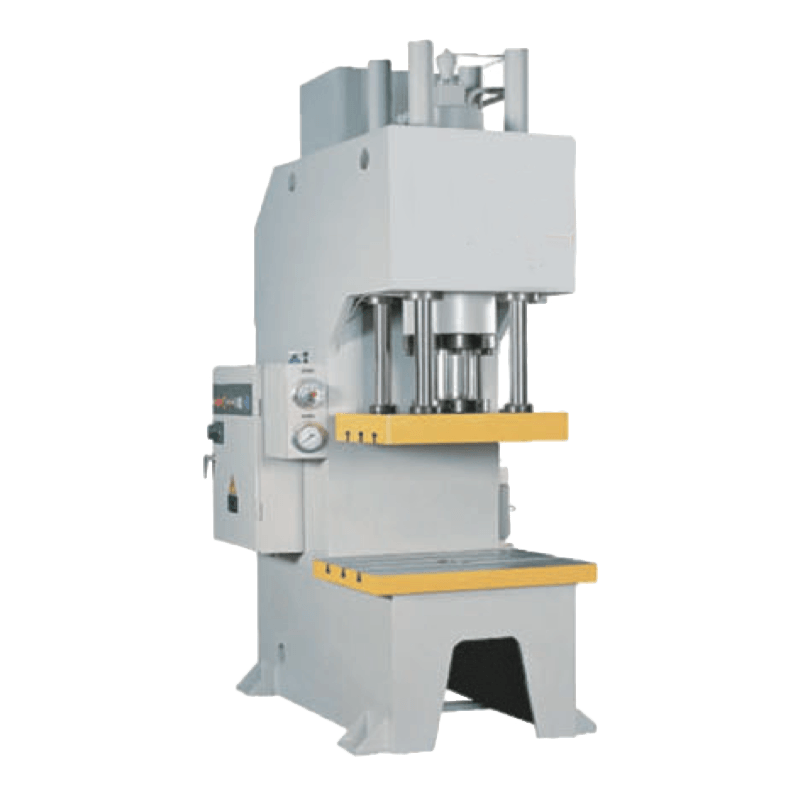
Nantong Pacific CNC Machine Tool Co., Ltd is a key enterprise of the national machinery industry, located in the Haian Economic and Technological Development Zone. The company specializes in the production of shearing machines, bending machines, rolling machines, hydraulic presses, and punching machines, serving a wide range of industries including light industry, aviation, shipbuilding, metallurgy, instrumentation, electrical appliances, stainless steel products, and construction and decoration.
As a professional China CNC plate bending machine manufacturer and CNC press brake supplier, the company possesses comprehensive design, development, and manufacturing capabilities for both standard and non-standard equipment. The company covers an area of over 20,000 square meters and employs a team of experienced engineers and technicians.
Pacific Machine Tools' products are sold throughout China and exported to Southeast Asia, Europe, the United States, and the Middle East. The company has established a comprehensive sales and after-sales service network with branches in Beijing, Tianjin, Shenyang, Shandong, Zhejiang, Guangzhou, Shanghai, Hangzhou, Chengdu, Xi'an, and Jiangsu, ensuring prompt support for customers nationwide.
All market data, statistics, and research references cited in this article are sourced from publicly available industry reports, market analysis documents, and company production data as of 2025–2026.
Related Products

Contact us
Factory Address
Xichang industrial Park, Chengdong Town, HaianCity, Nantong City, Jiangsu Province, China
Phone
+86-13906278466
products
QR CODE

 English
 русский
 عربى
عربى