May 07, 2026
The direct answer: a Hydraulic Bending Machine delivers high bending force at a lower entry point and is well suited for heavy-gauge metal fabrication, structural components, and production environments where consistent high tonnage is the priority. A CNC bending machine adds programmable precision, automated back-gauge control, and multi-step bending sequences on top of hydraulic power — making it the better choice when part complexity, repeatability across large production runs, or tight angular tolerances are required. For many shops, the question is not which technology is superior, but which configuration matches current production demands and planned growth. This article provides a complete, practical comparison to help you decide.
Content
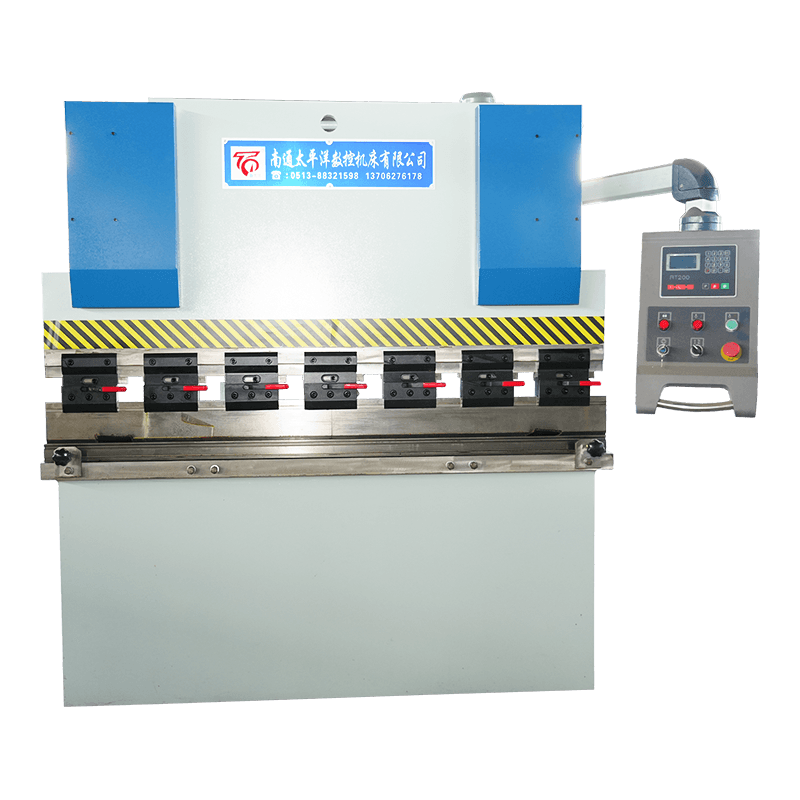
A Hydraulic Metal Bending Machine uses a hydraulic cylinder system driven by a pump and motor to apply downward force to a punch, pressing sheet metal or structural sections against a die to form a precise bend. The hydraulic circuit converts fluid pressure into mechanical force, allowing these machines to generate bending tonnages ranging from 40 tonnes to over 3,000 tonnes depending on the configuration.
In a conventional hydraulic press brake, the operator manually sets the ram depth (which controls bend angle), the back-gauge position (which determines bend location), and the bending speed. Most modern hydraulic machines include an electro-hydraulic servo system for more consistent ram positioning, but programming complex multi-bend sequences still requires skilled operator input at the machine.
Hydraulic Sheet Bending Equipment is widely used in industries including shipbuilding, structural steelwork, HVAC fabrication, agricultural equipment manufacturing, and general metalworking — wherever raw bending power and durability are the primary requirements.
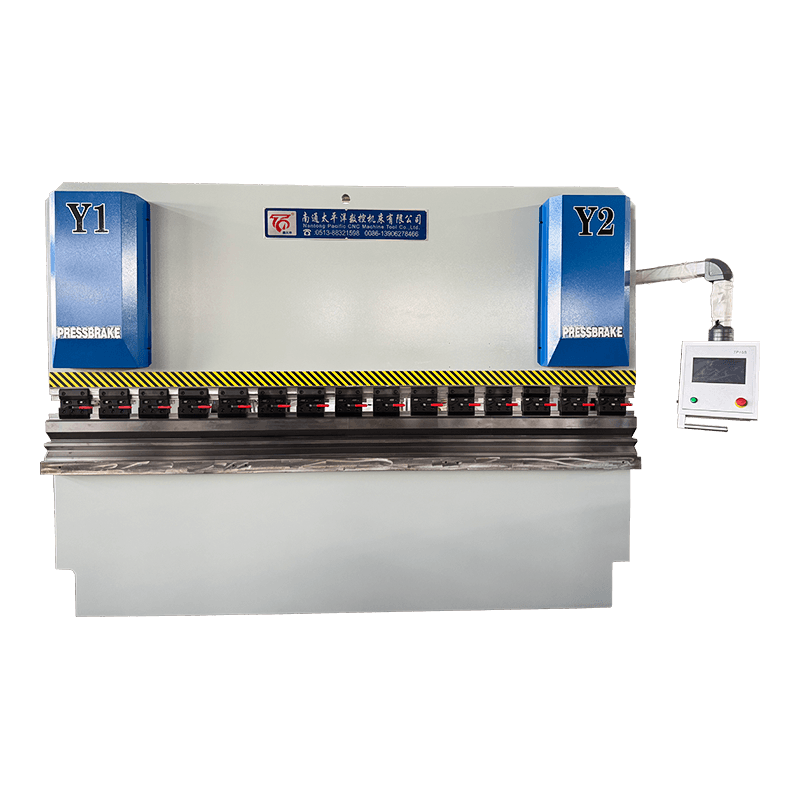
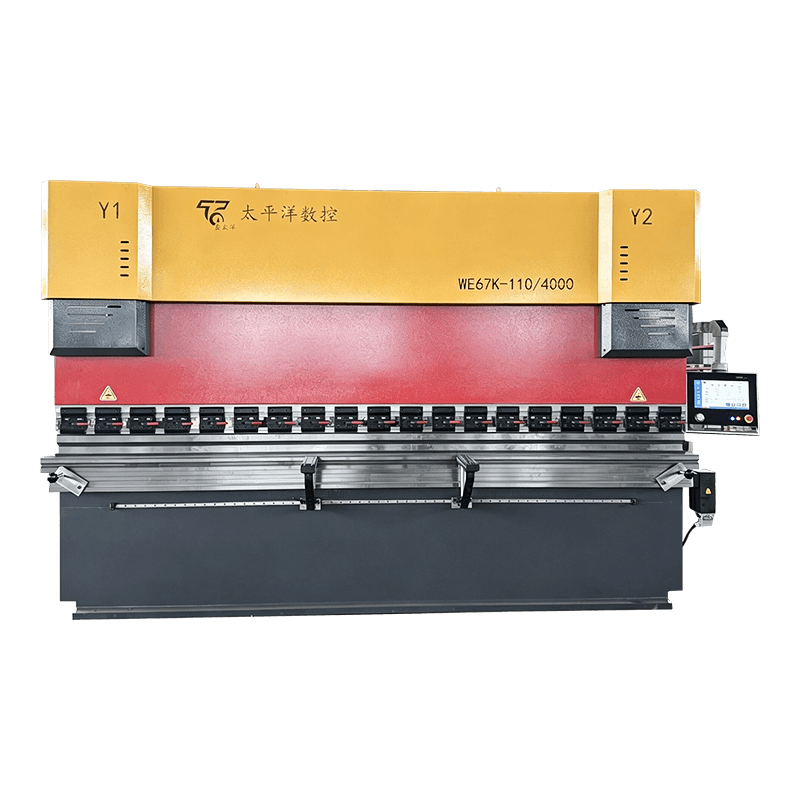
A CNC bending machine — almost always driven by a hydraulic or electro-hydraulic system at its core — adds a computer numerical control system that automates ram depth, back-gauge position, bending sequence, and often tool selection. The operator programs a part through a graphical interface or imports a CAD file, and the machine executes multi-step bend sequences automatically with angular repeatability typically within ±0.1° to ±0.5° across a full production run.
Modern CNC press brakes feature multi-axis back-gauge systems (commonly 4 to 6 axes), automatic crowning to compensate for beam deflection across the full working width, and offline programming software that allows engineers to program new parts without taking the machine offline. These capabilities reduce setup time dramatically — from hours to minutes for complex parts — and eliminate the operator skill dependency that limits conventional hydraulic machine output.
The table below compares both machine types across the parameters that most directly affect fabrication shop productivity, part quality, and operational cost.
| Parameter | Hydraulic Bending Machine | CNC Bending Machine |
|---|---|---|
| Bending Tonnage Range | 40–3,000+ tonnes | 40–1,000+ tonnes |
| Angular Repeatability | ±0.5°–±2° (operator dependent) | ±0.1°–±0.5° |
| Back-Gauge Axes | 1–2 axes (manual or basic servo) | 4–6 axes (automated) |
| Setup Time (complex part) | 60–180 minutes | 5–30 minutes |
| Operator Skill Requirement | High (experienced setter required) | Moderate (program-guided) |
| Multi-Step Bending Automation | Manual step-by-step | Fully automated sequence |
| Crowning System | Manual or mechanical | Automatic (CNC-controlled) |
| Suitable Production Volume | Low to high (simple profiles) | Medium to high (complex profiles) |
| Offline Programming | Not available | Available (CAD/CAM integration) |
| Maintenance Complexity | Lower (simpler hydraulic system) | Moderate (hydraulic + CNC electronics) |
For applications involving thick plate, structural steel, or large-format sheet metal, raw bending tonnage is the determining factor. Industrial Hydraulic Press Brake machines deliver bending forces that are difficult to match with any other technology, with heavy-duty units routinely producing 1,000 to 3,000 tonnes of bending force across working lengths of 4 to 12 meters.
The chart below shows the relationship between material thickness and required bending tonnage for mild steel sheet — a key reference for selecting machine capacity.
Required Bending Tonnage vs. Mild Steel Thickness (per 1 meter of bend length)
Approximate values for mild steel (yield strength ~250 MPa), V-die opening 8x material thickness; actual tonnage varies with material grade and die selection
For materials above 10mm in thickness, only a Hydraulic Metal Bending Machine with sufficient frame rigidity and hydraulic capacity can reliably deliver the required force. At these thicknesses, CNC control adds less marginal value since part complexity is typically lower and cycle times are longer regardless of automation level.
For sheet metal components requiring multiple bends, tight angular tolerances, or consistent output across hundreds or thousands of identical parts, CNC control delivers measurable, quantifiable advantages over manual hydraulic operation.
Consider a bracket with five bends, each requiring ±0.3° angular tolerance. On a manual hydraulic press brake, achieving this consistently requires an experienced operator making incremental adjustments between parts — with scrap rates that can reach 5–10% during setup and early production. On a CNC machine with angle measurement feedback, the same part runs at scrap rates below 1% from the second piece onward, because the machine self-corrects for material springback automatically.
The back-gauge system is the other critical advantage of CNC. A 6-axis CNC back gauge moves independently in X, R, Z1, and Z2 axes (and sometimes additional axes), allowing complex part profiles to be formed in sequence without manual repositioning between bends. On a manual Hydraulic Sheet Bending Equipment setup, each repositioning step requires the operator to measure, adjust, and verify — multiplying setup time and introducing positioning error.
Setup time is one of the most underestimated cost factors in sheet metal fabrication. The chart below illustrates how setup time requirements differ between machine types across varying levels of part complexity.
Average Setup Time by Part Complexity and Machine Type (minutes)
Indicative values; actual setup times vary by operator experience, tooling availability, and part design
For a shop running 10 job changeovers per day on complex profiles, switching from manual hydraulic to CNC operation can recover over 25 hours of productive machine time per week — time that translates directly into additional output capacity without adding headcount or machine hours.
Regardless of which type you select, these are the specifications with the greatest real-world impact on bending machine performance:
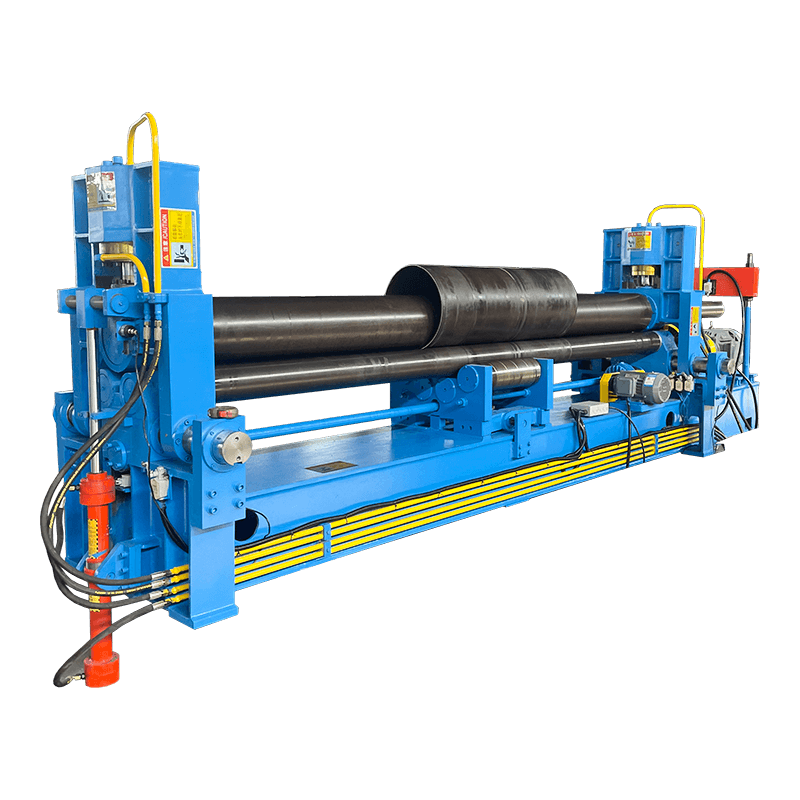
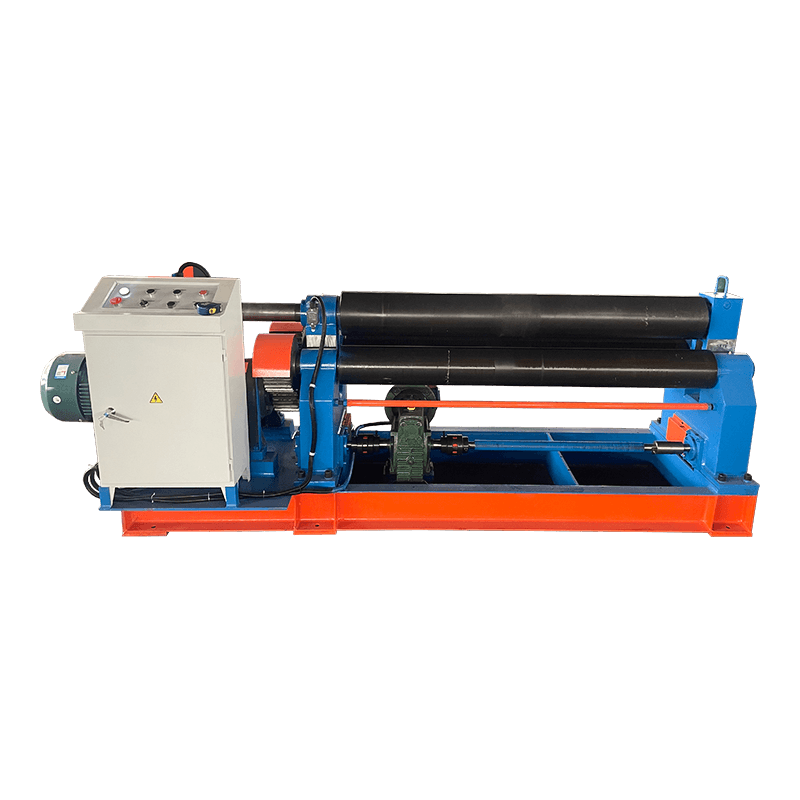
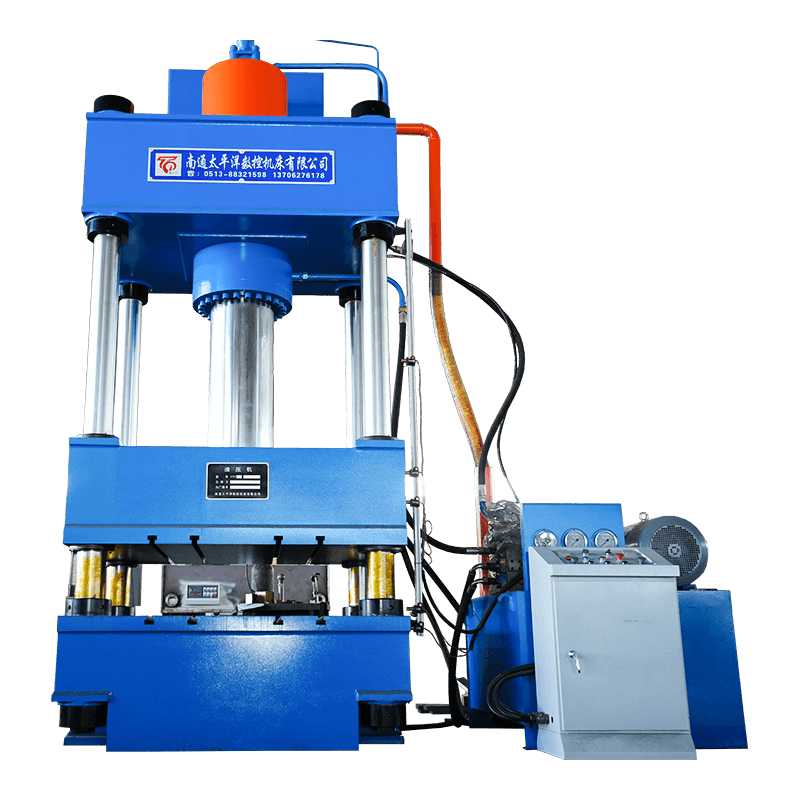
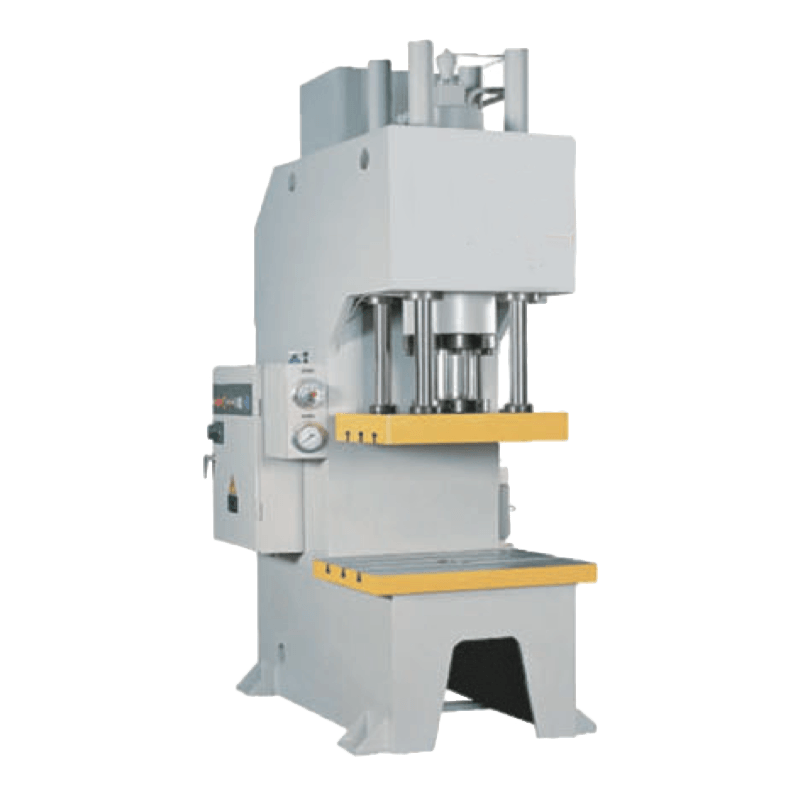
Nantong Pacific CNC Machine Tool Co., Ltd. is a key enterprise of the national machinery industry, located in Haian Economic and Technological Development Zone — an environment combining excellent infrastructure with convenient transport links that support efficient communication and service for customers worldwide. As a professional China Hydraulic Bending Machine supplier and manufacturer, the company specializes in the production of shearing machines, bending machines, rolling machines, hydraulic presses, punching machines, and related equipment, serving industries including light industry, aviation, shipbuilding, metallurgy, instrumentation, electrical appliances, stainless steel products, construction, and decoration.
The company covers an area of more than 20,000 square meters and maintains complete production and testing equipment, supported by a team of engineers and technicians with deep professional expertise. Nantong Pacific has the capability to design, develop, and manufacture both standard series products and non-standard custom equipment, with products distributed throughout China and exported in large quantities to Southeast Asia, Europe, the United States, and the Middle East.
Committed to ongoing research and innovation in forging machine tools, the company has established service branches in Beijing, Tianjin, Shenyang, Shandong, Zhejiang, Guangzhou, Shanghai, Hangzhou, Chengdu, Xi'an, and Jiangsu — each providing integrated pre-sale, in-sale, and after-sales support to ensure customers receive the highest level of service throughout the equipment lifecycle.
Q1: Can a hydraulic bending machine be upgraded to CNC control later?
A1: In many cases, yes. Retrofitting a hydraulic press brake with a CNC back-gauge system and a modern CNC controller is a common upgrade path. The feasibility and cost-effectiveness depend on the age and condition of the machine's hydraulic system, the frame geometry, and the availability of compatible retrofit kits. Machines with servo-hydraulic ram control systems are the strongest candidates for CNC upgrades. Consult the original manufacturer or a qualified retrofit specialist to assess your specific machine.
Q2: What is the typical hydraulic oil change interval for a hydraulic bending machine?
A2: Most manufacturers recommend changing hydraulic oil every 2,000 to 4,000 operating hours, or annually — whichever comes first — under normal operating conditions. In high-temperature environments or where the machine operates at maximum load for extended periods, more frequent oil sampling and analysis is advisable. Always use the hydraulic fluid grade specified by the manufacturer; substituting a different viscosity grade can affect pump performance and valve response characteristics.
Q3: How do I calculate the required bending tonnage for my application?
A3: The standard air-bending tonnage formula is: Tonnage = (C × t² × L) / V, where C is a material constant (approximately 1.42 for mild steel), t is material thickness in mm, L is the bend length in meters, and V is the V-die opening in mm (typically 8× material thickness for standard bends). For a 3mm mild steel sheet bent over 2 meters with a 24mm V-die: Tonnage = (1.42 × 9 × 2) / 24 ≈ 1.06 tonnes per meter × 2 meters = approximately 60 tonnes. Always add a safety margin and verify with the machine and tooling manufacturer for your specific material and die selection.
Q4: What is springback, and how do CNC bending machines compensate for it?
A4: Springback is the elastic recovery of metal after bending — the material springs back slightly toward its original shape when the bending force is released. The amount of springback varies by material type, thickness, temper, and die configuration, typically ranging from 1° to 5° for common sheet metals. CNC bending machines compensate for springback in two ways: through pre-programmed springback values stored in material libraries within the CNC controller, and through real-time angle measurement systems that measure the actual bend angle during the bending cycle and automatically adjust ram depth to hit the target angle within tolerance.
Q5: What safety features should a hydraulic bending machine include?
A5: Essential safety features on modern hydraulic and CNC bending machines include: a laser safety guard system or light curtain across the front of the tool zone that stops the ram immediately if the beam is interrupted; two-hand control requirement for ram activation to prevent single-hand operation near the tooling; emergency stop buttons accessible from multiple positions around the machine; and a slow-speed muting zone in the final approach to the material that limits ram speed to a safe level. For CNC machines, the control system should also include overload protection that halts the cycle if the force required exceeds the programmed limit for the selected tooling.
Related Products

Contact us
Factory Address
Xichang industrial Park, Chengdong Town, HaianCity, Nantong City, Jiangsu Province, China
Phone
+86-13906278466
products
QR CODE

 English
 русский
 عربى
عربى