Apr 30, 2026
The answer is clear: a hydraulic plate rolling machine is significantly more efficient than a manual one — in most production environments, the productivity gap reaches 60–75%. Manual machines depend entirely on operator strength and skill, limiting the thickness and volume of steel they can handle. Hydraulic systems deliver consistent, programmable force that manual setups simply cannot match. This article breaks down exactly where that efficiency gap comes from, which machine type suits which application, and what to look for when selecting a plate rolling machine for your operation.
Content
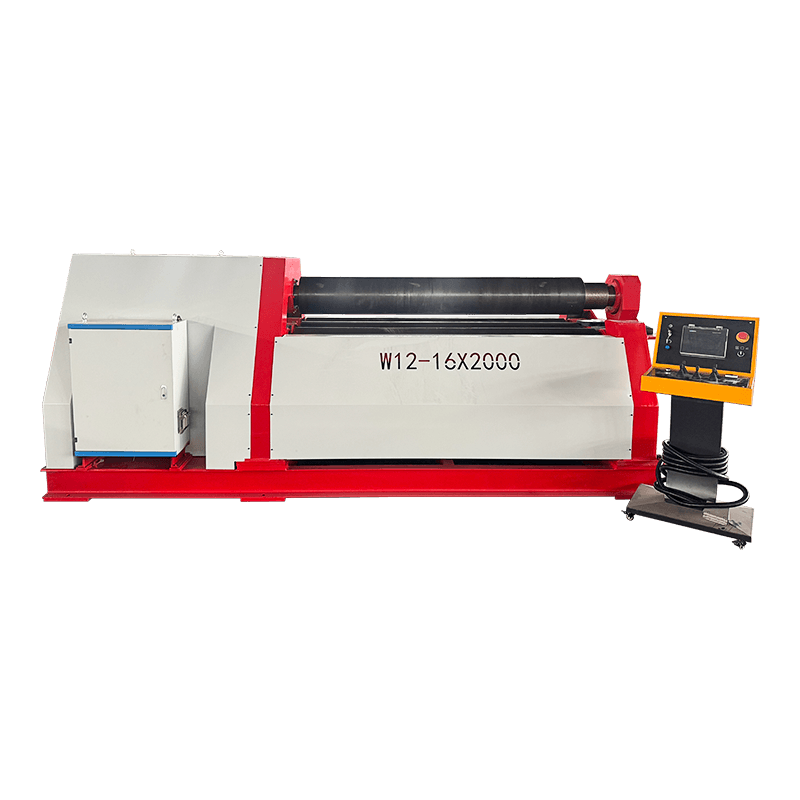
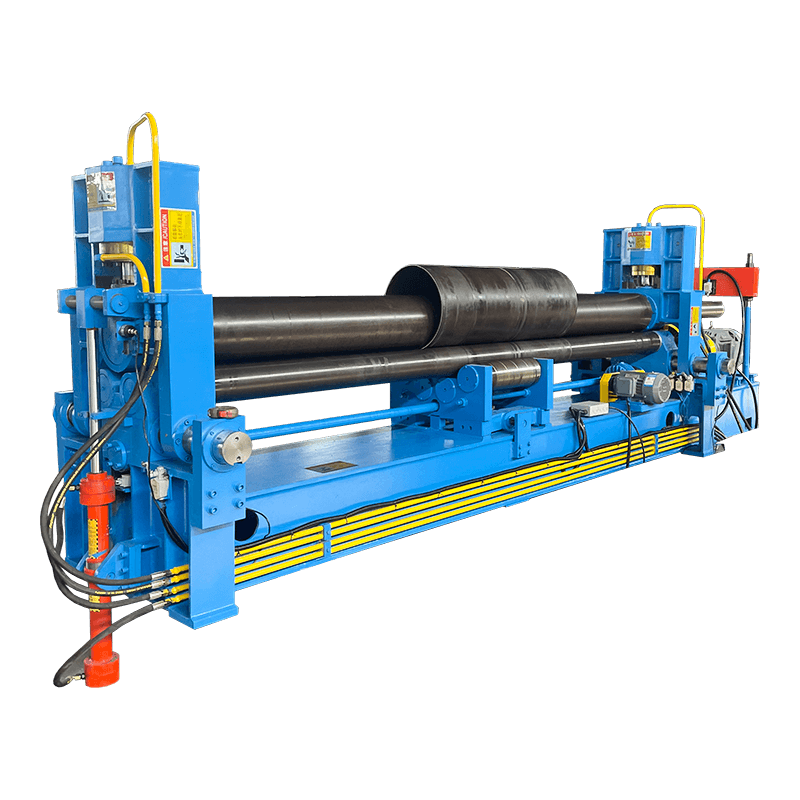
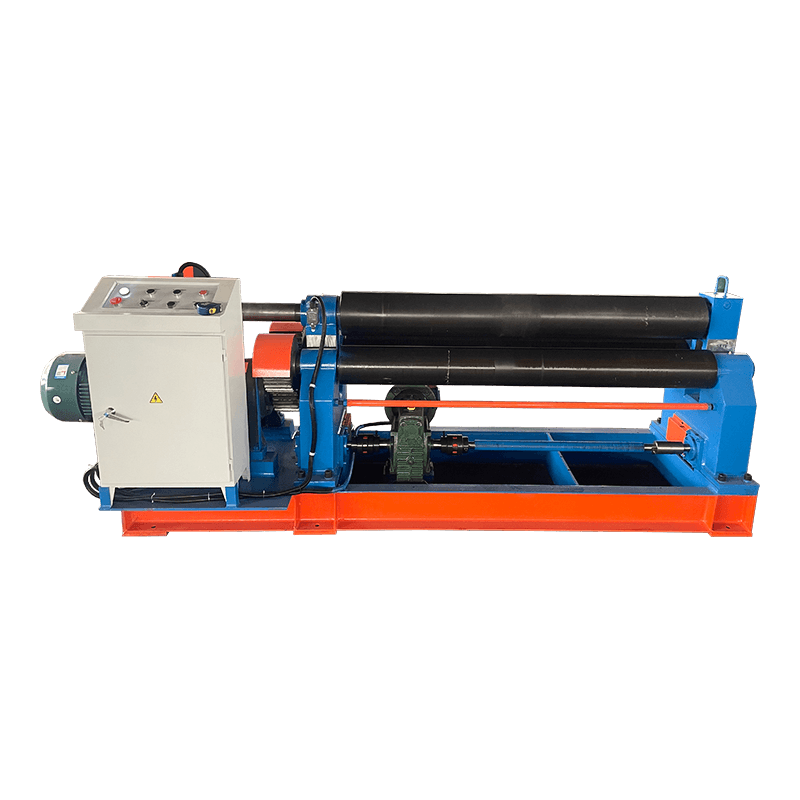
A plate rolling machine — also called a plate bending machine or roll bending machine — uses a set of rollers to curve flat metal sheet or plate into cylindrical, conical, or curved forms. The workpiece passes between rollers that apply controlled pressure, gradually forming the material into the required shape.
Plate rolling machines are widely used in shipbuilding, pressure vessel fabrication, construction equipment, pipeline manufacturing, and aerospace. The core difference between machine types lies in how that bending force is generated and controlled:
The 60–75% efficiency advantage of hydraulic machines over manual ones is not just about speed. It comes from three compounding factors:
A manual steel plate rolling machine is typically limited to plates under 6mm thick and widths below 1,500mm. An equivalent hydraulic machine can handle plates up to 50mm thick and 6,000mm wide without operator fatigue affecting output. In high-volume production, a hydraulic machine can complete 3–5 rolling passes per cycle where a manual machine requires operator repositioning and effort between each pass.
Manual rolling is inherently variable. Operators must judge pressure and positioning by feel, which leads to inconsistent radius results — especially over long production runs. Hydraulic systems maintain constant roller pressure throughout the entire bend. Rework rates on hydraulic machines are typically 30–40% lower than on comparable manual setups, reducing both material waste and labor cost.
Manual rolling of medium-gauge plate is physically demanding. As operator fatigue increases over a shift, accuracy decreases. Hydraulic and automatic plate rolling machines eliminate this variable entirely — the machine delivers the same force and precision in hour eight as it does in hour one.
| Feature | Manual | Hydraulic | CNC / Automatic |
|---|---|---|---|
| Max Plate Thickness | Up to 6mm | Up to 50mm+ | Up to 100mm+ |
| Productivity vs Manual | Baseline | +60–75% | +90–120% |
| Radius Repeatability | Operator-dependent | High | Very High (±0.1mm) |
| Setup Time per Job | 15–30 min | 5–15 min | <5 min (recalled program) |
| Operator Skill Required | High | Medium | Low to Medium |
| Best Application | Light, low-volume work | Mid to heavy production | High-volume, precision parts |
A hydraulic plate rolling machine is typically the optimal investment when one or more of the following conditions apply:
For lighter fabrication shops producing thin-gauge decorative or architectural metalwork in small batches, a manual machine may still be adequate. But any operation targeting volume production or structural applications will quickly encounter the ceiling of what manual rolling can deliver.
A CNC plate rolling machine takes hydraulic control further by integrating a numerical controller that governs roller position, bending angle, rolling speed, and pass sequences. Operators input job parameters once; the machine executes and repeats them exactly.
Key advantages of CNC and automatic plate rolling machines include:
For industries like shipbuilding and energy infrastructure, where a single flawed roll can result in thousands of dollars of wasted material, the precision of CNC rolling is not a luxury — it is a requirement.
A heavy duty plate rolling machine is designed for continuous operation on thick, high-tensile steel. Key engineering differences that define heavy-duty capability include:
Before purchasing a steel plate rolling machine, evaluate these specifications against your actual production requirements:
| Specification | What to Check | Why It Matters |
|---|---|---|
| Max rolling thickness | At rated tensile strength (usually 250 MPa) | Rated capacity drops with higher-tensile steel |
| Max rolling width | Match to your widest workpiece | Undersized width creates bottlenecks |
| Minimum rolling diameter | Expressed as ratio to top roller diameter | Limits smallest cylinder you can form |
| Roller material and hardness | Alloy steel, HRC 52–58 preferred | Determines wear life and surface finish |
| Control system | Manual / hydraulic proportional / full CNC | Determines repeatability and changeover speed |
| Drop-end / tilting roller | Standard on most hydraulic models | Essential for extracting closed cylinders |
Nantong Pacific CNC Machine Tool Co., Ltd is a key enterprise of the national machinery industry, located in Haian Economic and Technological Development Zone — an area with excellent infrastructure and logistics connectivity that supports rapid communication between our team and customers worldwide.
As a professional China Steel Plate Rolling Machine supplier and Hydraulic plate rolling machine factory, Pacific specializes in the production of shearing machines, bending machines, rolling machines, hydraulic presses, punching machines, and related equipment. Our products serve industries including light manufacturing, aviation, shipbuilding, metallurgy, instrumentation, electrical appliances, stainless steel fabrication, and construction.
The company has the capability to design, develop, and manufacture both standard series products and custom non-standard equipment. We have established service branches in Beijing, Tianjin, Shenyang, Shandong, Zhejiang, Guangzhou, Shanghai, Hangzhou, Chengdu, Xi'an, and Jiangsu — providing complete pre-sale, in-sale, and after-sales support across China and internationally.
In today's world full of hope and opportunities, Pacific Machine Tools and our customers go hand in hand for common development.
Related Products

Contact us
Factory Address
Xichang industrial Park, Chengdong Town, HaianCity, Nantong City, Jiangsu Province, China
Phone
+86-13906278466
products
QR CODE

 English
 русский
 عربى
عربى