May 14, 2026
Quick Answer
Yes — a hydraulic bending machine is decisively better than manual bending for most industrial applications, delivering efficiency gains of 60–90% in measurable cycle time, output consistency, and operator fatigue reduction. Manual bending can process roughly 40–80 simple bends per hour depending on material gauge; a hydraulic sheet metal bending machine operating at standard production speed handles 200–400 bends per hour with consistent angular accuracy of ±0.5°. For medium-to-heavy gauge materials above 3 mm, manual bending becomes physically impractical and dimensional consistency collapses — making hydraulic equipment not just more efficient, but the only viable option at scale.
Content
The efficiency comparison between a hydraulic bending machine and manual bending is not simply about speed. It spans five measurable dimensions: output rate, angular repeatability, material thickness range, operator effort, and total reject rate. When all five are considered together, the compound advantage of hydraulic equipment reaches or exceeds 90% in high-volume production environments.
Consider a steel fabrication shop producing 1,000 bracket components per shift, each requiring three 90° bends in 4 mm mild steel plate. With manual tooling, this task is physically beyond most operators without mechanical assistance and would require multiple setups and constant angle verification. A standard hydraulic sheet metal bending machine with a back gauge completes the same task in a single setup, maintaining ±0.5° angular accuracy across all 3,000 bends with no measurable operator fatigue effect on output quality.
Hydraulic vs. Manual Bending: Key Performance Metrics
Bends per Hour (3 mm mild steel)
Angular Repeatability
Material Thickness Capability
Reject / Rework Rate
The performance gap is rooted in fundamental engineering. A metal plate bending machine hydraulic system uses pressurized oil — typically at 180–250 bar — to drive a ram or beam with controlled, consistent force across the full length of the tooling. This force is programmable, repeatable, and completely independent of operator strength or fatigue. Manual bending relies entirely on human mechanical leverage, which is variable, exhausting, and physically limited in the force it can deliver.
A standard 100-ton hydraulic press brake generates approximately 1,000 kN of bending force — more than 50 times what a skilled operator can apply manually. This enables consistent bending of 6–12 mm structural steel that is completely beyond manual methods.
Motorized back gauges position the workpiece to ±0.1 mm accuracy for every bend in a multi-step sequence — automatically. The operator places the sheet; the machine positions it. Manual bending requires the operator to measure and reposition for every single bend, multiplying handling time and error rate.
Hydraulic cylinders control ram travel to within 0.01 mm, directly controlling the bend angle through precise die penetration depth. This is how ±0.5° angular repeatability is maintained across thousands of parts without manual re-gauging or test bends between setups.
When a CNC hydraulic press brake machine is used, these capabilities are further extended with programmable multi-step bend sequences, automatic tool compensation for material springback, and stored programs for recurring part families — eliminating setup time almost entirely for repeat jobs. A CNC-controlled hydraulic system can switch between two different 10-bend part programs in under 3 minutes, where a manual operation change of similar scope could take 30–60 minutes of layout and test bending.
A fair comparison acknowledges that manual bending retains a niche. For very light-gauge sheet metal prototyping (under 1.5 mm aluminum or thin stainless), simple one-off bends, or field repair work with no power access, hand-operated pan brakes or box-and-pan folders are practical and cost-effective. The economics and logistics of deploying a hydraulic machine are not always justified for a single part.
Beyond these narrow exceptions, however, the case for hydraulic equipment is clear:
| Scenario | Manual Bending | Hydraulic Bending Machine |
|---|---|---|
| Single one-off prototype, <1.5 mm sheet | Suitable | Overkill |
| 50+ identical parts, 2–6 mm steel | Impractical | Ideal |
| Structural steel plate >4 mm | Not feasible | Standard application |
| Multi-bend complex profiles | High error rate | CNC-programmed, repeatable |
| Industrial pipe bending | Limited to small OD | Full industrial capability |
| Stainless steel / high-strength alloys | Not practical | Routine production |
| Field repair, no power available | Only option | Not portable |
Hydraulic bending covers a family of machine types, each optimized for a different class of forming task. Selecting the right type is as important as the decision to go hydraulic in the first place.
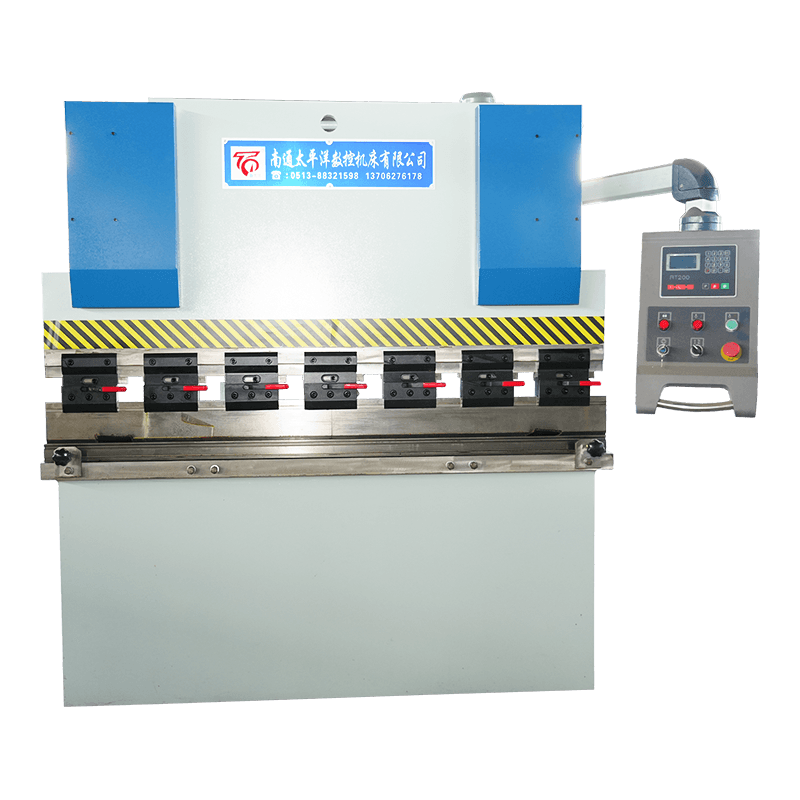
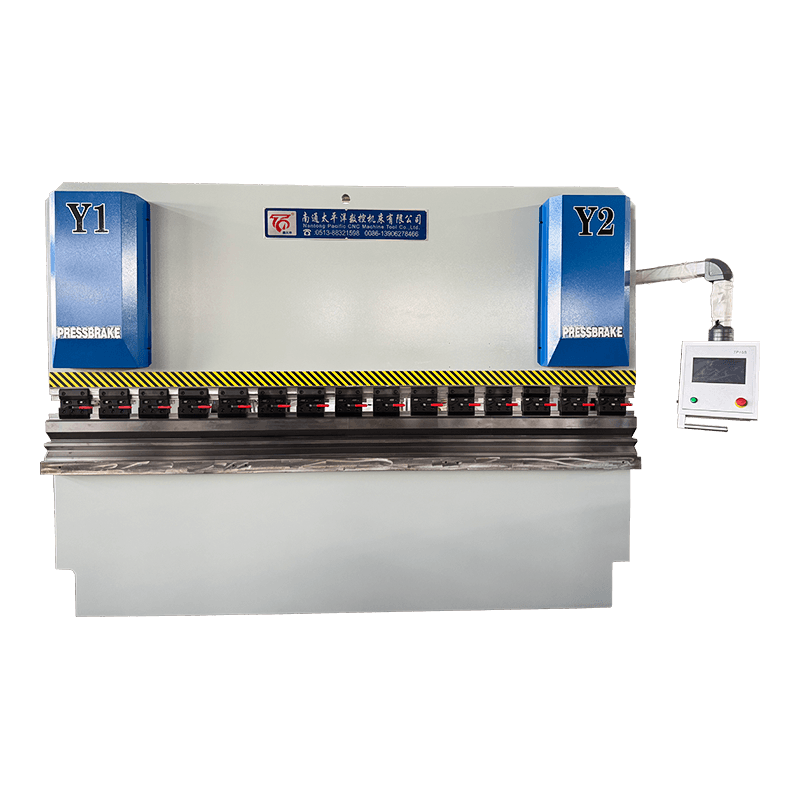
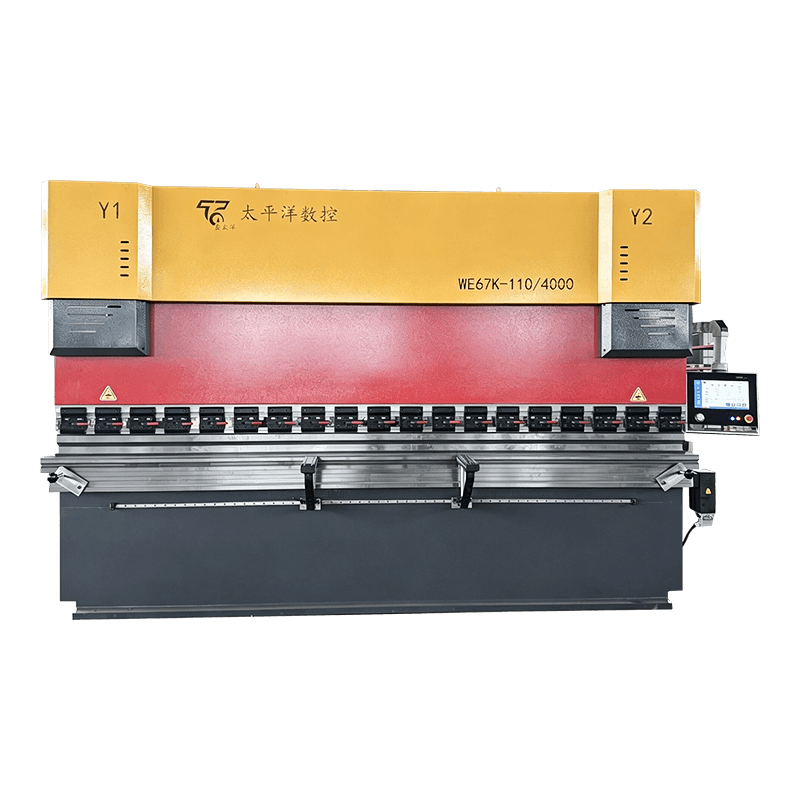
The most widely used type in fabrication shops. A hydraulic press brake uses a V-die and punch to air-bend or bottom-bend flat sheet or plate. Available in capacities from 40 to 1,000+ tons, covering everything from light enclosure work to heavy structural plate. CNC-controlled versions store multi-step programs and automatically adjust back gauge position between bends, achieving throughput of 200–500 bends per hour for standard parts. This is the backbone machine of any sheet metal fabrication operation.
An industrial pipe bending machine hydraulic system uses mandrel or rotary-draw bending to form tubes and pipes to precise radii without ovality or wall thinning. Applications span automotive exhaust systems, structural handrails, shipbuilding frameworks, HVAC ductwork connections, and oil and gas piping. Hydraulic pipe benders handle diameters from 20 mm to 300 mm+ and wall thicknesses that rule out any manual forming alternative. CNC versions allow multi-plane bending sequences in a single setup.
An automatic hydraulic metal forming machine integrates servo-hydraulic actuation with automated material feeding and part handling for high-volume production of formed metal components. These systems are common in automotive body part production, appliance housing fabrication, and construction component manufacturing. Cycle times per part drop to 8–15 seconds in fully automated cells, with consistent dimensional output that manual processes cannot approach.
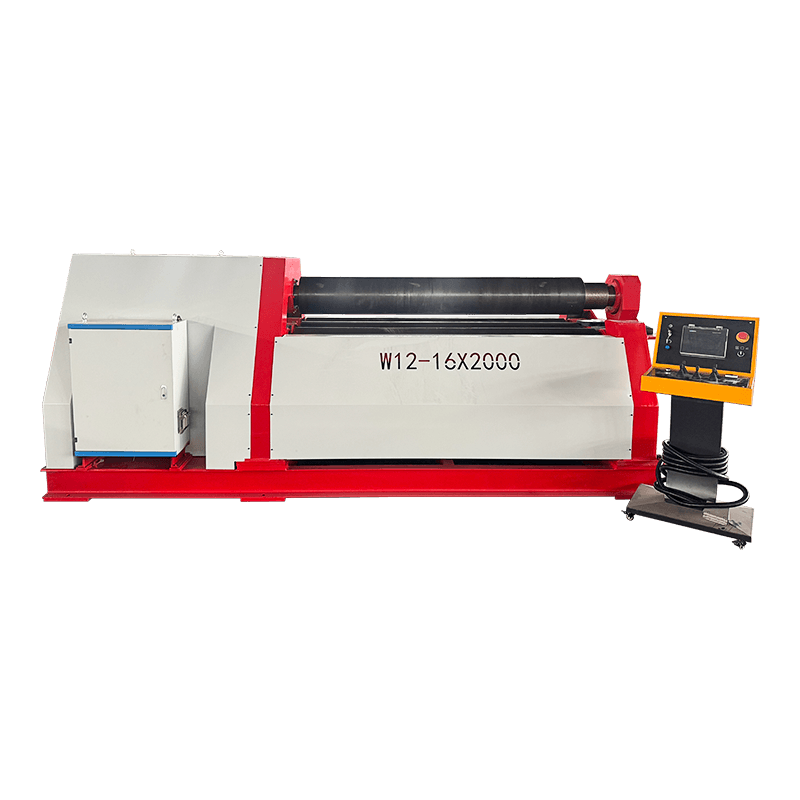
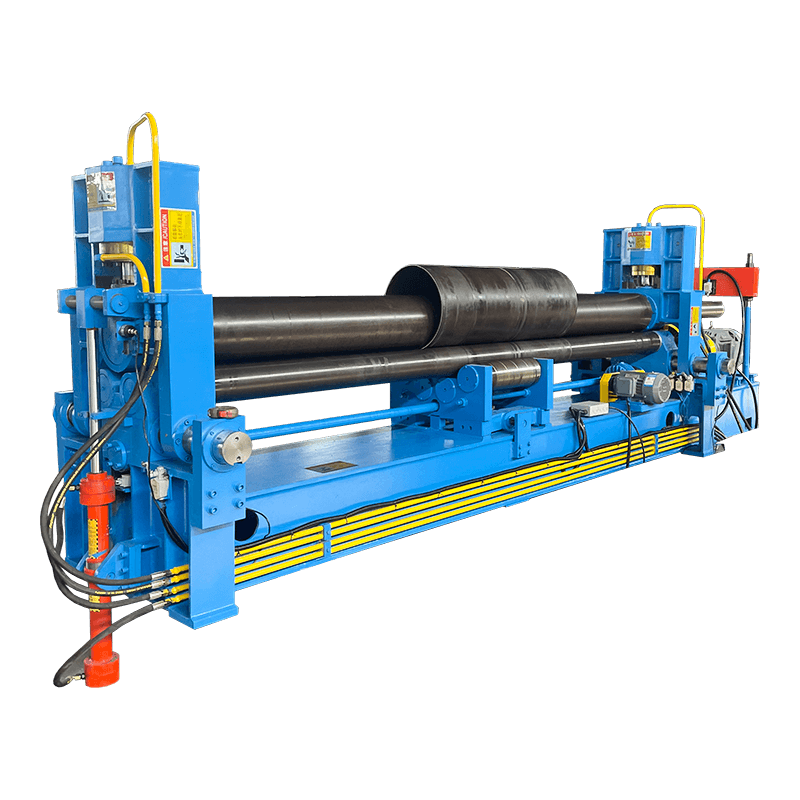
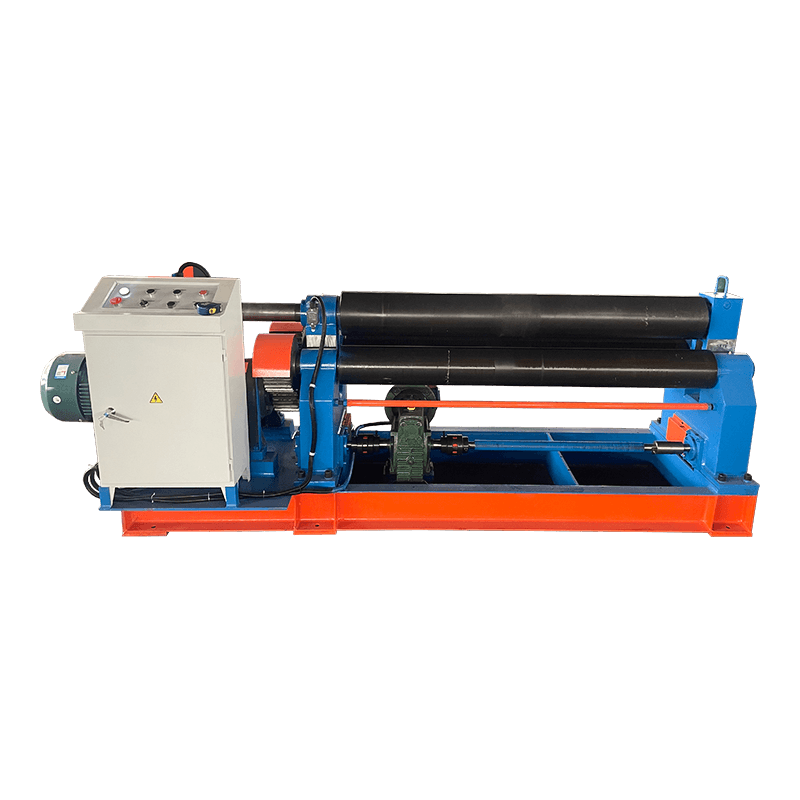
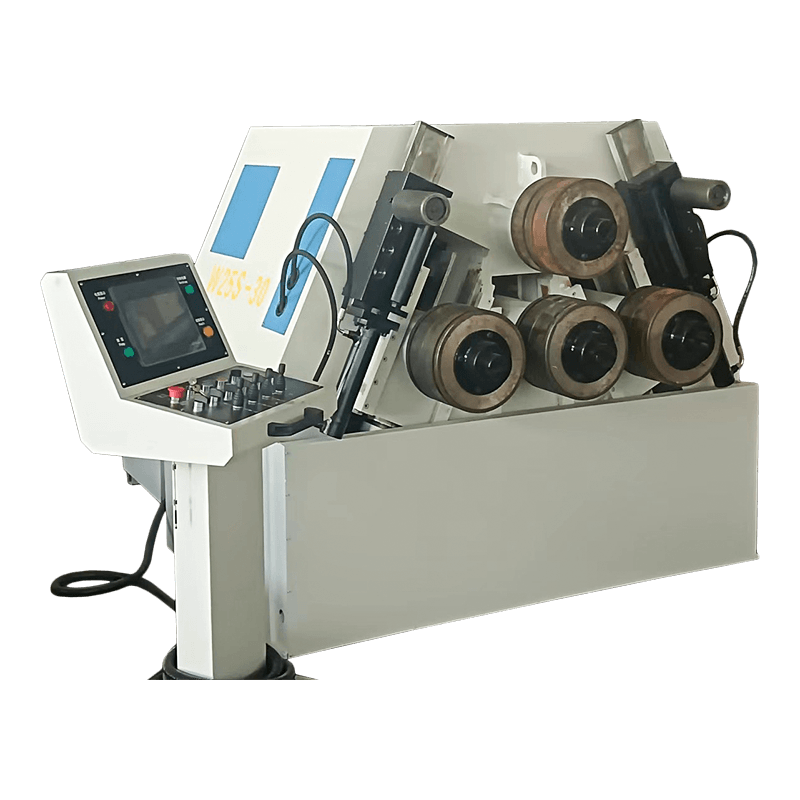
Rolling machines use three or four hydraulically driven rolls to form curved profiles from flat plate or structural sections. Used for vessel shells, tank bodies, curved architectural panels, and ring-rolled structural frames. Hydraulic roll adjustment enables precise radius control across wide plate widths — a forming operation with no practical manual equivalent for gauges above 2 mm.
One of the most common objections to hydraulic bending equipment is initial investment versus manual tooling. The ROI calculation, however, consistently resolves in favor of hydraulic equipment when production volumes exceed even modest thresholds. The key inputs are: labor cost per hour, rejection rate difference, tooling changeover time savings, and the value of consistent part quality in downstream assembly.
Cumulative Good Parts Output per Shift — Hydraulic vs. Manual
A fabrication shop producing 280 good parts per 8-hour shift manually — at a typical labor cost of $25/hour including overheads — costs approximately $0.71 per part in labor alone. The same shop running a hydraulic bending machine at 1,900 good parts per shift reduces the per-part labor component to approximately $0.11. At 10,000 parts per month, that difference represents over $6,000 in monthly labor savings — a figure that typically covers equipment financing within the first year of operation for a standard hydraulic press brake installation.
Selecting a hydraulic sheet metal bending machine or pipe bending system requires matching machine capability to the specific material, geometry, and volume parameters of your production. The following checklist covers the critical selection factors:
Nantong Pacific CNC Machine Tool Co., Ltd. is a key enterprise in China's national machinery industry, located in the Haian Economic and Technological Development Zone — a well-connected industrial base that enables rapid and efficient communication with customers worldwide. As a professional China Hydraulic Bending Machine supplier and manufacturer, the company specializes in the full range of metal forming equipment including shearing machines, bending machines, rolling machines, hydraulic presses, and punching machines.
Pacific Machine Tool's products serve industries spanning light manufacturing, aviation, shipbuilding, metallurgy, instrumentation, electrical appliance production, stainless steel fabrication, and construction and decoration. The company has the full capability to design, develop, and manufacture both standard product series and non-standard custom equipment — a flexibility that sets it apart in serving complex, application-specific requirements.
With a facility covering more than 20,000 square meters and a team of engineers and technicians with deep practical expertise, Pacific Machine Tool maintains comprehensive production and testing capabilities in-house. Products are exported in large volumes to Southeast Asia, Europe, the United States, and the Middle East — supported by an extensive domestic service network spanning Beijing, Tianjin, Shenyang, Shandong, Zhejiang, Guangzhou, Shanghai, Hangzhou, Chengdu, Xi'an, and Jiangsu.
Pacific Machine Tool is committed to long-term partnership with its customers — providing pre-sale consultation, in-process support, and comprehensive after-sales service through its branch network, so every machine investment delivers its full productive value throughout its operational life.
Related Products

Contact us
Factory Address
Xichang industrial Park, Chengdong Town, HaianCity, Nantong City, Jiangsu Province, China
Phone
+86-13906278466
products
QR CODE

 English
 русский
 عربى
عربى