Aug 20, 2026
18 gauge copper sheet is a standard metal thickness that sits right in the sweet spot of formability and strength. It is thin enough to bend or roll into decorative shapes, yet thick enough to hold its profile in roofing, electrical components, and architectural metalwork. Understanding its real dimensions, tolerance, and behavior is the first step to avoiding wasted material and inconsistent parts.
Content
18 gauge copper sheet has a nominal thickness of 0.0403 inches, or about 1.024 mm. This value is based on the standard U.S. sheet metal gauge system, where a lower gauge number means a thicker sheet. Unlike steel gauge, copper has its own gauge table, so 18-gauge copper is not the same thickness as 18-gauge steel.
| Gauge | Thickness (in) | Thickness (mm) |
|---|---|---|
| 10 | 0.1020 | 2.588 |
| 12 | 0.0808 | 2.052 |
| 14 | 0.0641 | 1.628 |
| 16 | 0.0508 | 1.291 |
| 18 | 0.0403 | 1.024 |
| 20 | 0.0320 | 0.812 |
| 22 | 0.0253 | 0.644 |
| 24 | 0.0201 | 0.511 |
Fabricators often choose 18 gauge when they need a sheet that is heavier than decorative copper foil but still light enough for standard power shears and press brakes.
18 gauge copper combines corrosion resistance, electrical conductivity, and a visual warmth that few other metals offer. The approximately 1 mm thickness gives enough body to resist denting, while still allowing tight bends with standard tooling. Common uses include:
Because copper is naturally soft, 18 gauge sheet can be formed on the same types of machines used for steel, provided the operator adjusts for lower power requirements and greater springback.
At 1 mm thick, you can cut 18 gauge copper with hand shears, but the edge quality and straightness depend heavily on operator skill. For any repetitive work or long straight cuts, a sheet metal shear produces cleaner, squarer edges with less distortion. Copper is softer than steel, so the blade clearance needs to be adjusted correctly. To understand why machine shearing beats hand cutting for straight edges, read this guide to improving cutting efficiency with plate shearing machines.
Look for a shear with a cutting length that matches your sheet size. A hydraulic swing-beam shear can handle 18 gauge copper without vibration and with enough power for harder tempers. For production work, a CNC hydraulic swing-beam shearing machine provides programmable back gauges and consistent repeatability across a full batch.
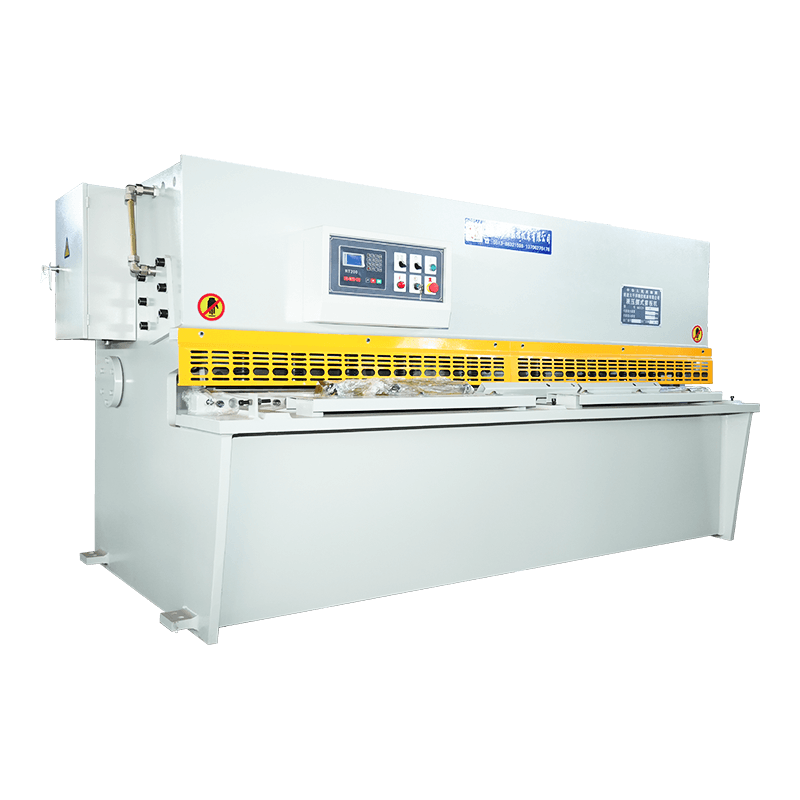 CNC Standard Hydraulic Swing Beam Shearing Machine SuppliersNantong Pacific CNC Machine Tool Co., Ltd is China custom qc12y/k series CNC standard/hydraulic swing beam shearing machine suppliers and...View Product →
Copper has a lower yield strength than steel, but it also has a strong tendency to work-harden. You can form 18 gauge sheet around a simple brake, but the bend radius should be at least half the material thickness to avoid cracking. Allowing a small overbend compensates for springback, since 18 gauge copper tends to relax open slightly after releasing the pressure.
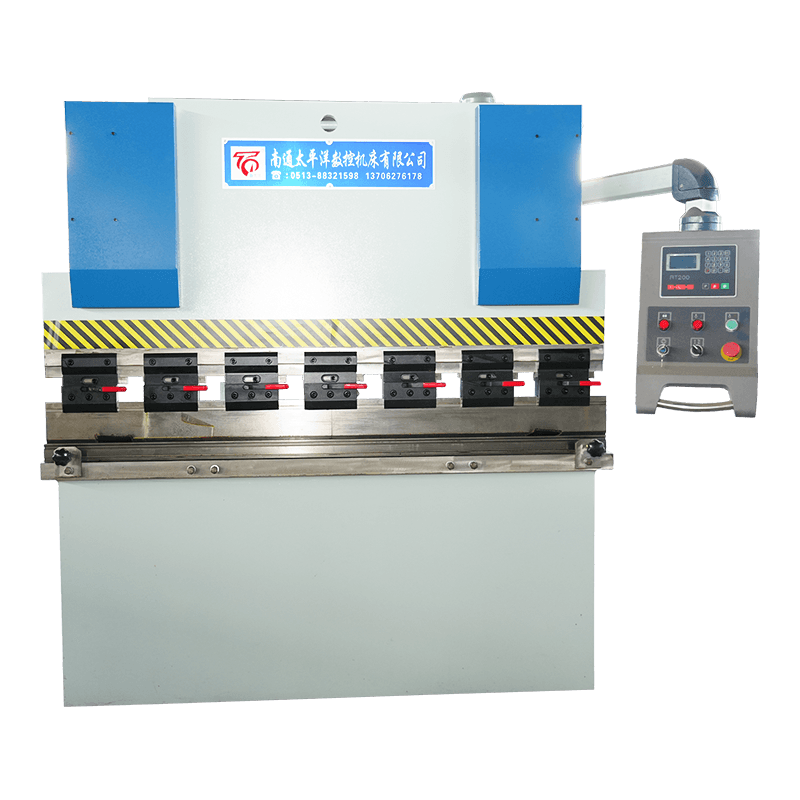
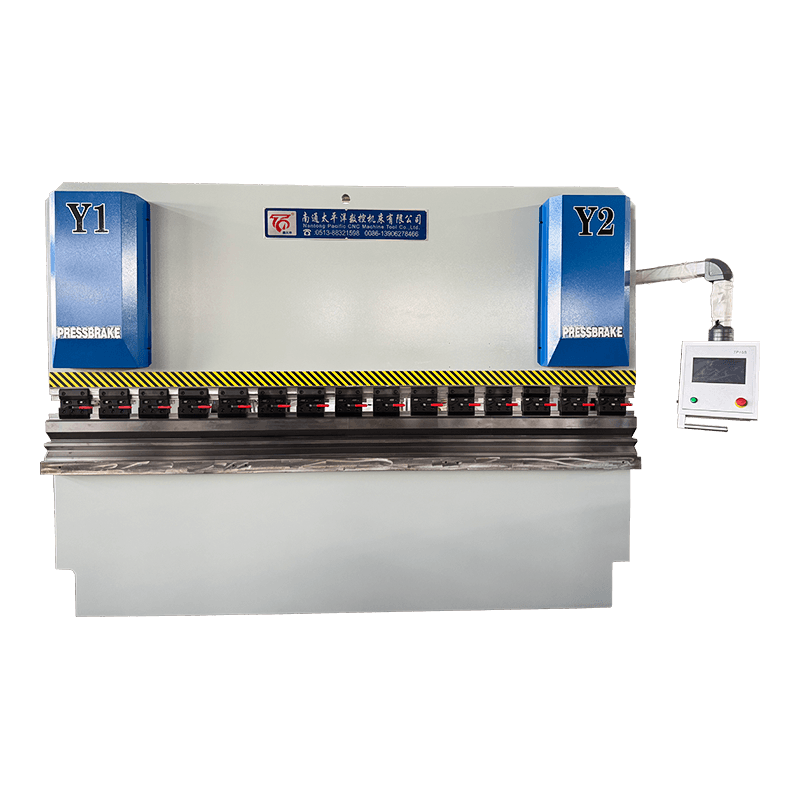
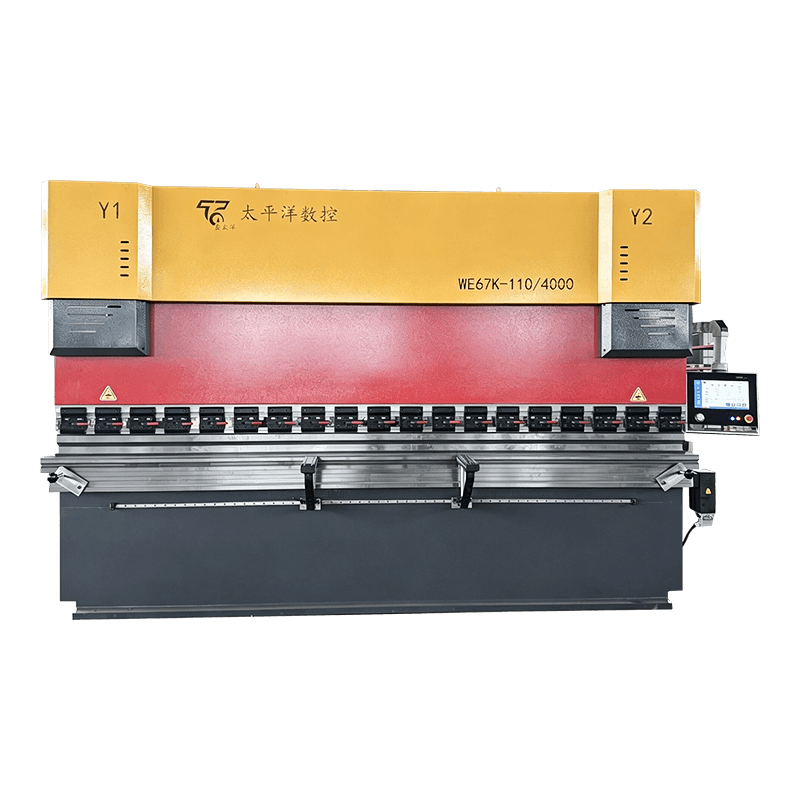
Manual bending works for one-off pieces. For production runs or parts with multiple bends, a press brake with a back gauge gives consistent angles and protects the surface with polyurethane or nylon pads. A torsion-axis CNC hydraulic bending machine is well suited for 18 gauge copper because it applies uniform force across the whole work length and holds programmed angles part after part. For a deeper comparison, our article on hydraulic and CNC bending machines covers the trade-offs.
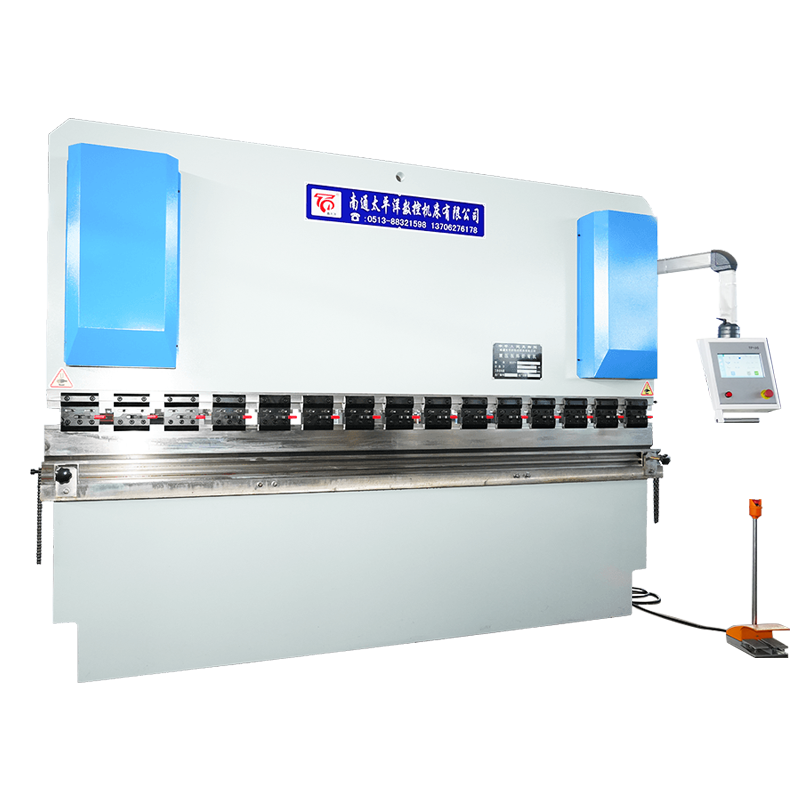 Torsion Axis Synchronous CNC Hydraulic Sheet Metal Bending Machine ManufacturersNantong Pacific CNC Machine Tool Co., Ltd is China custom wc67k series torsion axis synchronous CNC hydraulic sheet metal bending machine...View Product →
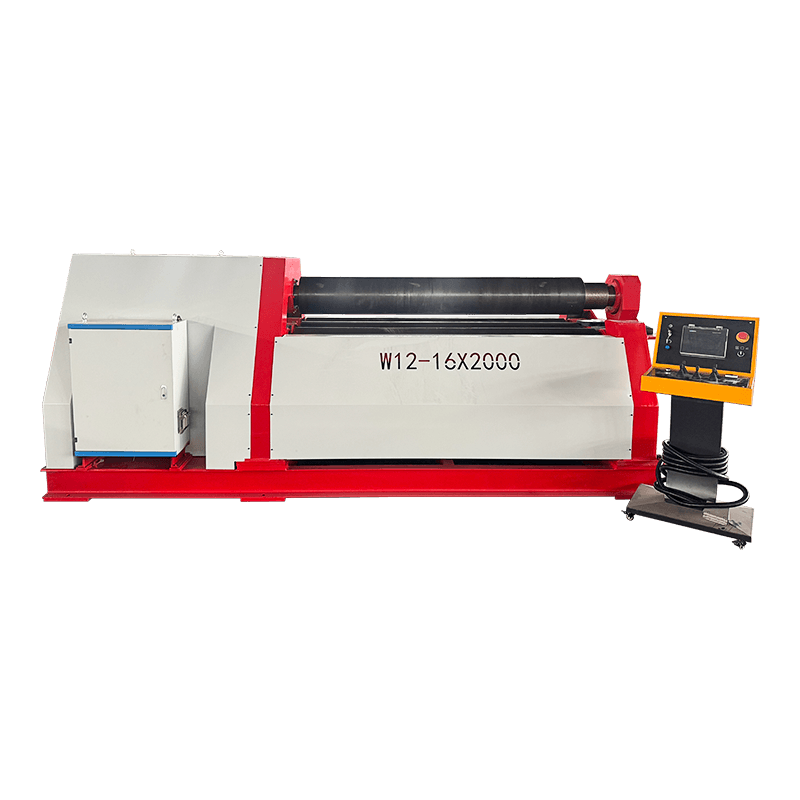
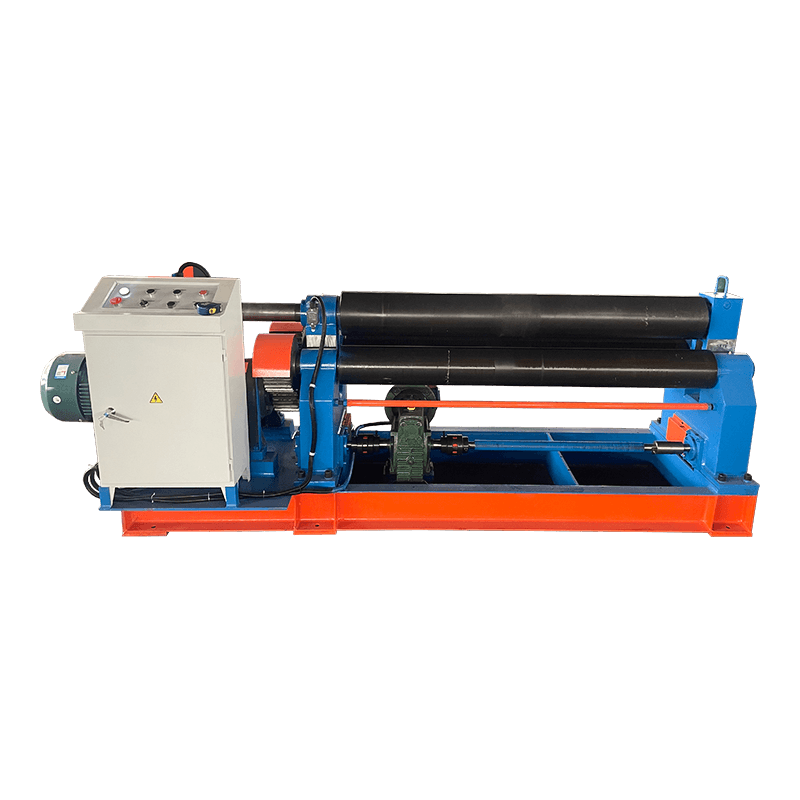
When you need a continuous arc, cylinder, or cone, a plate rolling machine is the right tool. 18 gauge copper can be rolled into a round duct or decorative column, but the machine must have adjustable roll pressure to prevent distorting the soft material. A three-roller universal hydraulic rolling machine gives the operator fine control over roll spacing and pre-bending, which is essential for producing a true radius without flat spots. When production volumes rise, you can see how plate rolling machines boost metal fabrication throughput.
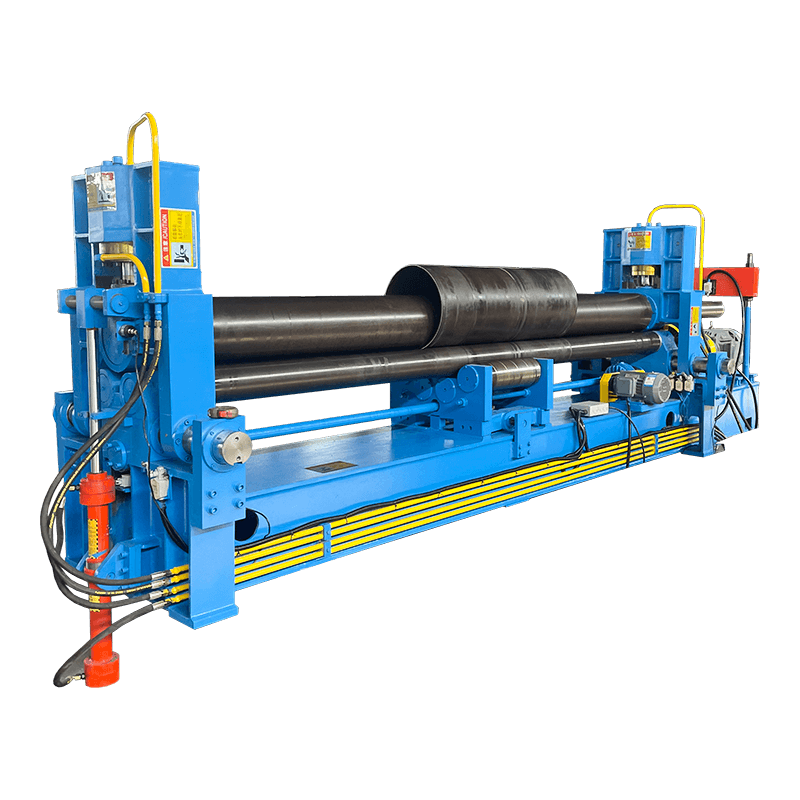 3-Roller Universal Hydraulic Rolling Machine Suppliers, CompanyNantong Pacific CNC Machine Tool Co., Ltd is China custom W11s series 3-roller universal hydraulic rolling machine suppliers and company,...View Product →
| Operation | Recommended machine type | Key parameter to verify |
|---|---|---|
| Straight cutting | Hydraulic swing-beam shear | Cutting length ≥ sheet width; blade clearance about 0.03–0.05 mm |
| Angle bending | Hydraulic or CNC press brake | Bending force needed for 1.0 mm copper over the full bed length |
| Cylinder rolling | 3-roller hydraulic plate rolling machine | Roll length and pre-bending capacity for the required diameter |
When you evaluate equipment, start with the material thickness, sheet size, and bend geometry. 18 gauge copper is forgiving, but the machine must be rigid enough to hold tight tolerances across the full working length. For thin copper, the main consideration is not power but control—variable speed, adjustable clamping, and enough rigidity to prevent vibrations from marking the surface.
18 gauge copper sheet is about 1.024 mm thick, equivalent to 0.0403 inches in the standard copper gauge table.
Yes, for short bends and low volume. For straight, repeatable bends, use a sheet metal brake or press brake.
It is used for roofing flashing, gutters, electrical bus bars, decorative trim, countertops, and stamped copper parts.
Use a hydraulic shear with a sharp straight blade and a small clearance to avoid burrs and edge distortion.
A hydraulic swing-beam shear, a press brake, and a small plate rolling machine cover most cutting, bending, and rolling jobs.
Yes. Copper is softer, has more springback, and work-hardens quickly, so it needs lower bending force and tighter bend radius control.
Related Products

Contact us
Factory Address
Xichang industrial Park, Chengdong Town, HaianCity, Nantong City, Jiangsu Province, China
Phone
+86-13906278466
products
QR CODE

 English
 русский
 عربى
عربى